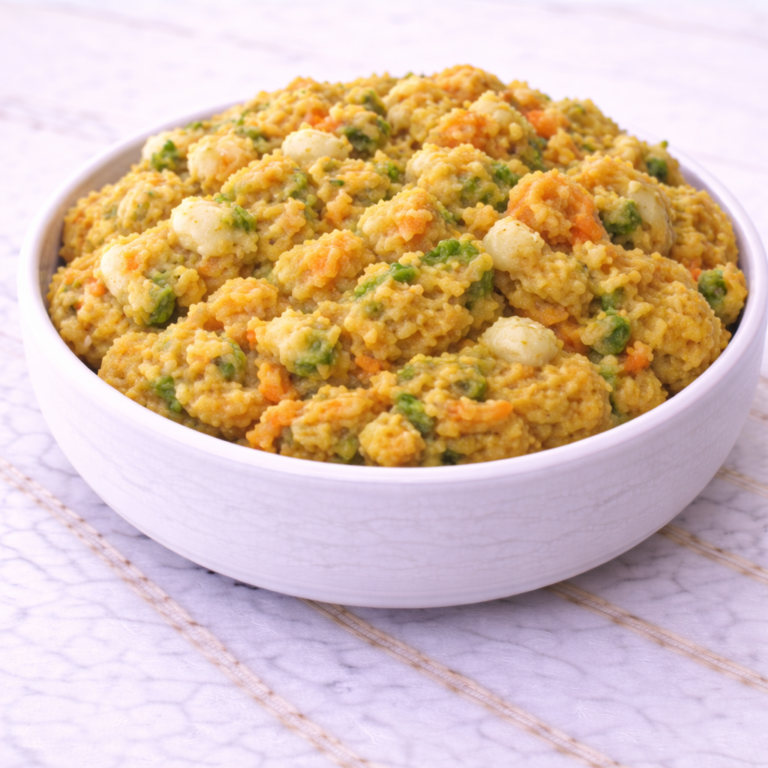
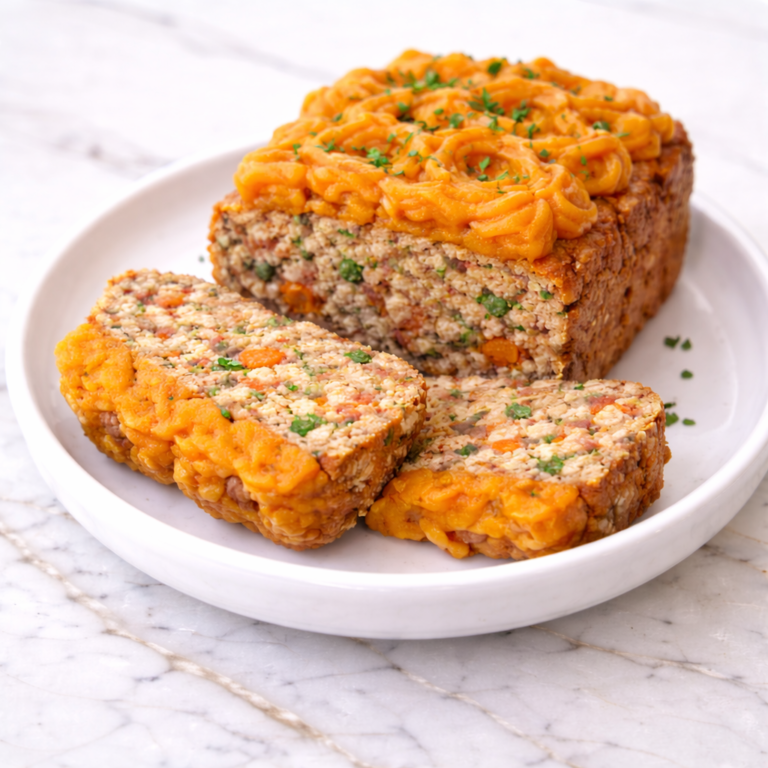
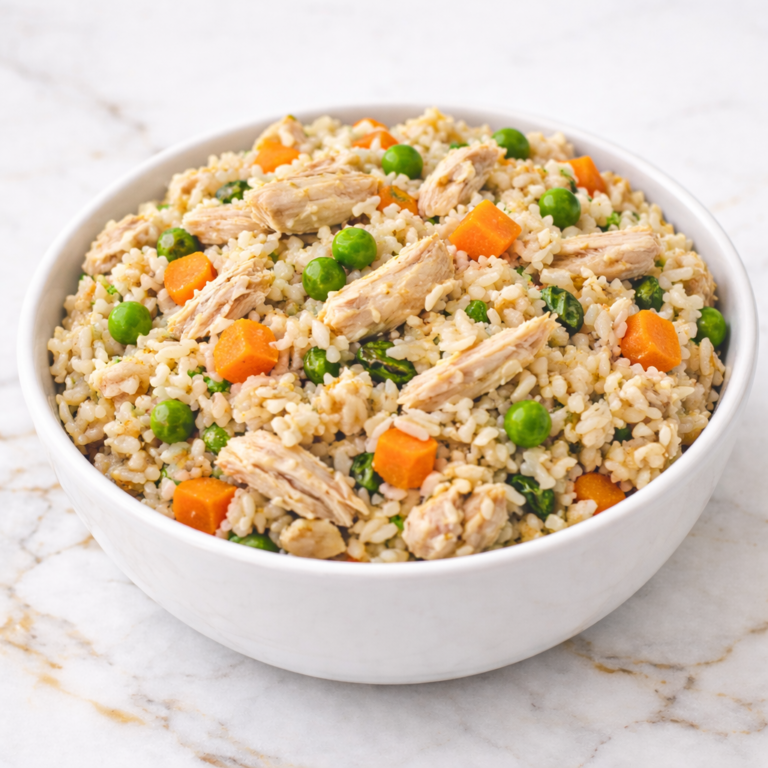
Preparing homemade raw food for dogs is a commitment that comes from wanting to be closely involved in your dog’s daily care.
Many dog owners explore raw feeding because it encourages them to slow down, learn about ingredients, and pay attention to how food supports their dog’s routine and energy.
Making meals at home can feel grounding and purposeful, especially when it becomes part of a weekly rhythm.
I began experimenting with homemade raw dog food after realizing how much comfort came from knowing exactly what was in my dog’s bowl.
Measuring ingredients, sourcing fresh proteins, and preparing meals ahead of time created a sense of connection that store-bought options never quite matched. It felt less like a task and more like a form of care.
Raw feeding can also fit naturally into everyday dog ownership when it is approached thoughtfully. Once you establish a system, the process becomes familiar and manageable. Many people find that batch preparation and proper storage make raw feeding feel sustainable over time.
This post brings together several homemade raw dog food recipes along with practical guidance. The goal is not perfection, but consistency, balance, and mindful preparation. These recipes are designed to be straightforward, adaptable, and easy to rotate.
Understanding Homemade Raw Dog Food
Homemade raw dog food typically focuses on uncooked ingredients that mirror simple, whole-food combinations. These often include raw proteins, small amounts of produce, and carefully selected additions. The emphasis is on freshness and minimal processing.
Many dog owners appreciate raw feeding because it encourages ingredient awareness. Preparing food at home means reading labels less and handling whole foods more. This can feel reassuring for people who prefer a hands-on approach.
Raw feeding also requires responsibility and routine. Clean preparation spaces, proper storage, and consistent portioning are essential. When these habits are in place, the process becomes more comfortable and predictable.
Why Some Owners Choose Raw Feeding
One reason people explore raw feeding is ingredient transparency. Knowing exactly which protein sources and produce are used can feel empowering. This awareness often leads to more confidence in daily feeding routines.
Another reason is flexibility. Homemade raw meals can be adjusted based on size, activity level, and preferences. This adaptability allows owners to respond to changes over time.
Raw feeding can also strengthen the bond between dog and owner. Preparing meals becomes another way of showing care and attention. For many, it feels like an extension of overall wellness-focused ownership.
Safety Considerations Before You Begin
Safety is a foundational part of preparing raw dog food at home. Clean surfaces, separate utensils, and proper handwashing are essential every time you prepare meals. Treat raw dog food preparation with the same care as raw meat for human consumption.
Ingredient sourcing matters as well. Choose fresh, high-quality proteins from reliable suppliers. Produce should be thoroughly washed and handled carefully.
Portion awareness is equally important. Raw food should be fed in moderation and balanced over time. Observing how your dog responds to new meals helps guide adjustments.
Chicken and Vegetable Raw Dog Food
This chicken-based recipe is a common starting point for many dog owners. The ingredients are simple, and the preparation process is straightforward. It works well as part of a rotation.
Ingredients
- 2 pounds raw chicken thighs, boneless
- 1 cup finely chopped carrots
- 1 cup finely chopped spinach
- 1 tablespoon olive oil
Preparation Method
Begin by setting up a clean preparation area with separate cutting boards. Chop the chicken into small, manageable pieces. This helps with even mixing and portioning.
Next, finely chop the carrots and spinach. Smaller pieces blend more evenly with the protein. Add all ingredients to a large mixing bowl.
Mix thoroughly until the vegetables and oil are evenly distributed. Portion the mixture into meal-sized containers. Store in the refrigerator or freezer based on your feeding schedule.
Beef and Pumpkin Raw Dog Food
This recipe offers a slightly richer flavor profile. Beef pairs well with pumpkin, creating a balanced texture. It is often appreciated by dogs who enjoy heartier meals.
Ingredients
- 2 pounds raw ground beef
- 1 cup pure pumpkin purée
- ½ cup finely chopped green beans
- 1 tablespoon flaxseed oil
Preparation Method
Place the ground beef into a large bowl. Break it apart gently to ensure even distribution. Add the pumpkin purée and green beans.
Drizzle in the flaxseed oil and mix until fully combined. The mixture should be moist but not runny. Divide into portions immediately.
Store portions in airtight containers. Refrigerate short-term servings and freeze extras for later use. Thaw slowly before feeding.
Turkey and Zucchini Raw Dog Food
Turkey is a lean protein that works well in rotation. Zucchini adds moisture without overpowering the flavor. This recipe is light and easy to prepare.
Ingredients
- 2 pounds raw ground turkey
- 1 cup finely grated zucchini
- ½ cup finely chopped parsley
- 1 tablespoon coconut oil
Preparation Method
Grate the zucchini and squeeze out excess moisture. This prevents the mixture from becoming watery. Place turkey in a mixing bowl.
Add the zucchini, parsley, and coconut oil. Mix gently until just combined. Overmixing is unnecessary and can affect texture.
Portion the mixture into individual servings. Store appropriately based on your feeding plan. Always thaw completely before serving.
Portioning and Feeding Guidelines
Portion size depends on your dog’s size, age, and activity level. Many owners feed raw food based on a percentage of body weight. Consistency is more important than precision.
Meals should be served at regular times. This helps establish routine and predictability. Observing your dog’s appetite can guide portion adjustments.
Always serve raw food in clean bowls. Remove uneaten portions after a reasonable time. This helps maintain cleanliness and freshness.
Transitioning to Raw Food
Transitioning should be gradual rather than sudden. Start by mixing small amounts of raw food with the current diet. Increase the raw portion slowly over time.
Monitoring stool consistency and energy levels is important during this phase. Small changes are normal, but significant issues indicate a need to slow down. Patience supports a smoother transition.
Every dog adjusts at a different pace. Respecting that timeline helps reduce stress for both dog and owner. Calm consistency often leads to better outcomes.
Storage and Meal Prep Strategies
Batch preparation saves time and reduces daily effort. Preparing several days’ worth of meals at once simplifies feeding routines. Freezing portions maintains freshness.
Use freezer-safe containers or bags labeled with dates. This organization prevents waste and confusion. Rotating older meals forward helps maintain quality.
Thaw meals in the refrigerator rather than at room temperature. This preserves texture and reduces risk. Avoid refreezing thawed portions.
Balancing Variety Over Time
Variety is achieved through rotation rather than mixing everything at once. Switching proteins every few weeks helps maintain interest. It also encourages balanced exposure to different ingredients.
Avoid making frequent daily changes. Consistency supports digestion and routine. Planned rotations offer structure without monotony.
Keeping a simple feeding log can be helpful. Noting preferences and reactions builds confidence over time. This record becomes a useful reference.
Common Mistakes to Avoid
One common mistake is rushing the transition. Moving too quickly can cause digestive upset. Gradual changes are always safer.
Another mistake is inconsistent preparation habits. Cleanliness and portion control matter every time. Skipping steps increases risk.
Overcomplicating recipes can also be an issue. Simple combinations are easier to manage. Complexity does not always equal better feeding.
Cost and Time Considerations
Homemade raw feeding requires an investment of both time and resources. Planning helps control costs and reduce waste. Buying in bulk often lowers expenses.
Time spent preparing meals decreases with routine. What feels time-consuming at first becomes familiar. Many owners find the effort manageable with practice.
Balancing convenience with care is key. The goal is sustainability rather than perfection. A realistic approach supports long-term success.
Frequently Asked Questions
Is homemade raw dog food safe
When prepared carefully with proper hygiene, it can be handled safely. Clean surfaces and fresh ingredients are essential. Consistent storage practices reduce risk.
How often should I rotate proteins
Many owners rotate proteins every two to four weeks. This allows dogs to adjust gradually. Sudden frequent changes are not recommended.
Can puppies eat raw food
Puppies have different nutritional needs. Raw feeding for puppies requires careful planning. Gradual introduction and portion awareness are important.
Do I need supplements
Some owners include supplements depending on their approach. This depends on overall balance and rotation. Keep additions simple and consistent.
How long can raw food stay in the fridge
Most raw meals can stay refrigerated for up to two days. Always check for odor or texture changes. Freezing extends shelf life significantly.
What if my dog refuses raw food
Some dogs need time to adjust. Gentle transitions and patience help. Avoid forcing changes too quickly.
Building Confidence With Homemade Raw Feeding
Confidence comes from repetition and observation. Each batch prepared builds familiarity with the process. Over time, it feels less like experimentation and more like routine.
Trust grows as you learn what works for your dog. Adjustments become easier and more intuitive. This confidence supports long-term consistency.
Homemade raw feeding is a personal choice. Approaching it with care and attention creates a positive experience. The process itself becomes part of responsible dog ownership.
Bringing It All Together
Homemade raw dog food recipes offer a hands-on way to engage with your dog’s daily nutrition. With thoughtful preparation, careful storage, and mindful feeding, the process can fit naturally into everyday life.
These recipes are meant to serve as a flexible foundation that you can adapt over time as you learn what works best for your dog.