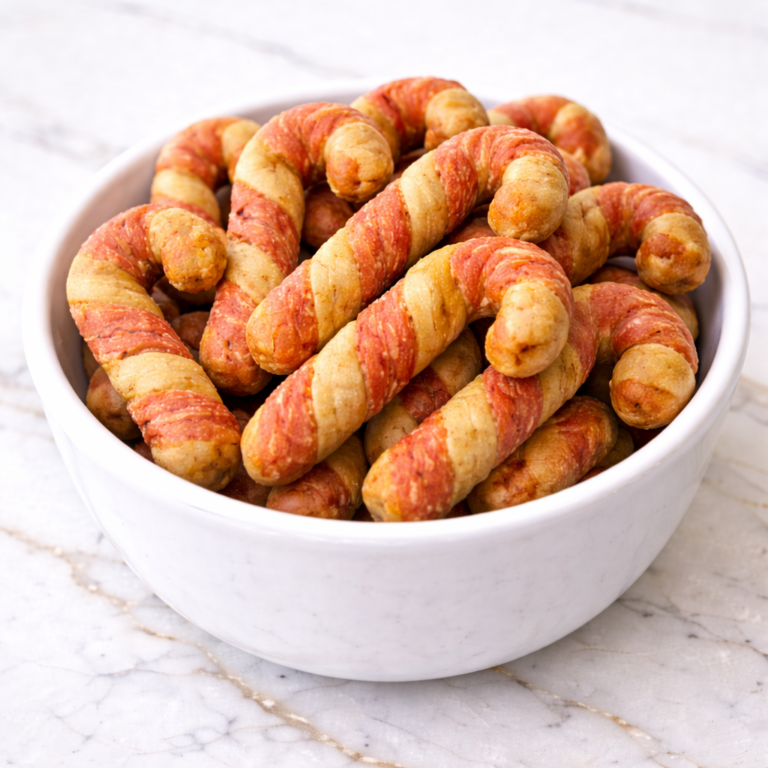
There is something especially grounding about using sourdough in a homemade dog treat recipe. When I make Homemade Sourdough Dog Treats, the process feels slow, familiar, and rooted in patience rather than speed. It is a recipe that naturally encourages you to take your time and enjoy the rhythm of preparation.
Sourdough discard often accumulates quietly in the refrigerator, waiting for a purpose. Turning it into dog treats feels practical and thoughtful, especially when you want to avoid waste while still making something intentional. These treats use discard in a simple way that fits neatly into everyday routines.
I usually make these sourdough dog treats on days when I am already working with my starter. The steps feel natural alongside other kitchen tasks, and the dough itself is easy to handle and forgiving. The result is a sturdy, mild biscuit that stores well and portions easily.
Homemade Sourdough Dog Treats fit naturally into a mindful approach to dog care. They are not about trends or novelty, but about using what you already have in a steady, purposeful way.
More than anything, this recipe reflects patience, consistency, and the quiet satisfaction of simple homemade preparation.
Why This Recipe Is Great for Your Dog
This recipe uses a short list of recognizable, dog-friendly ingredients prepared plainly. Sourdough discard adds structure and aroma without requiring added flavorings. Keeping ingredients minimal helps maintain clarity and consistency.
The texture of these treats is easy to control. They can be baked softer for easier chewing or baked longer for a firmer, crunchier biscuit. This flexibility allows you to adapt the treats to your dog’s size and chewing habits.
Preparation is straightforward and approachable. The dough is forgiving and easy to roll, even for those new to baking dog treats. Simple mixing and shaping keep the process relaxed.
Dogs often enjoy the mild, baked aroma that sourdough discard provides. The flavor is subtle rather than strong. This balance helps treats feel familiar and appropriate for regular routines.
Ingredients
- 2½ cups oat flour
- 1 cup sourdough discard (unfed, plain)
- 2 large eggs
- ¼ cup unsweetened applesauce
- ¼ cup water
Tools You’ll Need
- Mixing bowls
- Measuring cups
- Measuring spoons
- Fork or whisk
- Silicone spatula
- Rolling pin
- Cookie cutters or knife
- Baking sheet
- Parchment paper
- Cooling rack
Pro Tips
Use plain sourdough discard only. It should not contain salt, sugar, or flavorings. A simple flour-and-water starter works best for dog treats.
If your discard is very thick or very thin, expect to adjust liquid slightly. Sourdough consistency varies, and small adjustments help keep the dough workable.
If you do not have oat flour, you can make your own by blending rolled oats until finely ground. Homemade oat flour works well and keeps the ingredient list simple.
Roll the dough evenly to ensure consistent baking. Uneven thickness can cause some treats to overbake while others remain soft.
Allow treats to cool completely before storing. Cooling helps them firm up and prevents moisture buildup. Patience improves shelf life.
How Long This Recipe Takes
Preparation time for sourdough dog treats is calm and manageable. Mixing the dough and cutting shapes usually takes about thirty minutes. The process feels unhurried and easy to repeat.
Baking time typically ranges from twenty-five to thirty-five minutes depending on thickness and desired texture. Thinner treats bake faster than thicker ones. Checking near the end helps prevent overbaking.
Cooling time should always be included. Allow at least thirty minutes for treats to cool completely. From start to finish, plan for about one hour and forty minutes.
Make-Ahead Tips
These treats are well suited for make-ahead preparation. Baking a batch in advance ensures you always have homemade rewards ready. This supports consistency in daily routines.
Once cooled, treats can be stored in an airtight container at room temperature for short periods. Refrigeration extends freshness and is helpful in warmer environments.
Freezing is also suitable for long-term storage. Freeze treats in a single layer before transferring to containers. Thaw at room temperature before serving.
Avoid storing treats while they are still warm. Trapped heat can cause moisture buildup and shorten shelf life. Proper cooling protects quality.
Step-by-Step Instructions
Step 1: Preheat the Oven
Preheat your oven to 350°F (175°C). Line a baking sheet with parchment paper and set aside.
Step 2: Mix Wet Ingredients
In a large mixing bowl, combine the sourdough discard, eggs, applesauce, and water. Stir until smooth and evenly blended.
Step 3: Add Dry Ingredients
Gradually add the oat flour to the wet mixture. Stir gently until a thick, workable dough forms.
Step 4: Adjust Dough Consistency
If the dough feels too dry, add a small amount of water. If sticky, add a bit more oat flour. Adjust gradually and mix gently.
Step 5: Roll Out the Dough
Lightly dust a clean work surface with oat flour. Roll the dough to about one-quarter inch thickness for even baking.
Step 6: Cut the Treats
Use cookie cutters or a knife to cut the dough into shapes. Place treats on the prepared baking sheet with slight spacing.
Step 7: Bake
Bake for twenty-five to thirty-five minutes depending on desired texture. Treats should feel firm and lightly set when done.
Step 8: Cool Completely
Remove the treats from the oven and transfer them to a cooling rack. Allow them to cool completely before serving or storing.
Nutritional Notes for Dogs
These treats are intended as occasional rewards rather than daily food. They add variety without replacing balanced meals. Treats should always be given thoughtfully.
Sourdough discard contributes structure and aroma rather than nutrition. Oats and eggs help bind the dough and create texture. Portion size matters.
Every dog responds differently to new treats. Introduce sourdough treats gradually and observe tolerance. Adjust portion sizes as needed.
Ingredient Swaps and Variations
- Egg-free: Replace eggs with additional applesauce for a softer dough.
- Flour option: Use finely ground rolled oats instead of oat flour.
- Crunchier treats: Bake longer at a lower temperature to dry them out.
- Mini treats: Roll thinner and cut smaller shapes for training rewards.
- Texture change: Add a tablespoon of mashed banana for softer treats.
How to Serve Safely
Serve sourdough dog treats in portions appropriate for your dog’s size. Small dogs may need only one small piece. Larger dogs can enjoy more with moderation.
Always supervise during treat time. Observe how your dog handles the texture, especially if treats are crunchy. Break into smaller pieces if needed.
These treats work well for training, enrichment, or occasional rewards. They are not intended to replace meals. Treats should complement regular feeding.
Balance treat intake throughout the day. Avoid offering too many treats close together. Consistency supports healthy routines.
Common Mistakes to Avoid
Using sourdough discard that contains salt or added ingredients can make treats unsuitable. Always use plain discard only.
Adding too much liquid can make the dough difficult to roll. Adjust moisture slowly and mix gently.
Overbaking can create overly hard treats. Monitor closely toward the end of baking. Firm does not need to mean brittle.
Skipping cooling time can cause moisture buildup in storage. Always cool treats fully before storing. Patience improves shelf life.
Improper storage can shorten freshness. Use airtight containers and inspect treats before serving. Good habits protect quality.
Storage and Freshness Tips
Store sourdough dog treats in an airtight container at room temperature for up to five days. Refrigeration extends freshness up to two weeks. Inspect before serving.
Frozen treats can last up to three months. Label containers with dates. Thaw at room temperature before serving.
Discard treats that develop unusual odor, visible mold, or excess moisture. Safety should always come first.
Avoid mixing fresh and older treats in storage. Rotate batches to maintain freshness. Organization helps.
FAQs
Can puppies eat sourdough dog treats
Puppies can have very small portions if ingredients are familiar. Introduce slowly and supervise closely. Moderation is important.
How often can I give sourdough treats
These treats should be given occasionally as rewards. They are not meant for daily frequent feeding. Balance supports routine.
Is sourdough discard safe for dogs
Plain sourdough discard made with flour and water is safe when baked and used in small amounts. Avoid discard with salt or additives.
Can I make these treats crunchy
Yes, baking them longer at a lower temperature will create crunchier treats. Thickness also affects texture.
Are these treats good for training
Yes, especially when cut into small pieces. Smaller treats help with frequent rewards and portion control.
Can I freeze sourdough dog treats
Yes, freezing works well for long-term storage. Thaw fully before serving and inspect texture.
Can I make smaller treats
Yes, roll the dough thinner and cut smaller shapes. Mini treats are ideal for training sessions.
Ready to Bake Simple, Thoughtful Treats Using What You Have
Homemade Sourdough Dog Treats offer a calm, practical way to turn sourdough discard into something useful and intentional. With familiar ingredients, flexible textures, and straightforward preparation, they fit naturally into everyday routines.
Whether baked for training rewards, quiet enrichment, or thoughtful moments of care, these treats reflect patience, balance, and the quiet satisfaction of homemade simplicity.