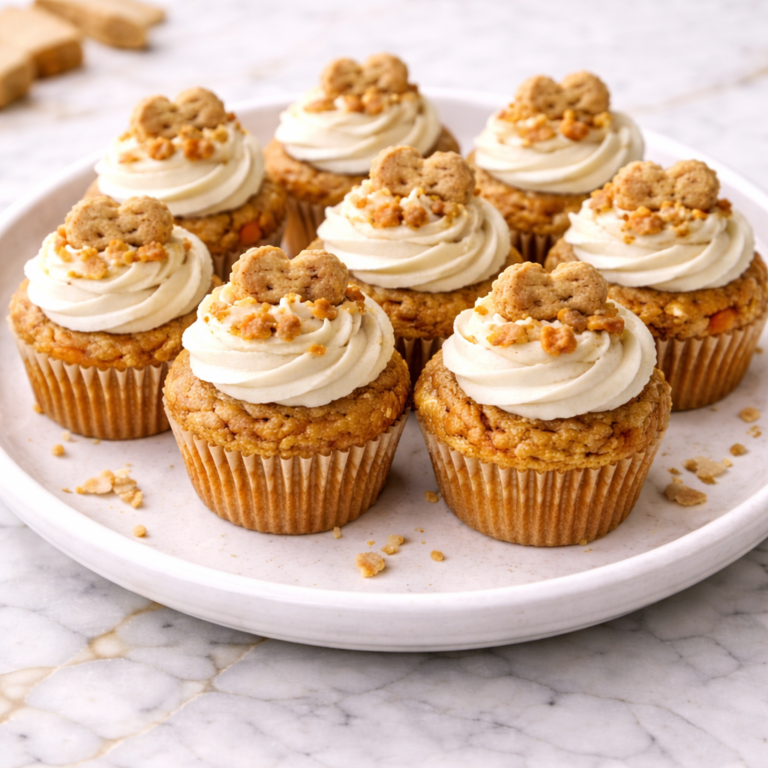
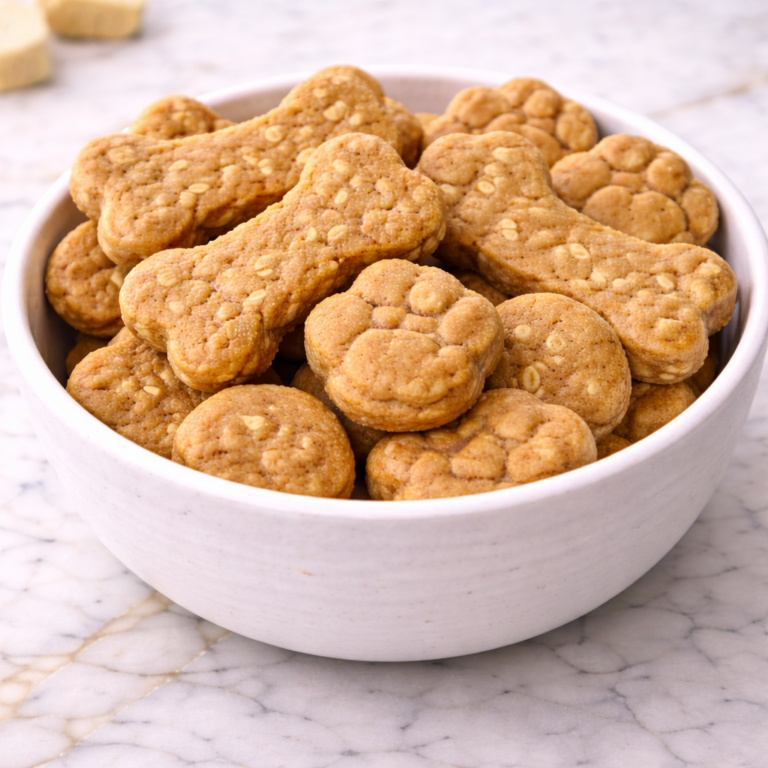
There is something especially reassuring about making dog treats that do not require turning on the oven. When I prepare no-bake homemade dog treats, the process feels calm, flexible, and easy to fit into everyday life.
It removes the pressure of timing, temperatures, and baking precision, which makes treat-making feel more accessible.
No-bake recipes grew out of a desire for simplicity and practicality. They rely on gentle mixing, chilling, or freezing rather than heat, which keeps ingredients recognizable and steps straightforward. This approach works well for busy days, warm weather, or moments when you want something quick and dependable.
I often reach for no-bake dog treat recipes when restocking small rewards or preparing enrichment treats ahead of time. They are easy to portion, adjust, and store without much effort. The process feels less like baking and more like assembling something thoughtful and intentional.
No-Bake Homemade Dog Treat Recipes fit naturally into a mindful approach to dog care. They focus on simplicity, moderation, and routine rather than presentation or complexity. More than anything, they show that homemade treats do not need heat or elaborate steps to feel meaningful.
Why No-Bake Treats Are Great for Your Dog
No-bake treats use minimal ingredients and simple preparation methods. This makes it easier to understand exactly what goes into each treat. Fewer steps often mean fewer opportunities for mistakes.
The texture of no-bake treats can vary widely depending on ingredients and chilling time. Some are soft and scoopable, while others firm up nicely when refrigerated or frozen. This flexibility allows you to tailor treats to your dog’s preferences.
Preparation is especially approachable for beginners. Mixing, shaping, and chilling are forgiving steps that do not require precision. This makes no-bake recipes accessible for almost anyone.
Dogs often enjoy no-bake treats because of their moisture and gentle texture. These treats tend to be aromatic without being overpowering. The appeal comes from familiar ingredients rather than baked intensity.
Ingredients
These no-bake dog treat recipes are built around flexible, commonly used ingredients. You can mix and match depending on preference and availability.
- 1½ cups pure pumpkin purée
- 1 cup unsweetened applesauce
- 2 ripe bananas, mashed
- 1 cup plain unsweetened yogurt
- ½ cup natural peanut butter (xylitol-free)
- 2 cups oat flour
- ½ cup rolled oats
- ¼ cup water, as needed
Tools You’ll Need
- Mixing bowls
- Measuring cups
- Measuring spoons
- Fork or potato masher
- Silicone spatula
- Spoon or small scoop
- Baking sheet or tray
- Parchment paper
- Refrigerator or freezer
- Airtight storage containers
Pro Tips
Always check labels carefully, especially for peanut butter and yogurt. Avoid products with added sugars, sweeteners, or xylitol. Ingredient awareness is essential.
Use ripe bananas for easier mixing and smoother texture. Ripe bananas mash easily and bind ingredients well. This improves consistency.
Adjust moisture gradually. Add small amounts of water only if needed to bring mixtures together. No-bake dough should be soft but not runny.
Chilling time matters. Allow treats enough time to firm up fully before serving or storing. Patience improves texture and handling.
Portion treats thoughtfully before chilling. Smaller portions are easier to serve and help with moderation. Size control is easier before setting.
How Long These Recipes Take
Preparation time for no-bake dog treats is usually quick and manageable. Mixing and shaping typically takes about twenty to thirty minutes. This makes it easy to prepare treats even on busy days.
Chilling or freezing time varies by recipe. Refrigerator-set treats usually need one to two hours. Frozen treats may need two to four hours to fully firm.
Cooling and setting time should always be included in planning. From start to finish, most no-bake recipes take between two and four hours, much of which is hands-off time.
Make-Ahead Tips
No-bake dog treats are ideal for make-ahead preparation. Many recipes store well once set, making them convenient for regular use. This supports consistent routines.
Prepare larger batches and portion them before chilling. This simplifies storage and serving later. Organization helps maintain freshness.
Refrigerated no-bake treats are best used within a week. Frozen treats last longer and are useful for warm weather. Label containers with dates.
Avoid stacking treats before they are fully set. This can cause sticking or misshaping. Allow full setting time before storage.
Step-by-Step Instructions
Step 1: Choose a Base
Select a base ingredient such as pumpkin purée, mashed banana, applesauce, or yogurt. Place it in a large mixing bowl.
Step 2: Add Binding Ingredients
Add oat flour, rolled oats, or peanut butter depending on desired texture. Stir gently until combined.
Step 3: Adjust Consistency
If the mixture feels too dry, add water a tablespoon at a time. If too wet, add a little more oat flour. Adjust slowly.
Step 4: Mix Thoroughly
Stir until the mixture is uniform and holds together easily. The texture should be soft but shapeable.
Step 5: Portion the Treats
Use a spoon or small scoop to portion treats onto a parchment-lined tray. Shape gently if needed.
Step 6: Chill or Freeze
Place the tray in the refrigerator or freezer depending on the recipe. Allow treats to set completely.
Step 7: Transfer to Storage
Once fully set, transfer treats to airtight containers. Store according to recipe type.
Nutritional Notes for Dogs
No-bake treats are designed as occasional rewards, not meal replacements. They add variety and enjoyment without replacing balanced food. Portion size remains important.
These treats often contain higher moisture than baked treats. This can be appealing but also means careful storage is necessary. Freshness matters.
Each dog responds differently to new ingredients. Introduce no-bake treats gradually and observe tolerance. Adjust frequency as needed.
Ingredient Swaps and Variations
- Dairy-free: Use coconut yogurt instead of regular yogurt.
- Peanut-free: Replace peanut butter with mashed pumpkin or banana.
- Frozen option: Freeze mixtures in silicone molds for summer treats.
- Texture change: Add more oats for firmer treats or more purée for softer ones.
- Mini treats: Use a teaspoon to portion smaller sizes for training.
How to Serve Safely
Serve no-bake treats in portions appropriate for your dog’s size. Smaller dogs need very small amounts. Larger dogs can enjoy slightly more with moderation.
Always supervise treat time, especially with softer textures. Break treats into smaller pieces if needed. Calm serving matters.
No-bake treats are best used as rewards, enrichment, or occasional snacks. They should not replace meals. Balance supports routine.
Offer chilled or room-temperature treats only. Never serve treats that have softened too much or appear unstable.
Common Mistakes to Avoid
Using sweetened or flavored ingredients can make treats unsuitable. Always choose plain versions. Label checking is essential.
Adding too much liquid can prevent treats from setting properly. Adjust moisture slowly. Texture control matters.
Skipping adequate chilling time can cause treats to fall apart. Always allow full setting. Patience improves results.
Improper storage can shorten shelf life. Keep treats refrigerated or frozen as recommended. Storage habits matter.
Overfeeding no-bake treats can disrupt balance. Treats should remain occasional. Portion control is important.
Storage and Freshness Tips
Store refrigerator-set no-bake treats in airtight containers for up to seven days. Inspect before serving. Discard if texture or odor changes.
Frozen no-bake treats can last up to two months. Thaw slightly before serving if needed. Do not refreeze thawed treats.
Avoid leaving no-bake treats at room temperature for extended periods. Prompt storage protects quality.
Label containers with preparation dates to help with rotation. Organization supports freshness.
FAQs
Can puppies eat no-bake dog treats
Puppies can have very small portions if ingredients are familiar. Introduce slowly and supervise closely. Moderation is important.
How often can I give no-bake treats
No-bake treats should be given occasionally. They are not intended for daily frequent feeding. Balance supports routine.
Are no-bake treats better than baked treats
Both have benefits. No-bake treats are softer and quicker to prepare, while baked treats last longer at room temperature. Choice depends on routine.
Can I freeze all no-bake treats
Most no-bake treats freeze well. Texture may change slightly when thawed. Test small batches first.
How do I know if treats have gone bad
Discard treats with mold, off odors, or excessive moisture. Safety should always come first.
Can I make no-bake treats firmer
Yes, adding more oats or chilling longer helps treats firm up. Texture is adjustable.
Should no-bake treats be refrigerated
Yes, refrigeration is recommended for most no-bake recipes. Cold storage maintains freshness.
Ready to Make Simple, Gentle Treats Without Baking
No-Bake Homemade Dog Treat Recipes offer an easy, flexible way to prepare thoughtful rewards without turning on the oven. With familiar ingredients, minimal steps, and adaptable textures, they fit naturally into everyday routines.
Whether chilled, frozen, or softly set, these treats reflect care, intention, and the comfort of simple preparation.