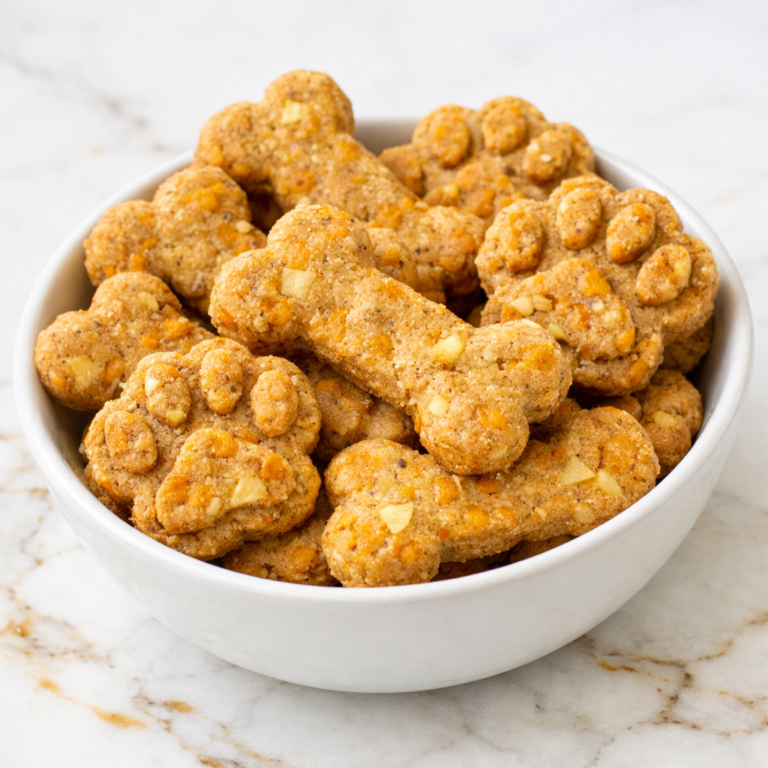
If you’re looking for a high-protein, nutrient-rich treat your dog will go absolutely wild for, this Salmon Dog Jerky is it.
With just one ingredient—fresh salmon—you can create a chewy, savory snack that’s packed with omega-3 fatty acids, natural flavor, and none of the preservatives or fillers you’d find in store-bought treats.
This jerky is ideal for pups with food sensitivities, active dogs needing lean protein, or any canine who simply loves fish.
It’s especially helpful for dogs with dry skin or dull coats thanks to the healthy fats in salmon. Once you make a batch and see your pup’s reaction, you’ll never go back to the store-bought version again.

Why Your Dog Will Love This Recipe
Salmon jerky is chewy, rich in natural flavor, and loaded with the savory taste dogs crave.
Unlike heavily processed treats, this one is clean and simple—made with just one real food ingredient.
The chewy texture gives your dog something satisfying to work on, and the healthy fats in salmon support brain health, joint health, and a shiny coat. Whether used as a high-value reward or a special snack, your dog will always be eager for more.
What You’ll Need
- 1–1.5 lbs fresh salmon fillet (skin-on or skinless, bones removed)
Optional (but not necessary):
- A drizzle of coconut oil for extra skin & coat support
- Sprinkle of dried parsley or turmeric for added health benefits
Pro Tips
- Freeze salmon for 20–30 minutes before slicing to make thin, even strips easier to cut.
- Remove all bones carefully—even tiny pin bones can be a choking hazard.
- Use a dehydrator for best texture, but the oven works great too.
- Store only when fully cooled and dry to avoid moisture-related spoilage.
- Use skin-on salmon if your dog enjoys the extra texture and fat content.
Tools Required
- Sharp knife
- Cutting board
- Dehydrator or oven
- Parchment paper (if using oven)
- Baking sheet or dehydrator trays
- Cooling rack or tray
- Airtight storage container or freezer-safe bag

Substitutions and Variations
- Other fish options: Try trout, whitefish, or cod if your dog prefers other varieties
- Oil boost: Add a small amount of coconut or fish oil before drying
- Flavor enhancer: Sprinkle lightly with parsley or turmeric before dehydrating
- Vegetarian version: Try sweet potato or carrot jerky if your dog doesn’t tolerate fish
- Meat version: Follow the same process using thinly sliced chicken or beef
Make Ahead Tips
Salmon jerky stores exceptionally well, especially when dried properly. Make a large batch and store in the fridge or freezer for months. You can also pre-slice the salmon and freeze the raw strips flat, then thaw and dehydrate as needed for smaller batches.
Label each batch with the date so you can keep track of freshness.
Instructions
Step 1: Prepare the Salmon
Check the salmon fillet for any bones. Run your fingers along the flesh and remove any pin bones with tweezers. You can leave the skin on for extra flavor and texture, or remove it if you prefer a leaner treat.
Step 2: Slice Thin
Using a sharp knife, slice the salmon into long strips about 1/4 inch thick. For smaller dogs, you can cut into smaller squares or shorter pieces. Try to keep thickness uniform so they cook evenly.
Step 3: Arrange for Drying
Dehydrator method:
Lay salmon strips in a single layer on dehydrator trays, leaving space between pieces. Set to 135°F (57°C) and dehydrate for 6–8 hours, or until dry but still slightly flexible.
Oven method:
Preheat your oven to 200°F (93°C). Place strips on a parchment-lined baking sheet or a wire rack set on a baking tray. Bake for 2.5–3.5 hours, flipping halfway, until the strips are dry and chewy.
Step 4: Cool Completely
Once finished, let the jerky cool completely on a wire rack before storing. This helps prevent condensation and keeps the texture firm.
Step 5: Store
Store cooled jerky in an airtight container or resealable bag. Keep in the fridge for up to 2 weeks, or in the freezer for up to 3 months.
Serving Suggestions
- Use as a high-value training reward
- Break into small pieces for treats on walks
- Serve as a midday snack for energy and satisfaction
- Gift to other dog parents in labeled jars
- Use in enrichment toys or puzzle feeders for mental stimulation
Allergy-Friendly Substitutions
- Chicken allergy-friendly: Salmon is a great protein for dogs with poultry sensitivities
- Grain-free & gluten-free: Naturally grain-free—no flours or binders needed
- Low-carb: Excellent for dogs on a low-carb or ketogenic diet
- Low-fat alternative: Use cod or whitefish instead of salmon for lower fat content
- Vegetarian option: Use the same process with thin-sliced zucchini or sweet potato
Leftovers and Storage
Proper storage is key to keeping jerky fresh and safe:
- Refrigerator: Store in a sealed container for up to 2 weeks
- Freezer: Freeze for up to 3 months. Use freezer-safe bags and thaw before serving
- Room temperature: Only store at room temp for a few days if fully dried and kept in an airtight, cool environment
- Moisture check: If any condensation appears in your container, transfer jerky to the fridge and use within a few days
You can also vacuum seal jerky for even longer shelf life.
Nutrition & Benefits
Salmon is one of the most nutritious proteins you can offer your dog. It’s rich in omega-3 fatty acids, which support joint health, cognitive function, and coat shine. It’s also packed with high-quality protein that helps build muscle and fuel energy. This treat is ideal for dogs with allergies or sensitivities to other proteins, as well as those needing extra support for inflammation or skin health.
Homemade jerky gives you full control over ingredients, ensuring that your pup gets nothing but the best in every single bite.
Recipe FAQ
Q: Can I use frozen salmon?
A: Yes—just thaw it fully in the fridge before slicing and drying.
Q: Is this safe for dogs with food allergies?
A: Salmon is often used in hypoallergenic diets, but always introduce new treats gradually.
Q: Does the smell linger in the house?
A: It can during baking, but it dissipates quickly. Dehydrators emit less odor than ovens.
Q: Can I use canned salmon?
A: No—canned salmon is too moist and often contains added salt or preservatives. Use fresh or frozen fillets.
Q: How do I make it crispier?
A: Extend drying time and slice thinner. Just watch to avoid over-drying to the point of brittleness.
Recipe Wrap-Up
This Salmon Dog Jerky is a simple, wholesome, and protein-rich treat that your dog will absolutely love.
Whether baked or dehydrated, it’s packed with flavor and tailored to support your dog’s health—from shiny coats to strong joints.
With no added ingredients or preservatives, you can feel confident knowing exactly what’s going into your dog’s treats. It’s a win for flavor, nutrition, and peace of mind—one chewy strip at a time.