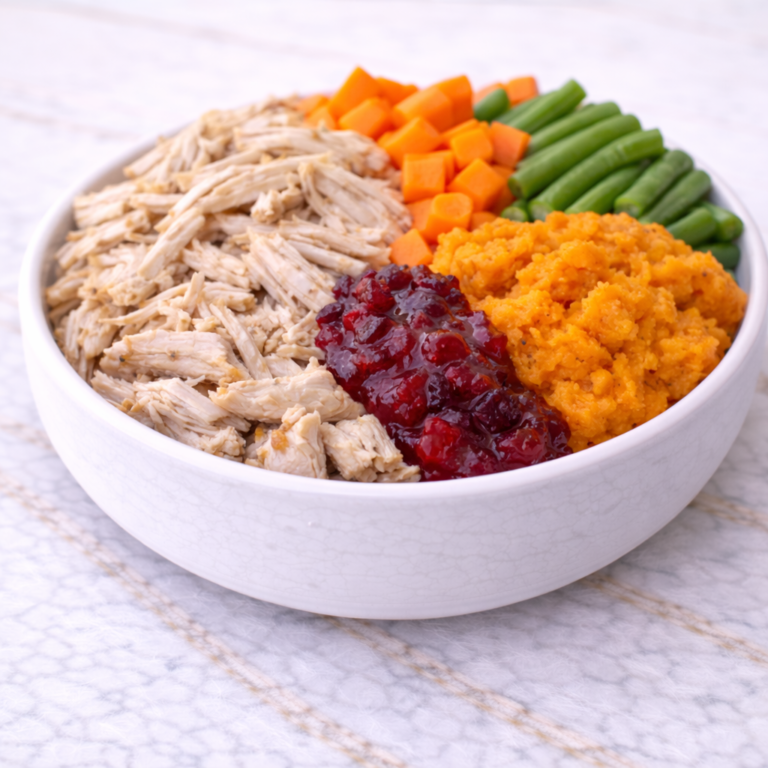
Preparing a fresh bowl for my dog has always felt like a steady, intentional part of our routine. I appreciate knowing exactly what goes into his food, especially when I am adding something homemade alongside his regular meals. This salmon quinoa power bowl is one of those recipes that feels both practical and thoughtful.
I enjoy making this recipe because it combines simple ingredients in a way that feels balanced and purposeful. The colors and textures come together in a way that feels nourishing without being complicated. It is a calm, manageable process that fits naturally into a regular week.
What makes this bowl feel special is the use of gently cooked salmon paired with soft quinoa and fresh vegetables.
The ingredients are familiar, but together they create something that feels a little more intentional than an ordinary topper. It feels like a small act of care that supports consistency rather than replacing what already works.
This recipe fits easily into everyday feeding routines. I often prepare it in batches and spoon a modest portion over my dog’s regular food. It becomes part of our rhythm, not a dramatic change, but a steady complement to his usual diet.
There is also something grounding about preparing fish carefully and checking it thoroughly before serving. That extra attention reinforces the idea that homemade additions require mindfulness. It reminds me to move slowly and thoughtfully in the kitchen.
Over time, this power bowl has become one of my most reliable homemade options. It stores well, portions easily, and offers a texture that my dog genuinely seems to enjoy. Most importantly, it supports our feeding routine without disrupting it.
Why This Recipe Is Great for Your Dog
The ingredient list for this recipe is straightforward and recognizable. Salmon, quinoa, and a small selection of vegetables create a base that feels simple and balanced. There are no complicated seasonings or unnecessary additions.
From a texture perspective, this bowl offers variety without being overwhelming. The salmon flakes easily, the quinoa is soft and light, and the vegetables provide gentle structure. That combination creates interest while remaining easy to chew.
Preparation is manageable even for beginners. Each component is cooked separately in a calm, methodical way, then combined at the end. This approach keeps the process organized and predictable.
Dogs often respond positively to the natural aroma of cooked salmon. When mixed with warm quinoa and lightly steamed vegetables, the scent becomes appealing without being overpowering. The result is a bowl that feels satisfying and approachable.
Because this recipe is designed as a complementary option, it fits smoothly alongside a complete commercial or veterinarian-guided diet. It can be spooned over kibble or mixed into a regular meal in moderate portions. That flexibility makes it easy to incorporate into different routines.
The power bowl format also makes portion control simpler. You can measure exact amounts and adjust based on your dog’s size and daily intake. This encourages mindful feeding rather than guesswork.
Ingredients
- 1 pound fresh salmon fillet, skin removed
- 1 cup dry quinoa
- 2 cups water (for cooking quinoa)
- 1/2 cup finely chopped carrots
- 1/2 cup finely chopped zucchini
- 1/4 cup finely chopped spinach
- 1 tablespoon olive oil
- 1/4 cup water (for steaming vegetables)
Tools You’ll Need
- Medium saucepan with lid
- Small saucepan or steamer pan
- Baking sheet
- Parchment paper
- Mixing bowl
- Fork for flaking salmon
- Fine mesh strainer
- Measuring cups
- Measuring spoons
- Sharp knife
- Cutting board
- Spatula or wooden spoon
- Cooling rack
- Airtight storage containers
Pro Tips
Rinse the quinoa thoroughly under cold water before cooking. This removes any natural coating that can create a slightly bitter taste and helps produce a cleaner flavor.
Cook the salmon gently and avoid high heat. Overcooking can dry it out and create a firmer texture that is less appealing when mixed into a soft bowl.
Flake the salmon carefully with a fork and check meticulously for bones. Even small bones should be removed to ensure safe serving.
Steam the vegetables until just tender rather than overly soft. Slight structure helps maintain texture without making the bowl difficult to chew.
Allow all components to cool completely before combining and storing. Warm ingredients can create condensation in storage containers, which may affect freshness.
Portion the finished mixture into measured servings right away. This makes daily feeding simpler and supports consistent moderation.
How Long This Recipe Takes
Preparation time is approximately 20–25 minutes. This includes rinsing the quinoa, chopping vegetables, and preparing the salmon for cooking.
Cooking time averages 25–30 minutes. The quinoa simmers gently, the salmon bakes or poaches, and the vegetables steam in a separate pan.
Cooling and assembly require an additional 20–30 minutes. Overall, you can expect the entire process to take about 1 hour and 15 minutes from start to finish.
Most of this time is calm and hands-off, allowing you to move steadily without rushing. Planning ahead makes the process feel manageable and organized.
Because each component cooks separately, the workflow remains simple. You can prepare vegetables while the quinoa simmers and the salmon cooks, which keeps the process efficient.
Once everything is cooled and combined, the bowl is ready to portion and store. This steady pacing makes it realistic to prepare even on a weekday with a bit of planning.
Make-Ahead Tips
This recipe works especially well for batch preparation. You can cook the salmon, quinoa, and vegetables in larger quantities and portion them for the week. Keeping components separate until fully cooled helps maintain texture.
Refrigerate the fully assembled bowl in airtight containers for up to 3 days. Dividing it into individual servings makes daily feeding simple and consistent. Clear labeling with the date supports freshness awareness.
For longer storage, freeze the mixture in portion-sized containers. Flattening each portion slightly allows for faster, more even thawing. This approach makes it easier to remove only what you need.
Thaw frozen portions in the refrigerator overnight. Avoid thawing at room temperature for extended periods. Gentle reheating to room temperature can make serving more comfortable, but always check warmth before offering.
If preparing components separately, you can freeze cooked quinoa and flaked salmon in individual portions. Combine them with freshly steamed vegetables on the day of serving if desired. This helps preserve the best texture over time.
Keeping a consistent batch schedule can support routine. Preparing the bowl once or twice a week helps prevent last-minute adjustments. A steady approach reduces the likelihood of rushing.
Step-by-Step Instructions
Step 1: Rinse the Quinoa
Place the 1 cup dry quinoa in a fine mesh strainer. Rinse thoroughly under cold running water for at least 30 seconds, moving the grains gently with your hand.
This step helps remove the natural coating on quinoa. Proper rinsing supports a cleaner taste and better texture after cooking.
Step 2: Cook the Quinoa
Transfer the rinsed quinoa to a medium saucepan. Add 2 cups of water and bring to a gentle boil.
Reduce the heat to low, cover with a lid, and simmer for about 15 minutes. The water should be absorbed and the quinoa should appear soft and slightly translucent.
Remove the saucepan from heat and let it sit covered for 5 minutes. Fluff gently with a fork and allow it to cool completely before combining.
Step 3: Prepare the Salmon
Preheat your oven to 350°F (175°C). Line a baking sheet with parchment paper and place the 1 pound fresh salmon fillet on top.
Ensure the skin has been removed and inspect the surface for any visible bones. This careful check supports safe preparation.
Step 4: Cook the Salmon
Bake the salmon for 18–22 minutes, depending on thickness. The fish should flake easily with a fork and appear fully opaque.
Avoid overcooking, as this can dry out the texture. A gently cooked salmon will blend more smoothly into the bowl.
Remove the salmon from the oven and allow it to cool fully. Once cooled, use a fork to flake it into small, manageable pieces.
Step 5: Check for Bones
Carefully run your fingers through the flaked salmon. Feel for any small bones and remove them immediately.
Take your time with this step. Thorough checking helps maintain safety and confidence when serving.
Step 6: Prepare the Vegetables
Finely chop 1/2 cup carrots, 1/2 cup zucchini, and 1/4 cup spinach. Keep the pieces small and uniform for even cooking.
Small cuts make the vegetables easier to mix evenly. They also help create a consistent texture throughout the bowl.
Step 7: Steam the Vegetables
Place the chopped carrots, zucchini, and spinach in a small saucepan or steamer pan. Add 1/4 cup of water and cover.
Steam over medium-low heat for 5–7 minutes, or until just tender. The vegetables should be soft but not overly mushy.
Drain any excess water and allow the vegetables to cool completely. Cooling prevents excess moisture from affecting the final mixture.
Step 8: Combine the Ingredients
In a large mixing bowl, combine the cooled quinoa, flaked salmon, and steamed vegetables. Drizzle with 1 tablespoon olive oil.
Stir gently with a spatula or wooden spoon until evenly distributed. Avoid overmixing to preserve texture.
Step 9: Portion the Power Bowl
Spoon the mixture into individual serving containers. Measure portions based on your dog’s size and regular feeding routine.
Keep portions moderate, as this recipe is intended as a complementary addition. Consistency in portioning supports balanced feeding habits.
Step 10: Cool and Store
Ensure the mixture is fully cooled before sealing containers. Warm food can create condensation and reduce freshness.
Place containers in the refrigerator or freezer according to your storage plan. Labeling with the preparation date can help maintain organization.
Nutritional Notes for Dogs
Salmon provides a natural source of protein and contributes a rich texture to the bowl. Its flaked consistency blends well with softer grains and vegetables.
Quinoa offers gentle carbohydrates and structure. When cooked properly, it becomes light and fluffy, supporting a balanced texture in each portion.
Carrots, zucchini, and spinach add color and variety. They contribute subtle flavor and mild texture without overwhelming the main ingredients.
Olive oil adds a small amount of moisture and helps the mixture combine smoothly. It also supports an even distribution of ingredients throughout the bowl.
This power bowl is designed to complement a complete and balanced diet. It should be served in moderation alongside regular meals rather than replacing them entirely.
A steady feeding routine supports long-term balance. Observing how your dog responds to new additions helps maintain confidence and consistency over time.
Ingredient Swaps and Variations
Dairy-free: This recipe is naturally dairy-free as written. No milk, cheese, or yogurt products are included in the base formula.
Grain-free: Replace the 1 cup cooked quinoa with 1 cup cooked and mashed sweet potato. Ensure the sweet potato is plain, fully cooked, and cooled before mixing.
Flavor variation: Substitute half of the salmon with 1/2 pound cooked plain turkey for a milder flavor profile. Flake or finely chop the turkey to maintain a consistent texture.
Texture adjustment: For a softer consistency, add 1–2 tablespoons of warm water when mixing. For a firmer blend, reduce added moisture and allow the mixture to chill before serving.
Mini version: Pulse the fully combined mixture briefly in a food processor to create a finer texture. This can be helpful for smaller dogs who prefer smaller, more uniform bites.
How to Serve Safely
Serve this power bowl in portions appropriate to your dog’s size and daily intake. Small dogs may only need a few spoonfuls, while larger dogs can handle a slightly larger measured serving.
Always supervise your dog during feeding, especially when introducing new textures. Observing chewing habits helps ensure the mixture is manageable and comfortable.
This recipe is intended as a complementary addition rather than a full meal replacement. Mixing it with your dog’s regular food supports balance and consistency.
Introduce new ingredients gradually if your dog has not had them before. A slow introduction allows you to observe tolerance and maintain routine stability.
Ensure the bowl is served at room temperature. Food that is too warm or too cold may be uncomfortable for sensitive mouths.
Common Mistakes to Avoid
Failing to remove all salmon bones can create safety concerns. Always check carefully by hand after flaking to ensure no small bones remain.
Overcooking the salmon may result in a dry texture. Cook gently and monitor closely to maintain softness.
Skipping the quinoa rinse can affect the overall flavor. Rinsing thoroughly before cooking helps produce a cleaner result.
Adding seasoned or flavored ingredients can introduce unnecessary additives. Use only plain, unseasoned components throughout the recipe.
Storing the mixture while still warm may lead to condensation and faster spoilage. Allow full cooling before sealing containers.
Serving overly large portions can disrupt feeding balance. Measure servings thoughtfully to maintain moderation.
Storage and Freshness Tips
Store the fully cooled power bowl in airtight containers in the refrigerator for up to 3 days. Keeping containers sealed tightly helps preserve moisture and prevent odor transfer.
For longer storage, freeze portions for up to 2 months. Dividing into single servings makes thawing more convenient.
Always thaw frozen portions in the refrigerator overnight. Avoid extended room-temperature thawing to maintain freshness and safety.
Check the mixture before serving each time. Discard if you notice unusual odor, discoloration, or excess moisture.
Keeping a consistent labeling system supports organization. Writing the preparation date on containers can help prevent accidental overuse.
FAQs
Can I use canned salmon instead of fresh?
Yes, but choose plain salmon packed in water with no added salt. Drain thoroughly and check carefully for bones before mixing.
Is this recipe suitable for puppies?
It can be offered in small amounts to puppies already eating solid food. Adjust portion size and monitor chewing closely.
Can I prepare this without olive oil?
Yes, the olive oil can be omitted if preferred. The texture may be slightly less moist, but the mixture will still combine well.
How do I know if the quinoa is fully cooked?
Fully cooked quinoa appears translucent with a small visible spiral. It should feel soft but not mushy.
Can I warm the bowl before serving?
You may allow it to sit at room temperature briefly after refrigeration. Avoid microwaving to very high temperatures and always check warmth before serving.
How often can I offer this power bowl?
It is best used occasionally as a complement to a balanced diet. Consistent moderation supports long-term feeding balance.
What if my dog prefers a smoother texture?
You can pulse the finished mixture briefly in a food processor. This creates a finer consistency while keeping ingredients evenly distributed.
A Simple Bowl Made with Care
This salmon quinoa power bowl offers a calm, practical way to bring a homemade touch to your dog’s regular routine. The gentle combination of salmon, quinoa, and vegetables feels balanced and thoughtful without adding complication to mealtime.
With careful preparation and mindful portioning, it fits naturally alongside a complete diet. Over time, small additions like this can become a steady part of the rhythm you share, supporting consistency while keeping feeding simple and grounded.