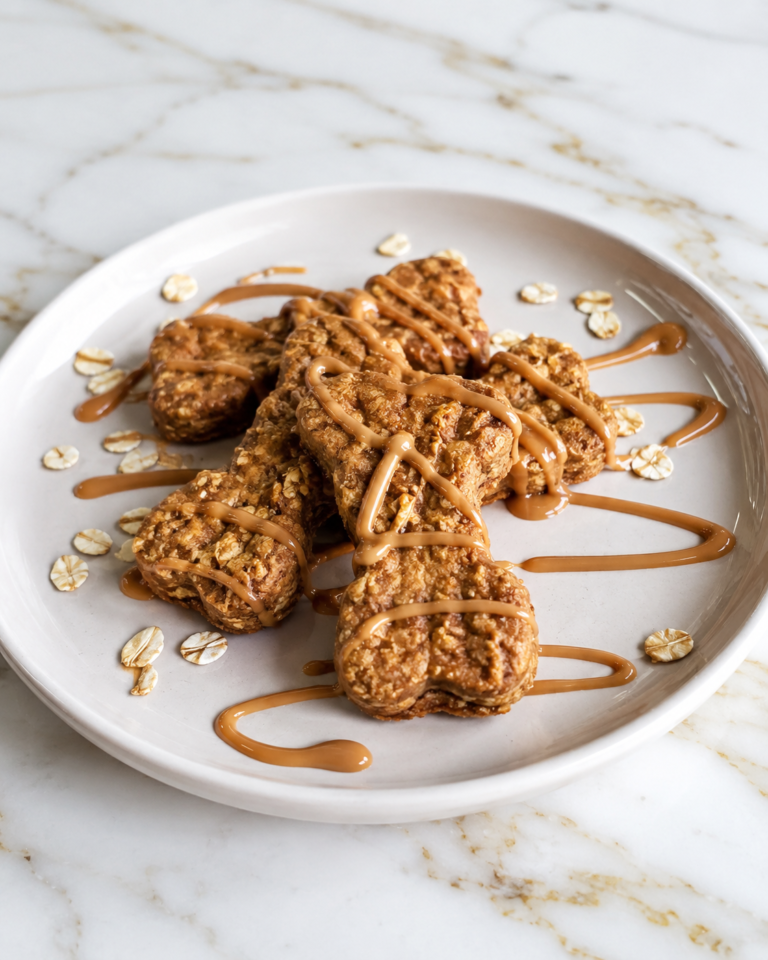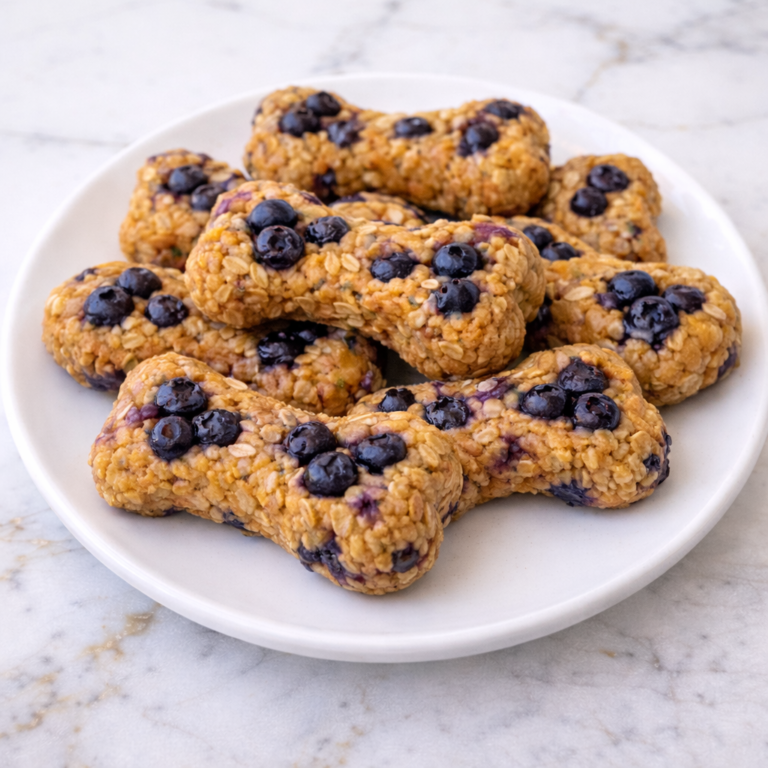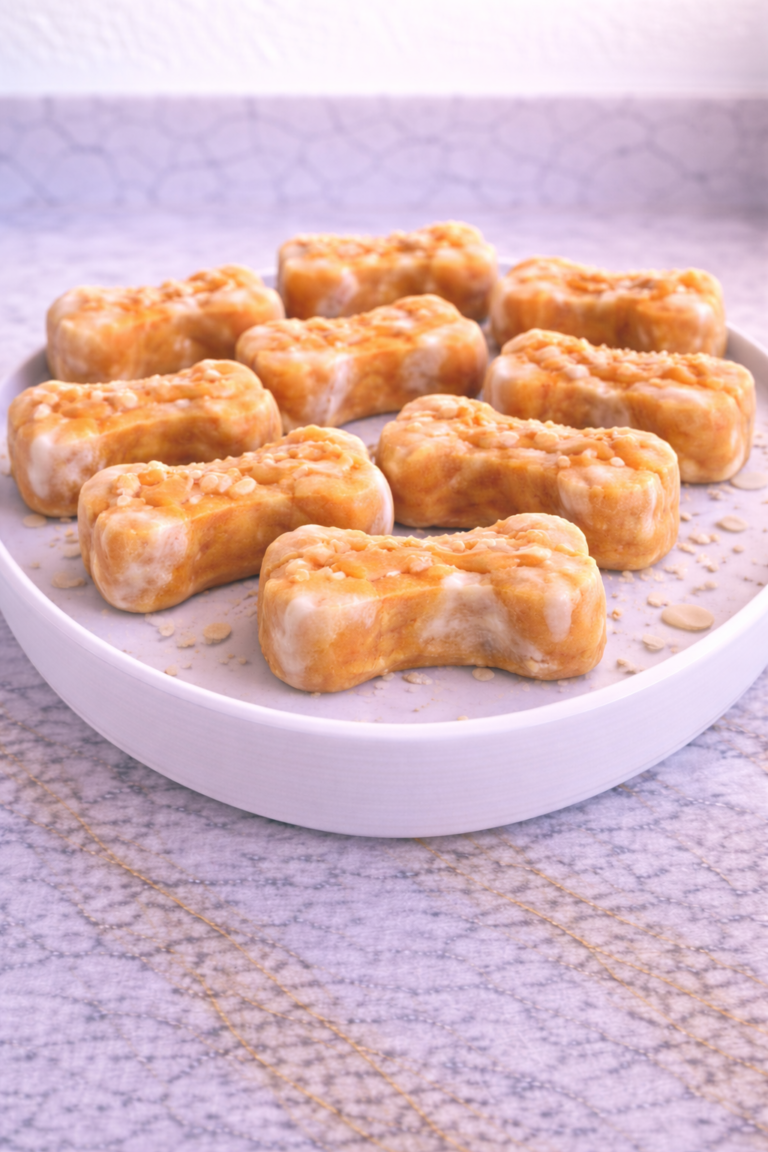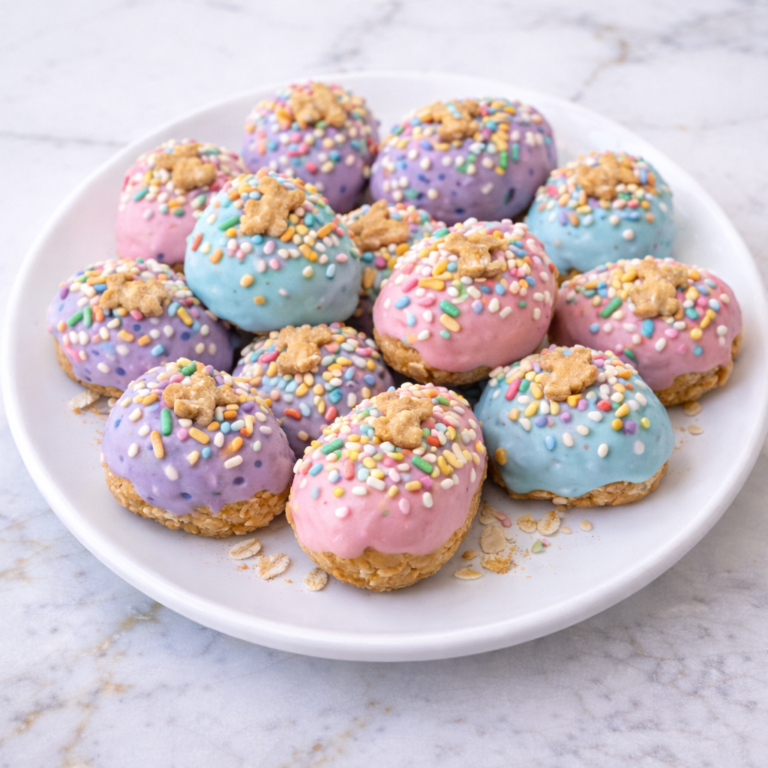

Carrot Stick Chews for Dogs are a simple homemade treat that feels fresh, practical, and easy to prepare. I enjoy making this kind of recipe because it uses one familiar vegetable and turns it into a dog-friendly chew with very little fuss.
There is something thoughtful about preparing treats that are clean and uncomplicated. Carrots have a naturally firm texture, and with gentle preparation, they can become a satisfying snack for dogs who enjoy chewing.
This recipe fits easily into everyday dog care because it does not require a long ingredient list. You can make a small batch for the refrigerator or prepare extra pieces to freeze for later.
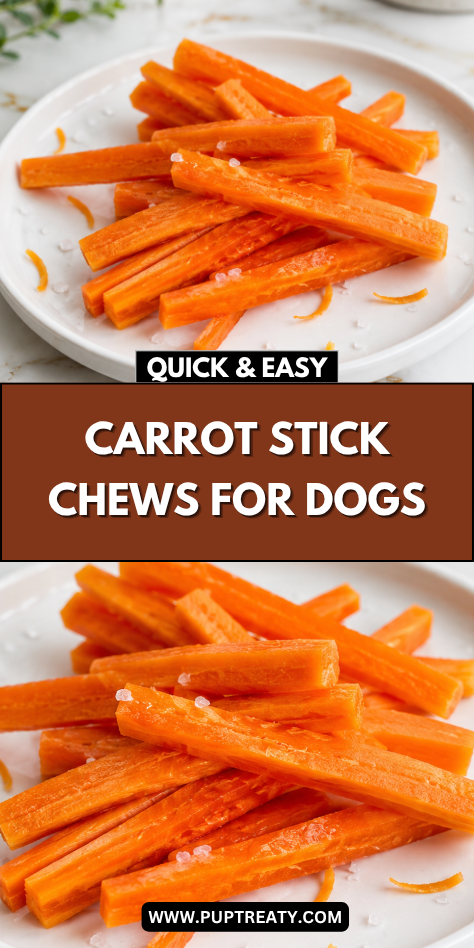
I like using carrot sticks as a calm reward after walks or as a light snack during quiet times at home. They are easy to portion, easy to handle, and simple to adjust based on your dog’s size.
These chews are meant to be a complementary treat, not a meal replacement. They work best when served in moderation alongside your dog’s regular balanced food.
Why This Recipe Is Great for Your Dog
This recipe focuses on ingredient simplicity. Fresh carrots are washed, trimmed, cut into sticks, and lightly prepared so they are easy to serve as an occasional chew.
The texture is one of the most useful parts of this recipe. Carrot sticks have a firm bite, and you can adjust the chew by serving them raw, lightly steamed, chilled, or frozen depending on your dog’s preference.
The preparation is beginner-friendly and does not require special cooking skills. Most of the work involves peeling, cutting, and deciding whether you want a softer or firmer chew.
Dogs often enjoy the natural crunch of carrots. The mild sweetness and fresh texture can make them appealing without needing added flavorings.
These chews are also easy to portion for different dog sizes. You can cut thin sticks for small dogs or thicker pieces for larger dogs that chew more steadily.
This recipe is helpful when you want a simple treat that feels low-effort but still thoughtful. It gives you control over size, texture, and storage while keeping the ingredients plain.
Ingredients
- 3 medium carrots
- 2 cups water, for steaming if needed
Tools You’ll Need
- Cutting board
- Sharp knife
- Vegetable peeler
- Measuring cup
- Saucepan with steamer basket, optional
- Tongs
- Plate or tray
- Parchment paper
- Clean kitchen towel
- Airtight storage container
- Refrigerator-safe container
- Freezer-safe bag or container
Pro Tips
Choose firm carrots without soft spots or cracks. Fresh carrots hold their shape better and give the chews a cleaner texture.
Cut the sticks based on your dog’s size and chewing style. Smaller dogs need thinner, shorter sticks, while larger dogs may handle longer pieces more comfortably.
Steam the carrots briefly if your dog prefers a softer chew. A light steam keeps the carrot sturdy while making it easier to bite.
Avoid adding salt, butter, oil, honey, or seasoning. Plain carrot is enough for a simple dog-friendly treat.
Chill the carrot sticks before serving if you want a firmer, cleaner snack. Cold carrot sticks can feel refreshing and are easy to handle.
Supervise your dog with carrot sticks, especially the first time. Some dogs chew slowly, while others may try to swallow pieces too quickly.
How Long This Recipe Takes
Preparation takes about 10 minutes. This includes washing, peeling, trimming, and cutting the carrots into sticks.
If you serve the carrots raw, the recipe is ready right after cutting and portioning. Raw sticks are the quickest option and keep the firmest crunch.
If you lightly steam the carrot sticks, add about 3 to 5 minutes of cooking time. Let them cool fully before serving or storing.
Freezing takes at least 2 hours if you want a colder, firmer chew. The full timing depends on whether you choose raw, steamed, chilled, or frozen carrot sticks.
This recipe has a flexible pace. You can prepare a small amount for the day or make a larger batch for easy storage.
Make-Ahead Tips
Carrot Stick Chews are easy to prepare ahead because they keep well when stored properly. You can wash, peel, and cut several carrots at once, then store the sticks in the refrigerator.
For short-term use, place the carrot sticks in an airtight container. Keep them chilled so they stay crisp and fresh.
If you prefer softer chews, lightly steam the carrot sticks before storing. Cool them completely before placing them in a sealed container.
For freezing, arrange the carrot sticks on a parchment-lined tray first. Once frozen solid, move them into a freezer-safe bag or container.
Freezing in a single layer helps prevent the sticks from clumping together. This makes it easier to remove one or two pieces at a time.
Thaw frozen carrot sticks in the refrigerator if your dog prefers a softer texture. If serving them partially frozen, supervise closely and choose a size that suits your dog’s chewing habits.
Step-by-Step Instructions
Step 1: Choose Fresh Carrots
Select firm, fresh carrots with a bright color and smooth surface. Avoid carrots that feel soft, slimy, or have dark spoiled spots.
Fresh carrots are easier to cut and store. They also keep a better texture whether you serve them raw, chilled, steamed, or frozen.
Step 2: Wash the Carrots
Rinse the carrots well under cool running water. Rub the surface gently with your hands to remove any dirt.
Dry the carrots with a clean kitchen towel. A dry surface makes peeling and cutting easier and safer.
Step 3: Peel the Carrots
Use a vegetable peeler to remove the outer layer. Peeling helps create a smoother texture and removes any rough surface areas.
If you prefer to leave the peel on, wash the carrots very well. Make sure there is no dirt left on the surface before cutting.
Step 4: Trim the Ends
Place the carrots on a cutting board. Cut off the top and bottom ends with a sharp knife.
Discard any tough or dry end pieces. The center portion of the carrot is best for clean, even sticks.
Step 5: Cut into Dog-Friendly Sticks
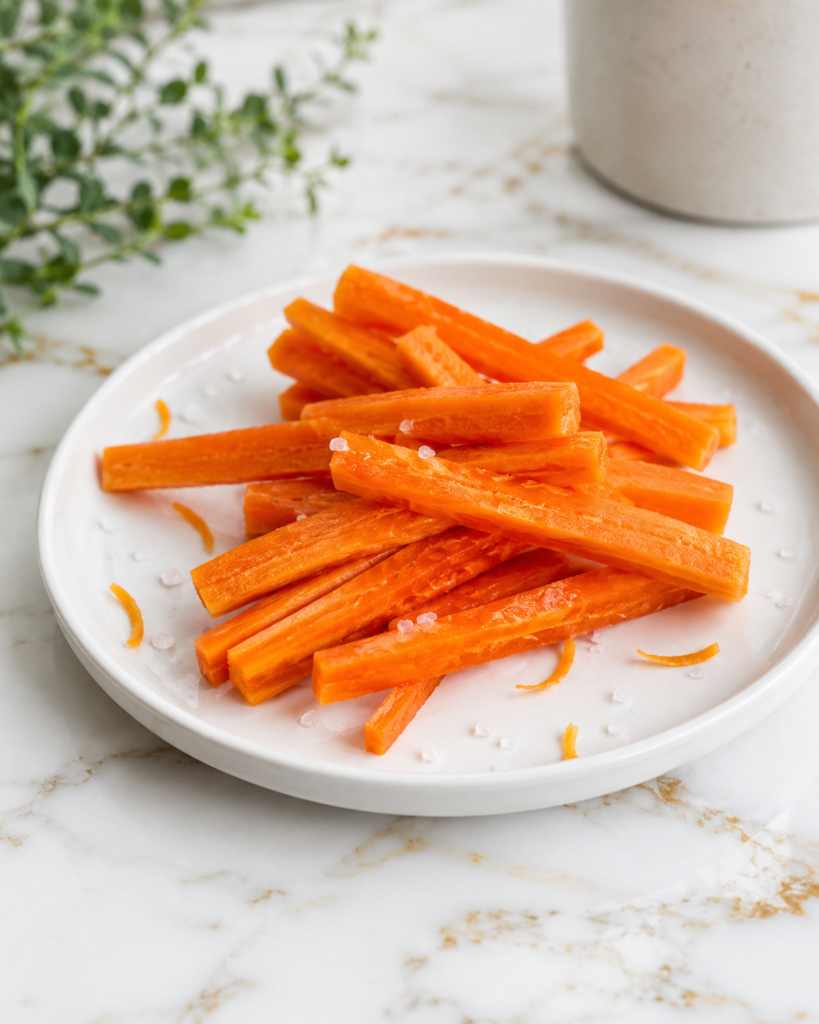
Slice each carrot lengthwise into sticks. Aim for pieces that match your dog’s size and chewing habits.
For small dogs, cut thin sticks about 2 to 3 inches long. For medium or large dogs, slightly thicker sticks can work well when served with supervision.
Step 6: Check the Shape and Size
Look over the carrot sticks before serving or storing. Trim any sharp points or very thin ends that may break unevenly.
The pieces should be easy for your dog to hold and chew. Avoid oversized chunks that could be difficult to manage.
Step 7: Decide Raw or Softened
You can keep the carrot sticks raw for a firm crunch. This option works well for dogs that enjoy crisp textures and chew carefully.
For a gentler texture, lightly steam the carrot sticks. This makes them softer while still keeping enough structure for chewing.
Step 8: Lightly Steam if Desired
Add 2 cups of water to a saucepan and place a steamer basket inside. Bring the water to a gentle simmer, then add the carrot sticks.
Steam for 3 to 5 minutes, just until slightly tender. The sticks should not become mushy or fall apart.
Step 9: Cool Completely
Transfer steamed carrot sticks to a plate or tray. Let them cool completely before serving or storing.
Warm carrots may be too hot in the center. Cooling also helps the texture settle and makes the sticks easier to handle.
Step 10: Chill or Freeze
Place the carrot sticks in the refrigerator if you want a cool, crisp snack. Chill them for at least 30 minutes before serving.
For frozen chews, arrange the sticks on a parchment-lined tray. Freeze until solid, then move them to a freezer-safe container.
Step 11: Serve in Small Portions
Offer one carrot stick at a time based on your dog’s size. Stay nearby while your dog chews so you can observe their pace and comfort.
If your dog tries to gulp the carrot, remove it and cut smaller pieces next time. The right size and texture make the treat safer and more enjoyable.
Nutritional Notes for Dogs
Carrot Stick Chews for Dogs are meant to be served as a simple supplemental snack. They are not a complete meal and should be offered alongside your dog’s regular balanced food.
Carrots bring a firm texture, mild natural sweetness, and a fresh crunch. They can be served raw, lightly steamed, chilled, or frozen depending on your dog’s chewing style and comfort.
Because carrots are naturally firm, portion size and shape matter. The pieces should be large enough for your dog to chew safely, but not so large that they become hard to manage.
These chews can be a useful option when you want a plain treat with no added ingredients. Keeping the recipe simple makes it easier to observe how your dog responds.
Moderation is still important with vegetable-based treats. Too many pieces at once may not fit well into your dog’s normal feeding routine.
A balanced feeding mindset helps keep homemade snacks in the right place. Carrot chews should be occasional extras, not the main part of your dog’s diet.
If your dog is new to carrots, begin with a small piece. Watch how your dog chews and digests the treat before offering it again.
Ingredient Swaps and Variations
- Dairy-free: This recipe is naturally dairy-free because it uses plain carrots only.
- Grain-free: This recipe is naturally grain-free because it does not include oats, wheat, or other grains.
- Flavor variation: Use plain steamed carrot sticks for a softer texture, or serve raw carrot sticks for a fresher crunch.
- Texture adjustment: Cut thinner sticks for easier chewing, lightly steam for softness, or freeze for a firmer chew.
- Mini version: Cut carrots into small matchstick pieces or short rounds for small dogs, always matching the size to your dog’s chewing habits.
How to Serve Safely
Serve carrot stick chews in portions that match your dog’s size. Small dogs may need short, thin pieces, while medium and large dogs may handle slightly longer sticks.
Supervision is important when offering carrot sticks. Some dogs chew carefully, while others may try to swallow pieces before breaking them down enough.
If your dog eats quickly, cut the carrots into smaller pieces or lightly steam them for a softer chew. This can make the texture easier to manage and reduce the chance of large pieces being swallowed too fast.
Raw carrot sticks can be served as a crisp snack after a walk or during a calm break in the day. Lightly steamed carrot sticks may be better for dogs that prefer a gentler bite.
Frozen carrot sticks can be offered occasionally when your dog enjoys a colder chew. Make sure the pieces are not too hard, too large, or difficult for your dog to hold.
Keep servings moderate. One or two small pieces may be enough, depending on your dog’s size, normal diet, and other treats served that day.
Remove any leftover carrot pieces after treat time. Do not leave moist or chewed pieces sitting out, as they can spoil or collect dirt.
Common Mistakes to Avoid
Cutting carrot sticks too large can make them difficult for dogs to chew. Match the size to your dog’s mouth, chewing habits, and comfort level.
Serving very hard frozen pieces to small dogs can be too much for some chewers. If needed, thaw frozen carrot sticks slightly in the refrigerator before serving.
Skipping supervision can make treat time less safe. Stay nearby so you can watch how your dog handles the carrot and remove pieces that become too small or awkward.
Using carrots with soft spots or spoilage is another mistake to avoid. Choose firm, fresh carrots and discard any that smell off, feel slimy, or look moldy.
Adding seasonings can make a simple treat less appropriate. Do not add salt, garlic, onion powder, butter, honey, sauces, or spice blends.
Steaming the carrots too long can make them mushy. Light steaming should soften the texture slightly while keeping the pieces sturdy enough to pick up.
Storing wet carrot sticks loosely in the refrigerator can shorten freshness. Keep them in a sealed container and use a clean utensil when removing pieces.
Freezing the sticks in a pile can make them clump together. Freeze them in a single layer first, then transfer them to a freezer-safe container.
Serving too many carrot pieces at once can crowd your dog’s regular food routine. Keep portions small and treat them as an occasional snack.
Not adjusting for your dog’s chewing style can make the treat less suitable. Choose raw, steamed, chilled, or frozen based on how your dog actually eats.
Storage and Freshness Tips
Store prepared carrot sticks in an airtight container in the refrigerator. This helps them stay crisp, clean, and easy to serve.
Raw carrot sticks usually keep well in the refrigerator for up to 4 days. Keep them dry or lightly wrapped in a clean paper towel if extra moisture collects in the container.
Lightly steamed carrot sticks should be used sooner. Store them in the refrigerator and serve within 2 to 3 days for the best texture and freshness.
Room-temperature storage is not recommended once carrots are washed, peeled, and cut. Cut carrots can dry out, soften, or spoil if left out too long.
For longer storage, freeze the carrot sticks after cutting or steaming and cooling. Arrange them on a parchment-lined tray first so they freeze separately.
Once frozen, transfer the sticks to a freezer-safe bag or container. Frozen carrot chews can be stored for up to 2 months.
Thaw frozen carrot sticks in the refrigerator if your dog prefers a softer texture. If serving partially frozen, watch your dog closely and make sure the chew is manageable.
Check stored carrots before serving. Discard them if they feel slimy, smell sour, show mold, or become unusually soft.
Keep freezer portions small when possible. This lets you thaw only what you need and keeps the rest of the batch sealed and fresh.
FAQs
Can dogs eat carrot stick chews?
Yes, many dogs can enjoy plain carrot stick chews in small portions. Serve them in a size that matches your dog’s chewing style and supervise while eating.
Should carrot sticks be raw or cooked?
They can be raw or lightly steamed. Raw carrots are crunchier, while steamed carrots are softer and easier for some dogs to chew.
Can I freeze carrot sticks for dogs?
Yes, carrot sticks can be frozen for longer storage or served as a colder chew. Make sure the pieces are an appropriate size and not too hard for your dog.
Do I need to peel the carrots?
Peeling is optional, but it creates a smoother texture. If you leave the peel on, wash the carrots very well before cutting.
How many carrot sticks can I give my dog?
The right amount depends on your dog’s size and daily treat routine. Start with one small piece and keep servings moderate.
Can puppies have carrot stick chews?
Puppies may have a small, soft piece if they are ready for that texture. Lightly steamed pieces are often easier than hard raw sticks.
Why are my carrot sticks getting slimy?
They may have too much moisture in the container or have been stored too long. Discard slimy carrots and store fresh pieces in a clean, sealed container.
A Simple Carrot Chew for Calm Snack Time
Carrot Stick Chews for Dogs are a clean, easy homemade treat that fits naturally into everyday routines. With careful cutting, proper storage, and mindful serving, they can offer a fresh, simple snack while keeping moderation and your dog’s chewing comfort in mind.