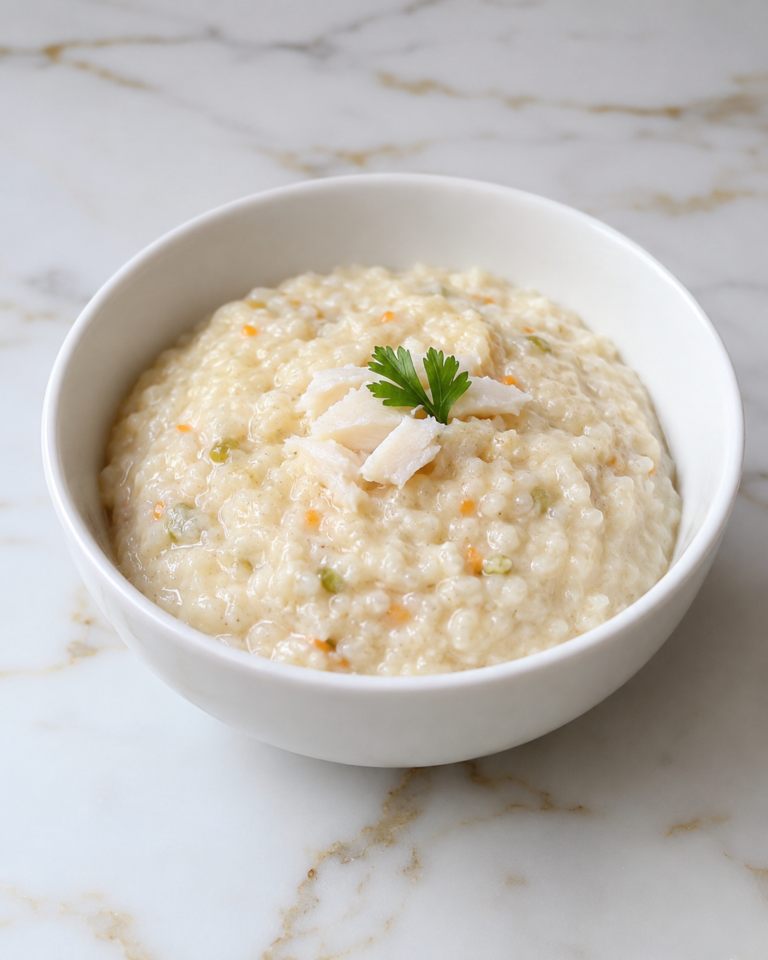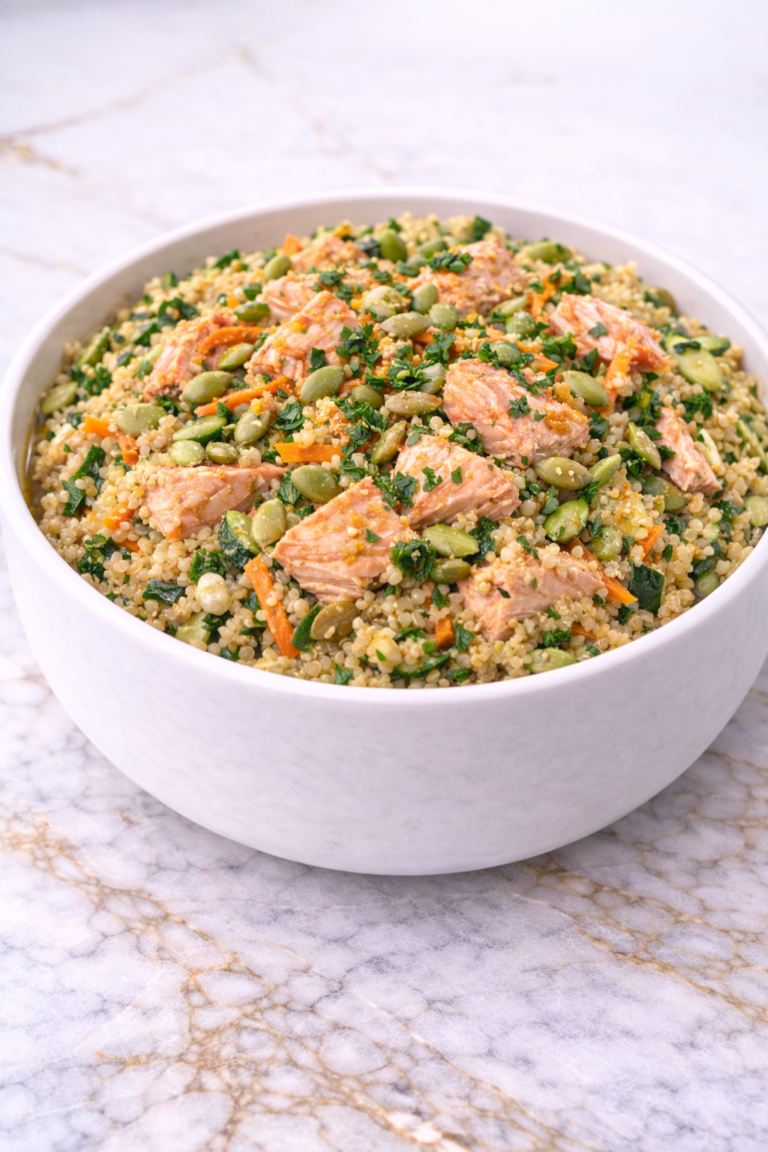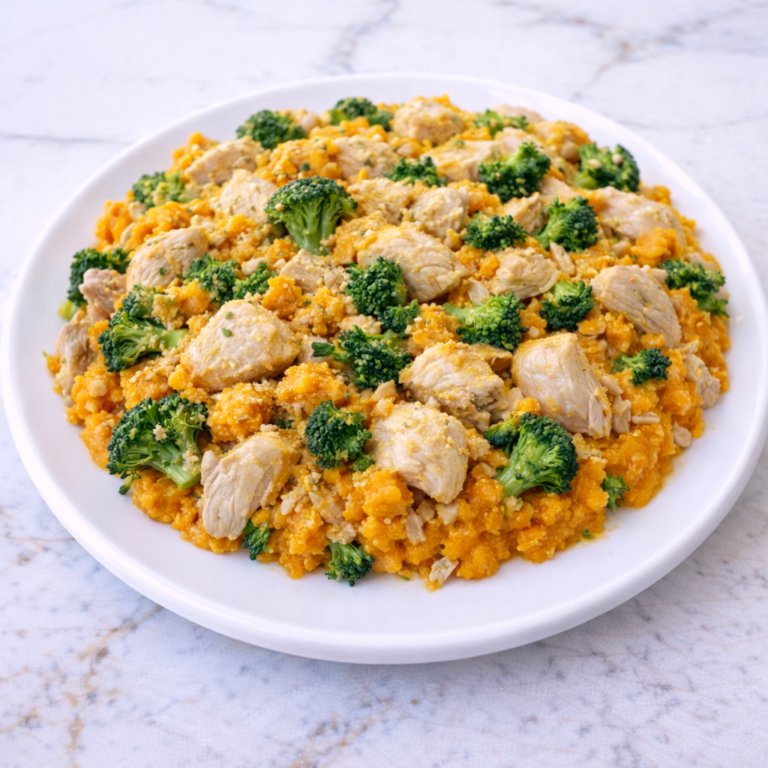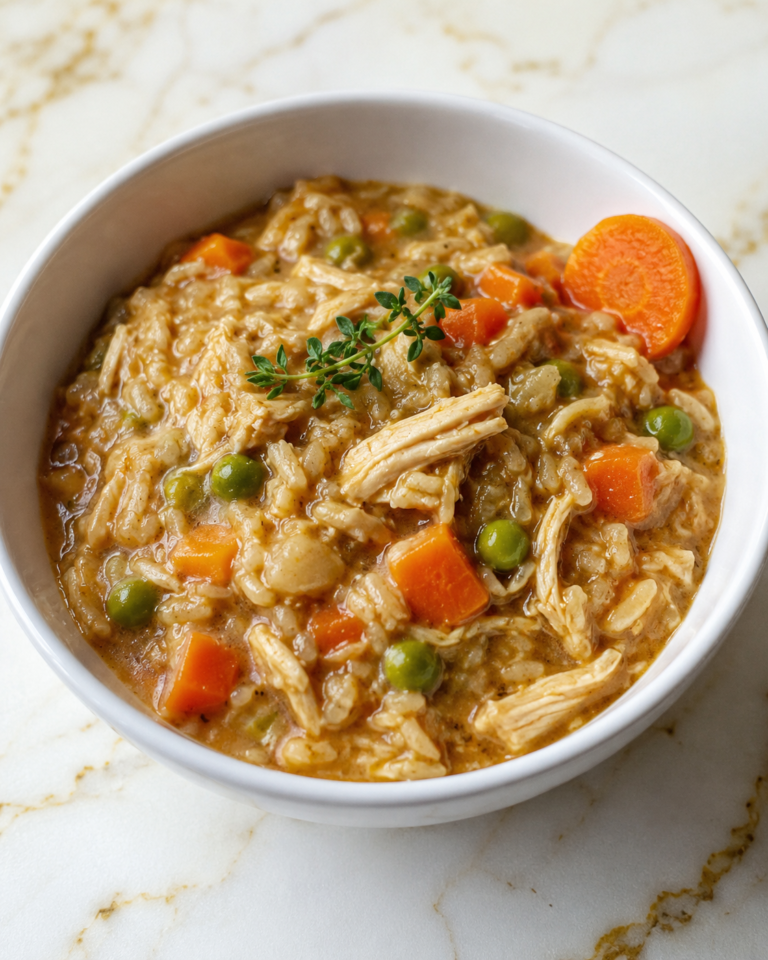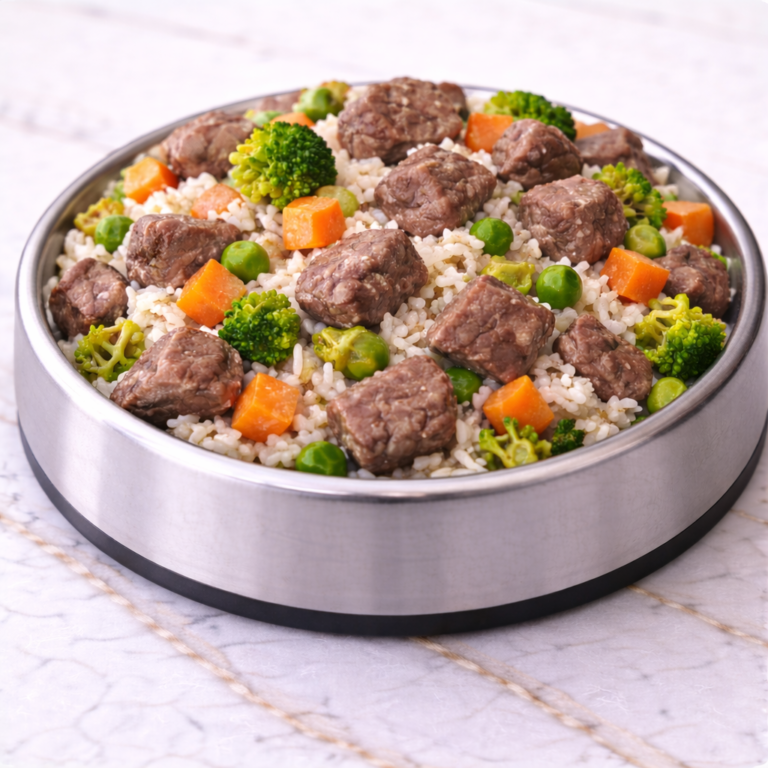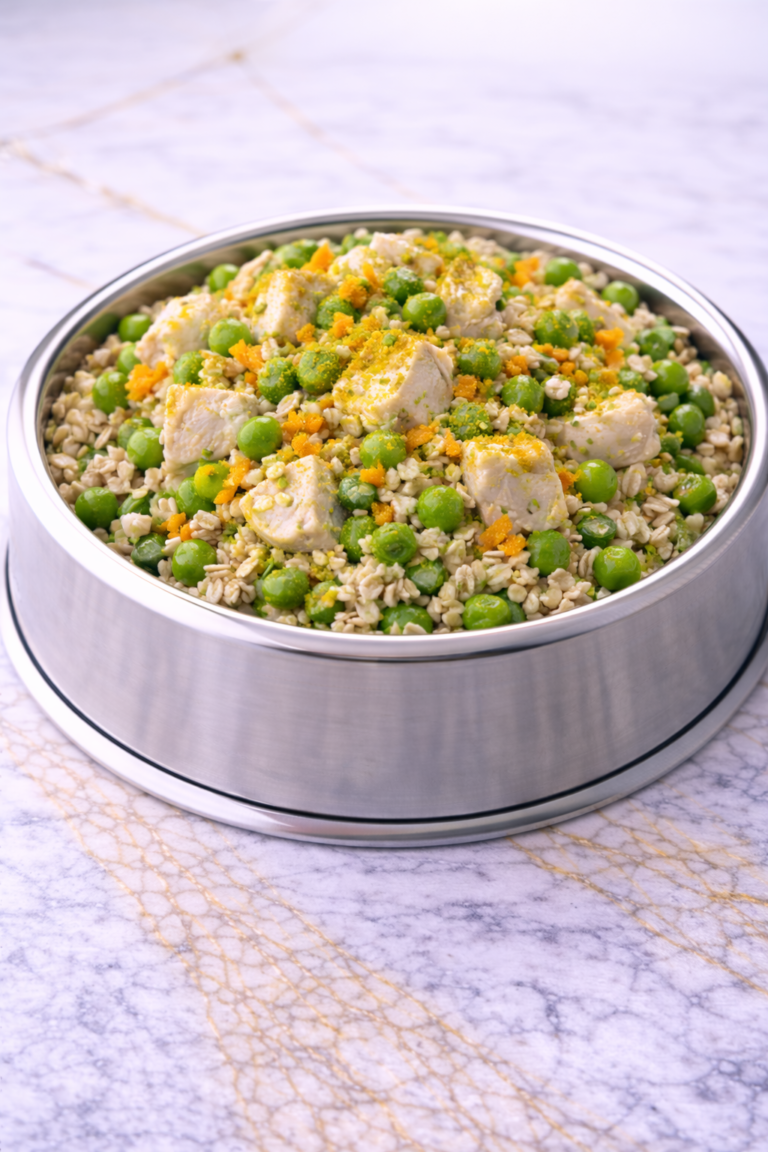

I enjoy preparing fish and vegetable dog food because it feels light, simple, and carefully made. The recipe uses plain fish, tender vegetables, and a soft texture that can fit naturally into a calm feeding routine.
Fish and Vegetable Dog Food feels thoughtful because it focuses on gentle ingredients without sauces, seasoning, butter, or rich add-ins. It is a homemade complementary option, not a complete diet replacement, and it works best when served in moderation alongside your dog’s regular food.
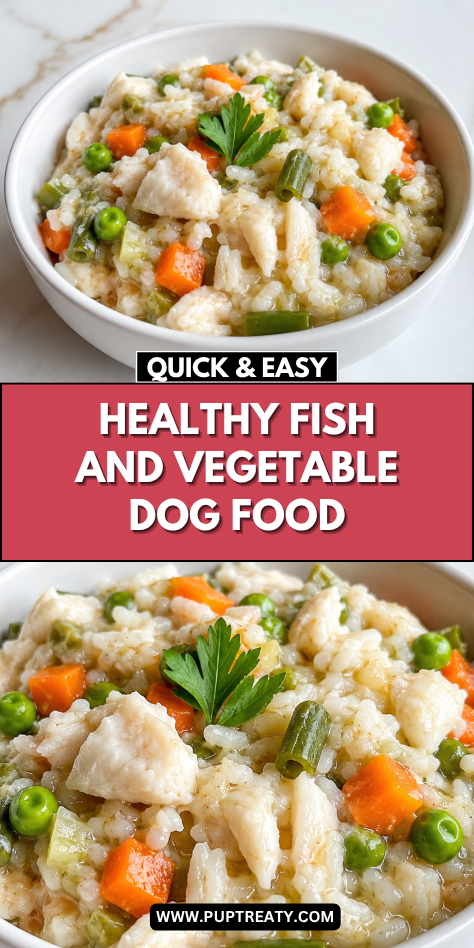
This recipe is especially nice when you want something soft and spoonable with a different aroma than chicken or beef. The fish flakes easily once cooked, and the vegetables soften into a mild mixture that is easy to portion.
I like that this recipe encourages careful, attentive preparation. Checking the fish for bones, chopping the vegetables small, cooling the food fully, and storing it properly all feel like steady acts of everyday care.
Why This Recipe Is Great for Your Dog
This recipe uses simple ingredients that are easy to recognize. Plain white fish, carrots, zucchini, green beans, peas, and pumpkin create a soft homemade mixture without unnecessary extras.
The texture is tender, moist, and easy to spoon into a bowl. From a dog’s perspective, the fish aroma is appealing, while the vegetables create a gentle chew when cooked until soft.
The preparation is approachable for beginner home cooks. The steps focus on chopping, simmering, gently cooking the fish, flaking it carefully, cooling, and portioning.
Dogs often enjoy fish-based recipes because the scent is distinct and savory. The pumpkin helps bring the vegetables together into a soft mixture, while the flaked fish adds small tender pieces throughout.
This recipe also gives you control over consistency. You can leave the vegetables lightly textured, mash them more thoroughly, or add a splash of warm water if your dog prefers a softer finish.
Ingredients
- 1 pound boneless, skinless white fish fillets
- 1 cup carrots, finely diced
- 1 cup zucchini, finely diced
- 1 cup green beans, finely chopped
- 1/2 cup frozen peas
- 1/2 cup plain pumpkin puree
- 1 cup water
- 1 tablespoon chopped fresh parsley
Tools You’ll Need
- Large pot with lid
- Medium skillet with lid
- Cutting board
- Sharp knife
- Vegetable peeler
- Measuring cups
- Measuring spoon
- Wooden spoon
- Fork
- Fine mesh strainer
- Potato masher
- Large cooling-safe bowl
- Airtight storage containers
- Freezer-safe containers or bags
- Refrigerator or freezer space
Pro Tips
Choose boneless, skinless white fish fillets and check them carefully before cooking. Even when fish is labeled boneless, it is still helpful to inspect it again after cooking while flaking.
Use mild white fish such as cod, haddock, or pollock. Avoid breaded fish, smoked fish, salted fish, canned fish with heavy sodium, sauces, marinades, garlic, onion, or seasoning blends.
Cut the vegetables into small, even pieces before cooking. Finely diced carrots, zucchini, and green beans soften more evenly and mix better with the fish.
Cook the fish gently so it stays tender and easy to flake. A covered skillet with a small splash of water works well and avoids the need for oil, butter, or seasoning.
Add peas near the end of cooking so they warm through without becoming overly mushy. This helps the vegetable mixture stay soft while still having a little gentle texture.
Let the food cool completely before serving or storing. Fish and vegetable mixtures can hold warmth in the center, so stir well and check carefully before placing any portion in your dog’s bowl.
How Long This Recipe Takes
Preparation takes about 15 to 20 minutes. This includes washing and chopping the vegetables, measuring the pumpkin and water, checking the fish, and setting out storage containers.
Cooking takes about 25 to 35 minutes. The vegetables need time to soften, and the fish should cook gently until it flakes easily with a fork.
Cooling and portioning usually take another 20 to 30 minutes. This step should not be rushed because soft vegetable mixtures can hold heat in the center.
The full recipe takes about one hour from start to finish. Most of the time is gentle cooking, careful flaking, and cooling, so the process feels calm and manageable.
Make-Ahead Tips
This recipe can be made ahead in small batches for easier feeding routines. Fish-based foods are delicate, so smaller portions are often simpler to store and use within a safe freshness window.
Refrigerate portions you plan to serve within a few days. Store them in airtight containers and use a clean spoon each time you portion from the container.
Freezing is helpful if you do not plan to use the full batch right away. Divide the cooled food into freezer-safe containers or bags so you can thaw only what you need.
Small portions thaw more evenly and make serving easier. Flattening freezer bags slightly can also help the food freeze evenly and save space.
Thaw frozen portions in the refrigerator rather than on the counter. Once thawed, use the food within a couple of days and discard anything with an unusual smell, color, or texture.
Step-by-Step Instructions
Step 1: Prepare the Vegetables
Wash the carrots, zucchini, and green beans, then place them on a clean cutting board. Peel the carrots if desired, then dice the carrots and zucchini finely and chop the green beans into small pieces.
Keep the vegetable pieces similar in size so they cook evenly. Smaller pieces also make the finished food easier to mash, mix, and portion.
Step 2: Measure the Remaining Ingredients
Measure the frozen peas, pumpkin puree, water, and chopped parsley before cooking begins. Having everything ready helps the recipe move calmly from one step to the next.
Check the pumpkin label carefully before using it. Choose plain pumpkin puree only, with no sugar, salt, spices, or pie filling ingredients.
Step 3: Check the Fish
Place the white fish fillets on a clean cutting board or plate. Look over the fish carefully and remove any visible bones or tough pieces.
Use only plain, boneless, skinless fish for this recipe. Avoid fish that is breaded, smoked, seasoned, salted, marinated, or prepared with sauces.
Step 4: Start the Vegetables
Add the carrots, green beans, and water to a large pot. Bring the mixture to a gentle simmer over medium heat.
Once small bubbles appear, reduce the heat to low and cover the pot. Let the firmer vegetables begin softening before adding the quicker-cooking ingredients.
Step 5: Add the Zucchini
After about 8 to 10 minutes, stir in the finely diced zucchini. Cover the pot again and continue cooking on low.
Zucchini softens quickly and blends well into the vegetable mixture. Stir occasionally so the vegetables do not stick to the bottom of the pot.
Step 6: Add the Peas
When the carrots and green beans are nearly tender, stir in the frozen peas. They only need a few minutes to warm through and soften.
Keep the heat low and cover the pot for the final few minutes. The vegetables should be tender, moist, and easy to press with a spoon.
Step 7: Cook the Fish
While the vegetables finish cooking, place the fish fillets in a medium skillet. Add a small splash of water, cover the skillet, and cook over low heat until the fish flakes easily with a fork.
Do not add oil, butter, salt, lemon, garlic, onion, or seasoning. The fish should stay plain, tender, and easy to break into small pieces.
Step 8: Flake and Check the Fish
Transfer the cooked fish to a clean plate and let it cool slightly. Use a fork to flake it into small pieces, checking carefully for any bones as you work.
Take your time with this step because small bones can be easy to miss. Careful flaking helps keep the final food safer and easier to eat.
Step 9: Stir in the Pumpkin
Turn off the heat once the vegetables are fully tender. Add the plain pumpkin puree and stir until it is evenly blended through the vegetables.
The pumpkin should make the mixture soft and spoonable. If it feels too thick, add a small splash of warm water and stir again.
Step 10: Mash the Vegetables
Use a potato masher to lightly mash the vegetable and pumpkin mixture. You do not need to make it completely smooth, but the texture should be soft and easy to serve.
A lightly mashed texture helps the fish mix in more evenly. It also makes portioning simpler for dogs who prefer softer food.
Step 11: Add the Flaked Fish
Add the flaked fish to the pot with the vegetables and pumpkin. Stir gently so the fish stays in small tender flakes rather than becoming overly mashed.
Make sure the fish is evenly distributed throughout the mixture. This helps each portion have a consistent texture and aroma.
Step 12: Add the Parsley
Sprinkle in the chopped fresh parsley and stir gently. Keep the amount small so it blends into the recipe without becoming too strong.
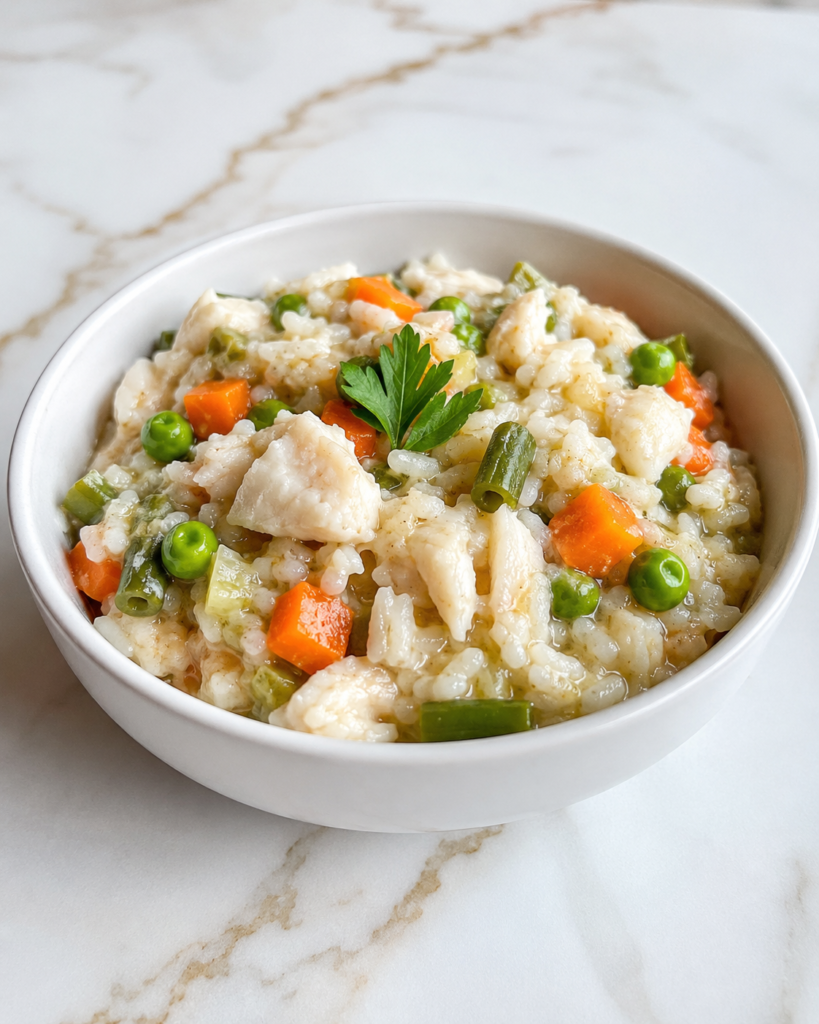
The finished mixture should look soft, moist, and easy to scoop. At this point, it is ready for cooling and portioning.
Step 13: Cool Completely
Transfer the food to a large cooling-safe bowl if you want it to cool more quickly. Spread it slightly so steam can escape from the center.
Let the food cool fully before serving, refrigerating, or freezing. Stir once or twice during cooling and check the center carefully for warmth.
Step 14: Portion for Storage
Divide the cooled food into portions that fit your dog’s routine. Use airtight containers for refrigerator portions and freezer-safe containers or bags for longer storage.
Label freezer portions with the date before storing them. Organized portions make serving easier and help you keep track of freshness.
Nutritional Notes for Dogs
Fish and Vegetable Dog Food is made with plain, simple ingredients that create a soft homemade option for dogs. White fish gives the recipe a light savory base, while the vegetables add gentle variety and texture.
Carrots, zucchini, green beans, and peas each bring a mild flavor to the mixture. When cooked until tender and lightly mashed, they blend smoothly with the fish without creating large or difficult pieces.
Pumpkin helps add moisture and gives the finished food a soft, cohesive consistency. It also helps the vegetables hold together so the mixture is easier to spoon and portion.
Fresh parsley is included in a small amount for a subtle flavor note. It should be finely chopped and used modestly so it does not overpower the gentle fish and vegetable base.
This recipe is intended as a complementary homemade food, not a complete diet replacement. Dogs need balanced nutrition over time, so homemade recipes should fit into a broader feeding routine.
Moderation is important when serving fish-based homemade food. Start with small portions, keep servings consistent, and observe how your dog responds before making it a more regular part of mealtime.
Ingredient Swaps and Variations
Dairy-free: This recipe is naturally dairy-free because it does not include milk, cheese, yogurt, butter, or cream. Keep it dairy-free by cooking the fish and vegetables with water and avoiding creamy sauces or dairy-based add-ins.
Grain-free: This recipe is naturally grain-free as written because it does not use rice, oats, wheat, or other grains. Keep any add-ins plain and avoid grain-based thickeners if you want to maintain that style.
Flavor variation: Use plain cooked salmon instead of white fish for a richer fish variation. Make sure it is fully cooked, boneless, skinless, and free from seasoning, garlic, onion, sauces, or heavy salt.
Texture adjustment: Mash the vegetables more thoroughly for a softer consistency. Leave the fish in small flakes if your dog enjoys a gentle chew and can comfortably manage the texture.
Mini version: Cut all ingredients in half for a smaller batch. This is helpful when trying the recipe for the first time or preparing food for a small dog.
How to Serve Safely
Portion size should be based on your dog’s size, regular diet, and how this recipe fits into the day. Small dogs may only need a tablespoon or two as a topper, while medium and large dogs may have a larger spooned portion alongside regular food.
Serve the food fully cooled to room temperature or gently chilled from the refrigerator. Fish and vegetable mixtures can hold warmth in the center, especially when pumpkin is mixed in, so stir well and check the temperature before serving.
Supervise your dog when offering this recipe for the first time. This helps you observe eating pace, comfort with the texture, and whether the serving size seems appropriate.
This recipe can be served as a meal topper, an occasional homemade portion, or a batch-prepped addition to a regular bowl. It works best when introduced gradually and served in a consistent routine.
Moderation helps keep homemade food balanced with your dog’s usual meals. Even simple fish and vegetable recipes should be offered thoughtfully rather than used to replace a complete feeding plan without careful guidance.
Common Mistakes to Avoid
Using fish with bones can make the recipe unsafe. Choose boneless fillets and check the fish carefully before cooking and again while flaking it.
Choosing seasoned or prepared fish can make the food unsuitable for dogs. Avoid breaded fish, smoked fish, salted fish, sauces, marinades, garlic, onion, lemon seasoning, and spice blends.
Cooking the fish over high heat can make it dry and tough. Cook it gently with a small splash of water so it stays tender and easy to flake.
Leaving vegetables too large can create an uneven texture. Dice carrots, zucchini, and green beans finely so they soften fully and blend smoothly into the finished food.
Adding peas too early can make them overly soft and dull. Stir them in near the end so they warm through without breaking down too much.
Skipping the bone check after cooking can be risky. Flake the fish slowly with a fork and look carefully through every piece before mixing it into the vegetables.
Serving the food before it cools can be uncomfortable for your dog. Stir well and check the center carefully because pumpkin and vegetables can hide warm spots.
Freezing the full batch in one large container can make thawing inconvenient. Divide the cooled food into smaller portions so you can thaw only what you need.
Storage and Freshness Tips
This recipe contains cooked fish, pumpkin, and vegetables, so room-temperature storage should be brief. Once the food has cooled completely, transfer it into airtight containers and refrigerate or freeze it.
Refrigerated portions are best used within 2 to 3 days. Fish-based foods can be more delicate than some meat-based recipes, so keep containers sealed and well chilled.
Use a clean spoon each time you portion the food. This helps maintain freshness and prevents crumbs or extra moisture from getting into the stored container.
Freezing is a practical option if you do not plan to use the batch quickly. Divide the cooled food into single-serving or small multi-serving portions before placing it in the freezer.
Frozen portions are best used within about 2 months for quality. Label each container or freezer bag with the date so you can use older portions first.
Thaw frozen food in the refrigerator rather than on the counter. Once thawed, use it within a couple of days and avoid repeatedly thawing and refreezing the same portion.
Check stored food carefully before serving it to your dog. Discard it if you notice a sour smell, overly strong fishy odor, visible mold, unusual sliminess, excess liquid separation, or any change that seems unsafe.
FAQs
Can Fish and Vegetable Dog Food replace regular dog food?
This recipe is intended as a complementary homemade option, not a complete diet replacement. It can be served in moderation alongside your dog’s usual balanced feeding routine.
What kind of fish should I use?
Use plain boneless, skinless white fish such as cod, haddock, or pollock. Avoid fish with seasoning, breading, sauces, heavy salt, garlic, or onion.
Can I use canned fish?
Plain canned fish may work if it is packed in water and has no added salt or seasoning. Check carefully for bones and drain it well before mixing.
Can I add rice to this recipe?
You can add a small amount of plain cooked rice if your dog already tolerates it. Keep the portion modest and adjust moisture so the food stays easy to spoon.
Is pumpkin required?
Pumpkin helps add moisture and softness, but it can be left out if needed. Add a small splash of warm water if the mixture feels too thick without it.
How should I introduce this food?
Start with a small spoonful mixed into your dog’s regular food. Keep the serving modest and observe your dog’s normal routine before offering more.
Can I warm this food before serving?
You can gently warm refrigerated portions, but do not serve them hot. Stir well and check the center for warm spots before placing it in your dog’s bowl.
A Gentle Fish and Vegetable Bowl
Fish and Vegetable Dog Food is a soft, practical recipe made with plain fish, tender vegetables, pumpkin, and careful portioning. When served in moderation as part of a steady feeding routine, it can bring a light homemade touch to your dog’s bowl while keeping preparation, serving, and storage calm and manageable.