
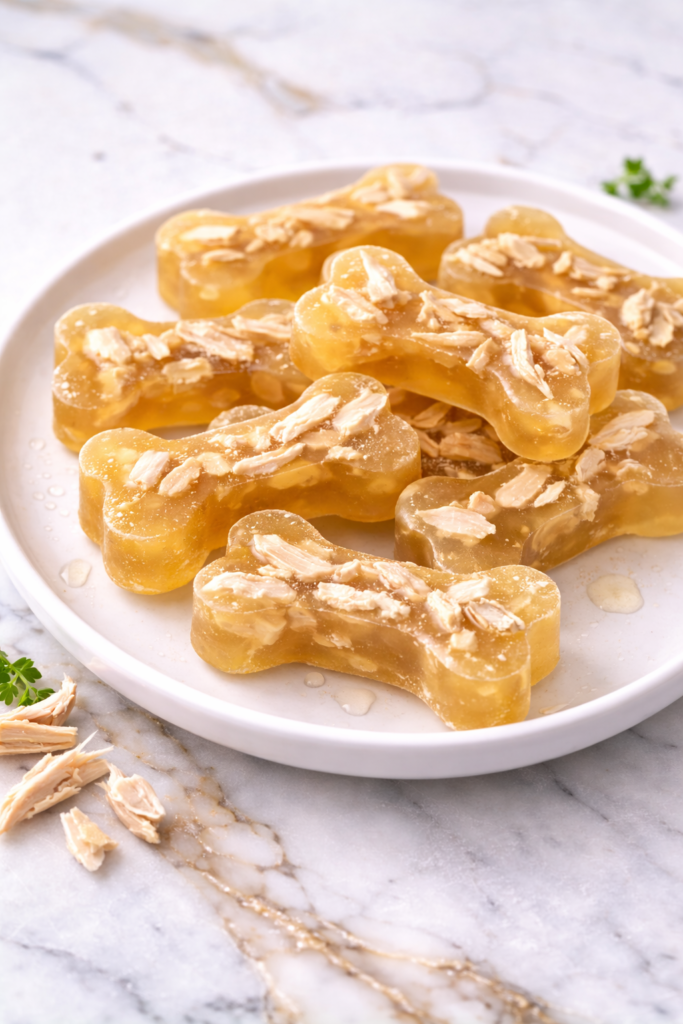
Preparing simple homemade treats for dogs can become a thoughtful part of everyday care. Frozen chicken broth dog treats are especially appealing because they require very few ingredients and minimal preparation. With a cool texture and light savory flavor, these treats can be a refreshing option during warmer days.
I enjoy making frozen dog treats because they are quick to prepare and easy to store. The process usually involves mixing a few ingredients, pouring the mixture into molds, and letting the freezer do the rest of the work. This makes it simple to prepare a batch ahead of time and keep it ready whenever a cool snack feels appropriate.
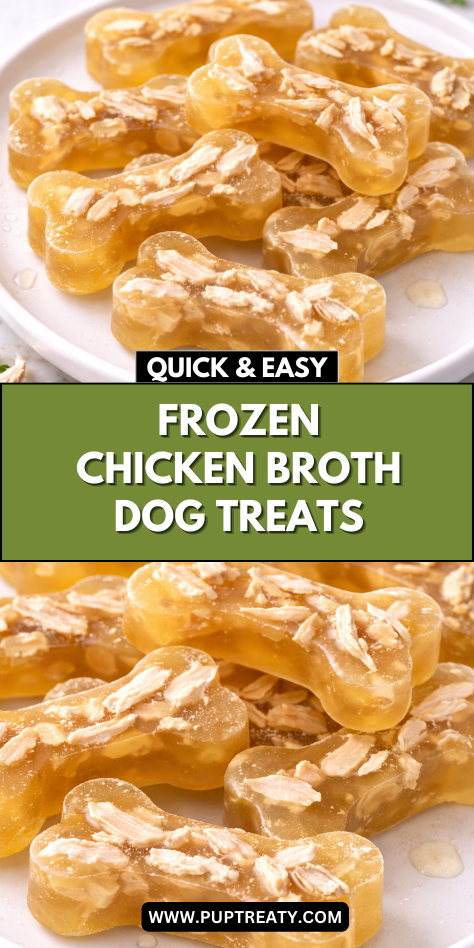
Chicken broth works particularly well in frozen recipes for dogs. Its mild savory flavor can make frozen treats appealing without requiring complicated ingredients. When combined with simple additions like vegetables or herbs, it can create a balanced frozen snack.
Another reason this recipe feels practical is how easy it is to portion the treats. Using silicone molds or ice cube trays allows the mixture to freeze into small shapes that suit different dog sizes. Smaller pieces can be offered more frequently, while larger pieces can be reserved for occasional snacks.
Frozen treats can also create small moments of connection during the day. Dogs often notice when something new is being prepared in the kitchen and may become curious about the process. Those moments of anticipation can become part of the routine that surrounds treat time.
Keeping frozen treats in the freezer can also make everyday routines easier. After outdoor activity or during warm weather, a cool snack can provide a refreshing change from typical dry treats.
Why This Recipe Is Great for Your Dog
One of the most appealing aspects of this recipe is its simplicity. The ingredients are minimal and easy to prepare, which makes the process approachable for many dog owners.
The texture of frozen broth treats is quite different from baked biscuits. Once frozen, the mixture forms a solid but icy treat that dogs can lick slowly. This gradual experience can make treat time last longer.
Preparation is also very straightforward. The broth mixture is simply poured into molds and frozen until solid. Because there is no baking or cooking involved, the process remains quick and convenient.
Dogs often respond well to the savory scent of chicken broth. The familiar aroma can make frozen treats especially appealing to dogs that prefer meat-based flavors.
Another advantage of frozen treats is how well they store. Once frozen, they can remain in the freezer until needed, allowing a batch to be prepared ahead of time and served gradually.
Ingredients
- 2 cups low-sodium chicken broth (unsalted and onion-free)
- ½ cup cooked shredded chicken
- ¼ cup finely chopped carrots
- 2 tablespoons chopped parsley
- 2 tablespoons water
Tools You’ll Need
- Mixing bowl
- Measuring cups
- Measuring spoons
- Cutting board
- Knife
- Spoon or spatula
- Silicone molds or ice cube tray
- Baking sheet or tray for stability
- Freezer-safe storage container
Pro Tips
Choose a chicken broth that contains no added salt, onion, or garlic. These ingredients are commonly found in commercial broths but should be avoided in recipes for dogs.
Finely chop the vegetables so they distribute evenly throughout the mixture. Smaller pieces freeze more evenly and help the treats hold their structure.
Shred the cooked chicken into small pieces before mixing it with the broth. This helps ensure each treat contains a balanced portion of ingredients.
Place the molds on a flat tray before filling them. This makes it easier to move the molds into the freezer without spilling the mixture.
Fill the molds evenly so the treats freeze into consistent portions. This can make serving easier later.
Allow the treats to freeze completely before removing them from the molds. Fully frozen treats maintain their shape and store more easily.
How Long This Recipe Takes
Preparing the ingredients usually takes about ten to fifteen minutes. This includes shredding the cooked chicken and chopping the vegetables into small pieces.
Mixing the broth and filling the molds generally takes another five to ten minutes. Once the mixture is ready, it can be poured directly into the molds.
Freezing requires the most time in the process. Most frozen treats need approximately three to four hours in the freezer to become completely solid.
Although the freezing time is several hours, the active preparation time remains short. This makes the recipe convenient for busy days.
Once the treats are fully frozen, they can be removed from the molds and transferred into a storage container. Having them ready in the freezer makes serving simple.
Make-Ahead Tips
Frozen dog treats are well suited for advance preparation. A batch can be made ahead of time and stored in the freezer until needed.
Preparing a larger batch can be helpful for households with multiple dogs. Doubling the ingredients allows more treats to be prepared at once.
After the treats freeze completely, transfer them into airtight freezer-safe containers or bags. This helps prevent freezer odors from affecting their flavor.
Portioning the treats into smaller containers can make serving easier. Only the needed amount can be removed while the rest remain frozen.
When serving frozen treats, remove only the number required and return the remaining treats to the freezer promptly. This helps maintain their texture.
Step-by-Step Instructions
Step 1: Prepare the Ingredients
Measure the chicken broth and water into a mixing bowl. Ensure the broth contains no onion, garlic, or added salt.
Finely chop the carrots and parsley on a cutting board. Shred the cooked chicken into small pieces.
Step 2: Combine the Ingredients
Add the shredded chicken, chopped carrots, and parsley to the bowl with the broth. Stir the mixture gently until the ingredients are evenly distributed.
This helps ensure that each frozen treat contains a balanced portion of ingredients.
Step 3: Prepare the Molds
Place silicone molds or an ice cube tray onto a flat baking sheet. This helps keep the molds stable while filling them.
Make sure the molds are clean and dry before pouring in the mixture.
Step 4: Fill the Molds
Carefully pour the broth mixture into each mold cavity. Fill the molds evenly so the treats freeze into consistent portions.
Use a spoon if needed to distribute the chicken and vegetables evenly.
Step 5: Transfer to the Freezer
Move the baking sheet with the filled molds carefully into the freezer. Place it on a flat shelf to keep the mixture level.
Keeping the molds stable helps prevent spills before the mixture begins freezing.
Step 6: Freeze Until Solid
Allow the treats to freeze for approximately three to four hours. They should feel firm and completely frozen when touched.
Freezing time may vary slightly depending on mold size and freezer temperature.
Step 7: Remove and Store
Once the treats are frozen solid, gently remove them from the molds. Transfer them into a freezer-safe container or storage bag.
Keep the treats sealed in the freezer until ready to serve.
Ingredient Swaps and Variations
- Dairy-free: This recipe is naturally dairy-free when made with plain chicken broth and fresh ingredients. Always check packaged broth to confirm that no dairy ingredients have been added.
- Grain-free: The base of this recipe is already grain-free. Avoid adding grains or fillers if you want to keep the recipe suitable for dogs that follow grain-free diets.
- Flavor variation: Small amounts of finely chopped spinach, green beans, or peas can be added in place of carrots. These vegetables mix well with broth and freeze evenly.
- Texture adjustment: For a smoother frozen treat, blend the broth mixture briefly before pouring it into the molds. For a chunkier texture, leave the shredded chicken and vegetables intact.
- Mini version: Use small silicone molds or mini ice cube trays to create bite-sized frozen treats. Smaller portions can be helpful for frequent rewards or smaller dogs.
Nutritional Notes for Dogs
Chicken broth is often used in homemade dog recipes because of its mild flavor and aroma. When prepared without added salt, onion, or garlic, it can be a simple base for frozen dog treats.
The addition of shredded chicken helps provide a savory flavor that many dogs recognize and enjoy. When chopped into small pieces, the chicken distributes evenly through the frozen mixture.
Carrots contribute gentle sweetness and a small amount of natural fiber. When finely chopped, they freeze easily within the broth mixture and help add texture to the treats.
Parsley is sometimes used in small amounts in homemade dog recipes. When finely chopped, it blends easily with the other ingredients and adds a light herbal flavor.
Homemade frozen treats should always be offered as occasional snacks rather than as a primary food source. Maintaining moderation helps keep feeding routines balanced.
How to Serve Safely
Portion size should always match the size and chewing habits of the dog receiving the treat. Small dogs generally benefit from smaller frozen pieces, while larger dogs may comfortably handle slightly larger portions.
Supervising dogs during treat time helps ensure they enjoy the frozen texture comfortably. Observing how a dog interacts with a frozen treat can help determine whether the portion size is appropriate.
Frozen broth treats can be especially enjoyable during warm weather. Offering them after outdoor activity or during quiet indoor moments can help dogs enjoy them slowly.
Some dogs prefer to lick frozen treats rather than bite them immediately. This slower approach can make the treat last longer and help reduce the chance of swallowing large pieces.
Moderation is important when offering frozen snacks. Even simple treats like these should remain a small addition to a dog’s regular feeding routine.
Common Mistakes to Avoid
One common mistake is using chicken broth that contains onion, garlic, or excessive sodium. Many commercial broths include these ingredients, so it is important to check labels carefully.
Another issue occurs when vegetables are not chopped finely enough. Large pieces may settle unevenly in the molds or become harder for dogs to chew once frozen.
Overfilling the molds can lead to spills when transferring them to the freezer. Leaving a small space at the top of each mold helps prevent this problem.
Removing the treats from the freezer too early may cause them to break apart. Allowing enough time for the treats to freeze completely helps them hold their shape.
Improper storage can also affect the texture and flavor of the treats. Leaving them uncovered in the freezer may cause them to absorb odors from other foods.
Serving pieces that are too large for smaller dogs may make them harder to manage. Adjusting portion size helps ensure the treats remain easy to enjoy.
Storage and Freshness Tips
Frozen chicken broth dog treats should always be stored in the freezer. After removing them from the molds, place them in airtight freezer-safe containers or bags.
Sealed containers help prevent the treats from absorbing odors from other frozen foods. They also help reduce the formation of ice crystals on the surface.
Dividing the treats into smaller storage portions can make them easier to manage. This allows only the needed amount to be removed while the rest remain frozen.
Frozen treats typically maintain their quality for several weeks when stored properly. Keeping the freezer at a consistent temperature helps preserve their texture.
Before serving, briefly inspect the treats for signs of freezer burn or unusual odor. Although frozen foods last longer than fresh ones, checking quality is still helpful.
Returning the container to the freezer promptly after removing a portion helps maintain freshness and texture.
FAQs
Can dogs safely eat frozen chicken broth treats?
Yes, frozen chicken broth treats can be safe when prepared with dog-friendly ingredients. The broth should be free from onion, garlic, and excess salt. Using plain ingredients helps keep the recipe simple and appropriate.
What type of chicken broth should be used?
Low-sodium chicken broth without onion or garlic is the best option for this recipe. Many store-bought broths contain added ingredients that may not be suitable for dogs. Reading the label carefully helps ensure the broth is appropriate.
How long should frozen treats freeze before serving?
Most frozen dog treats require about three to four hours to become completely solid. Larger molds may require slightly longer freezing time. Fully frozen treats are easier to remove from molds and store.
Can these treats be made without chicken pieces?
Yes, the broth can be frozen on its own if you prefer a simpler treat. The shredded chicken mainly adds texture and flavor. Removing it will not prevent the treats from freezing properly.
Can I add other vegetables to this recipe?
Yes, small amounts of vegetables such as peas, green beans, or spinach can be added. These ingredients should be finely chopped to ensure even distribution throughout the mixture.
Are frozen treats suitable for training?
Because frozen treats take longer to eat, they are usually better suited for calm reward moments rather than fast-paced training sessions. Small frozen pieces may still work for occasional reinforcement.
How long can frozen dog treats be stored?
Frozen dog treats can generally be stored for several weeks when kept in airtight containers. Proper storage helps protect them from freezer burn and odor absorption.
A Cool and Savory Treat for Everyday Care
Frozen chicken broth dog treats offer a simple and refreshing way to prepare a homemade snack for dogs. With minimal preparation and a few basic ingredients, the recipe is easy to incorporate into regular kitchen routines.
Once stored properly in the freezer, these treats can be ready whenever a cool reward feels appropriate. Their mild savory flavor and icy texture make them a gentle addition to occasional treat time.