
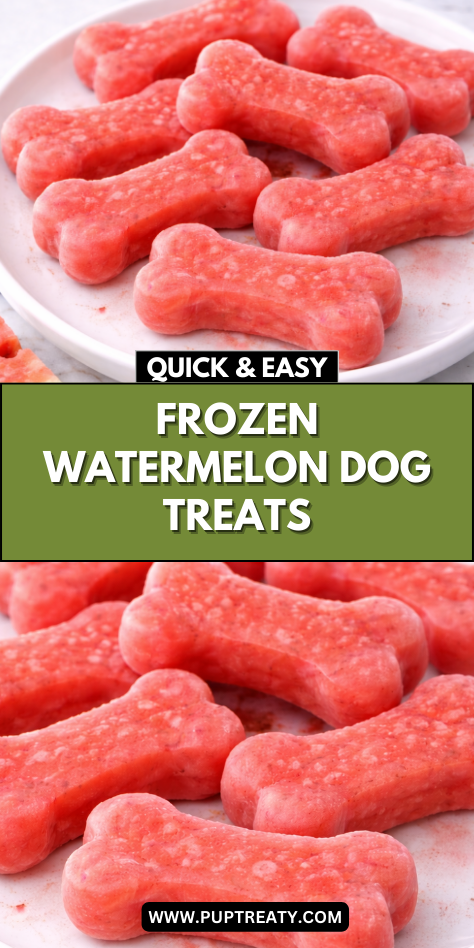
Preparing simple frozen snacks for dogs can be a refreshing way to add variety to everyday care. Frozen watermelon dog treats are especially appealing because they require only a few ingredients and minimal preparation. With their naturally hydrating base and cool texture, they can be a pleasant option during warm weather.
I enjoy making frozen treats like these because they are quick and uncomplicated. The preparation involves blending fresh fruit and freezing it into small portions, which makes the process feel calm and manageable. Even with a busy schedule, it is easy to prepare a batch and store it for later use.
Watermelon works particularly well in frozen recipes. Its high water content creates a smooth, icy texture once frozen, and its mild sweetness blends naturally with other simple ingredients. Many dogs seem to enjoy the refreshing taste and the cool sensation.
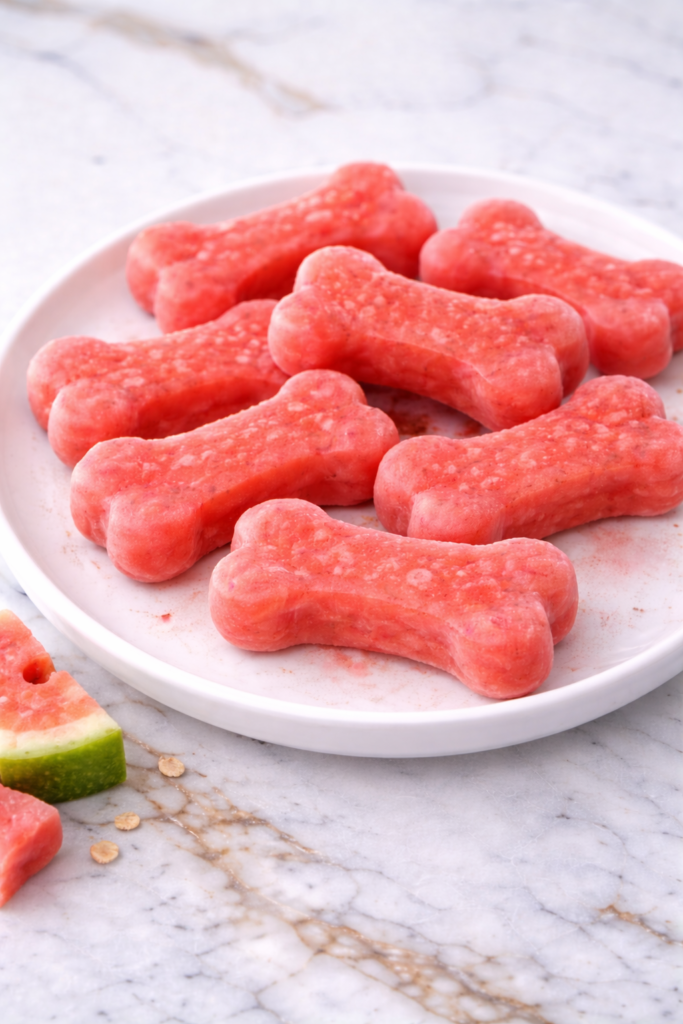
Another reason this recipe feels special is how easily it can be portioned. The mixture can be frozen in small molds or ice cube trays, allowing the treats to be sized appropriately for different dogs. Smaller portions work well for training rewards, while slightly larger pieces can be offered as occasional snacks.
Homemade frozen treats can also create small moments of connection during daily routines. Dogs often become curious when they notice something new being prepared in the kitchen. Those moments of anticipation can become part of the rhythm of caring for them.
Keeping a batch of frozen treats in the freezer can also make warm days more comfortable. Having a cool snack available after outdoor activity or during a quiet afternoon adds a thoughtful touch to everyday routines.
Why This Recipe Is Great for Your Dog
One of the most appealing aspects of this recipe is its simplicity. The ingredients are few and easy to recognize, which helps make the preparation process approachable. Many households already have these ingredients available.
The texture of frozen watermelon treats offers a different experience from baked biscuits. Once frozen, the mixture becomes firm but slightly icy, creating a cool snack that dogs can lick or chew slowly. This texture can make treat time feel refreshing and engaging.
Preparation is also very straightforward. The ingredients are blended together and poured into molds before freezing. Because no baking is required, the process remains quick and uncomplicated.
Dogs often respond well to the gentle sweetness of fruit-based treats. Watermelon provides a mild flavor that many dogs find pleasant without being overwhelming.
Another benefit of frozen treats is their convenience for storage. Once frozen, the treats can remain in the freezer until needed. This allows a batch to be prepared ahead of time and used gradually.
Ingredients
- 2 cups seedless watermelon, cubed
- ½ cup plain unsweetened yogurt
- 1 tablespoon unsweetened applesauce
- 1 tablespoon water
Tools You’ll Need
- Cutting board
- Knife
- Mixing bowl
- Blender or food processor
- Measuring cups
- Measuring spoons
- Spoon or spatula
- Silicone molds or ice cube tray
- Baking sheet or tray for stability
- Freezer-safe storage container
Pro Tips
Choose ripe, seedless watermelon for the best flavor and texture. Removing seeds completely is important before blending the fruit.
Cut the watermelon into small cubes before blending. Smaller pieces blend more easily and help create a smoother mixture.
Blend the ingredients until the texture becomes fully smooth. A well-blended mixture freezes more evenly and produces a more consistent treat.
Use silicone molds or small ice cube trays to control portion sizes. Smaller molds create bite-sized treats that are convenient for serving.
Place the filled molds on a baking sheet before moving them to the freezer. This keeps them stable and prevents spills while transferring.
Allow the treats to freeze completely before removing them from the molds. Fully frozen treats maintain their shape and store more easily.
How Long This Recipe Takes
Preparing the ingredients generally takes about ten minutes. This includes cutting the watermelon into cubes and measuring the yogurt and applesauce.
Blending the mixture and filling the molds typically requires another five to ten minutes. The mixture comes together quickly once everything is measured and ready.
Freezing takes the longest amount of time. Most frozen treats require about three to four hours in the freezer to become completely solid.
Although the freezing process takes several hours, the hands-on preparation time is quite short. This makes the recipe convenient even on busy days.
Once the treats are fully frozen, they can be transferred to a storage container. Keeping them ready in the freezer makes serving quick and simple.
Make-Ahead Tips
Frozen dog treats are ideal for advance preparation. A batch can be made ahead of time and stored in the freezer until needed.
Preparing larger batches can be helpful for households with multiple dogs. Doubling the ingredients allows you to fill more molds while using the same preparation process.
After the treats freeze completely, transfer them into airtight freezer-safe containers or bags. This helps protect them from absorbing freezer odors.
Portioning the treats into smaller storage containers can make serving easier. Only the amount needed can be removed while the rest remain frozen.
When serving frozen treats, remove only the number required and return the remaining pieces to the freezer promptly. This helps maintain their texture and quality.
Step-by-Step Instructions
Step 1: Prepare the Watermelon
Cut the watermelon into small cubes and remove any seeds that may remain. Using seedless watermelon helps simplify the preparation process.
Inspect the fruit carefully while cutting to ensure no seeds remain. Removing seeds is an important safety step when preparing dog treats.
Step 2: Blend the Ingredients
Place the watermelon cubes into a blender or food processor. Add the plain yogurt, applesauce, and water.
Blend the ingredients until the mixture becomes smooth and evenly combined. The final mixture should have a light and slightly creamy consistency.
Step 3: Prepare the Molds
Place silicone molds or an ice cube tray onto a flat baking sheet. This helps keep the molds stable while filling and transferring them.
Ensure the molds are clean and completely dry before adding the mixture. Proper preparation helps the frozen treats release more easily later.
Step 4: Fill the Molds
Carefully pour the blended mixture into each mold cavity. Fill them evenly so the treats freeze into consistent portions.
Use a spoon or spatula to smooth the tops if necessary. Level surfaces help the treats freeze neatly.
Step 5: Transfer to the Freezer
Move the baking sheet with the filled molds carefully into the freezer. Place it on a flat shelf so the mixture remains level.
Keeping the molds stable helps prevent spills before the mixture begins to freeze.
Step 6: Freeze Until Solid
Allow the treats to freeze for approximately three to four hours. They should feel firm and completely solid when touched.
Freezing time may vary depending on mold size and freezer temperature. Ensuring the treats are fully frozen helps them maintain their shape.
Step 7: Remove and Store
Once frozen solid, gently remove the treats from the molds. Transfer them into a freezer-safe container or bag for storage.
Keep the treats sealed in the freezer until they are ready to be served.
Ingredient Swaps and Variations
- Dairy-free: Replace the yogurt with plain unsweetened coconut yogurt or another dog-safe dairy-free yogurt alternative. Always check that the product contains no added sugars or artificial sweeteners.
- Grain-free: This recipe is naturally grain-free when made with simple fruit and yogurt ingredients. Always review packaged ingredients to confirm they do not contain grain-based fillers.
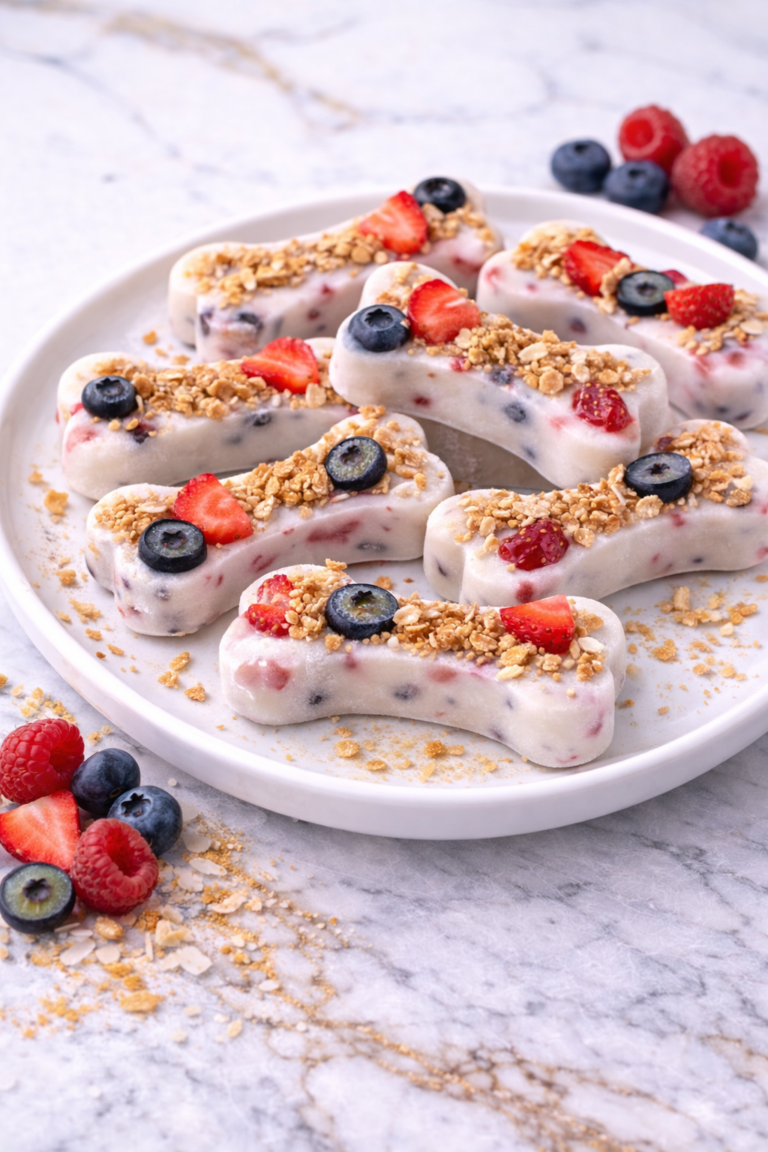
- Flavor variation: Small portions of strawberries or blueberries can be blended with the watermelon for a slightly different fruit flavor. These fruits mix well and freeze into a smooth texture.
- Texture adjustment: For a smoother frozen treat, blend the mixture longer until completely creamy. For a slightly chunkier texture, pulse the fruit briefly rather than blending it fully.
- Mini version: Use very small silicone molds or ice cube trays to create tiny frozen bites. Smaller pieces work well for training rewards or for dogs that prefer smaller snacks.
Nutritional Notes for Dogs
Watermelon is commonly used in homemade dog treats because of its high water content and mild flavor. When blended and frozen, it creates a light icy texture that can feel refreshing during warm weather.
Plain unsweetened yogurt provides a creamy base for the frozen mixture. It helps balance the texture of the fruit and allows the treats to freeze into smooth and stable shapes.
Applesauce adds a small amount of moisture and natural sweetness that blends well with fruit-based recipes. Choosing unsweetened applesauce helps keep the ingredient list simple.
Because watermelon contains a large amount of water, frozen treats made with it are naturally light in texture. This can make them appealing during warmer seasons when dogs may appreciate cooler snacks.
Homemade frozen treats are best offered as occasional additions to a dog’s regular meals. Offering them in moderation helps maintain a balanced feeding routine.
How to Serve Safely
Portion size should always match the size and chewing habits of the dog. Smaller dogs typically benefit from smaller frozen pieces, while larger dogs may comfortably handle slightly bigger portions.
Supervising dogs during treat time can help ensure they enjoy the frozen texture safely. Observing how they lick or chew the treat helps confirm that the portion size is appropriate.
Frozen treats can be particularly enjoyable after outdoor activity or during warm afternoons. Offering them during calm moments helps dogs enjoy the treat slowly.
Because frozen treats are firm, some dogs may prefer to lick them rather than bite them immediately. This slower pace can make the treat last longer.
Moderation remains important when offering any type of treat. Even refreshing snacks like these should remain a small addition to a dog’s regular feeding routine.
Common Mistakes to Avoid
One common mistake is forgetting to remove watermelon seeds before blending. Seeds should always be removed to ensure the treat mixture remains safe for dogs.
Another issue occurs when flavored or sweetened yogurt is used instead of plain yogurt. Many flavored yogurts contain added sugars or ingredients that are not suitable for dogs.
Overfilling molds can cause spills when transferring them to the freezer. Leaving a small space at the top of each mold helps prevent mess.
Freezing the treats for too short a time may leave them soft in the center. Allowing enough time for full freezing helps the treats maintain their shape.
Improper storage can also affect texture. Leaving frozen treats uncovered in the freezer may cause them to absorb odors from other foods.
Using pieces that are too large for smaller dogs may make the treats harder to manage. Adjusting portion size helps ensure the treats remain easy to serve.
Storage and Freshness Tips
Frozen watermelon dog treats should always be stored in the freezer. Once the treats are removed from the molds, place them into airtight freezer-safe containers.
Sealed containers help protect the treats from absorbing freezer odors. They also help prevent ice crystals from forming on the surface.
Dividing the treats into smaller storage portions can make them easier to manage. Removing only a small amount at a time helps maintain the quality of the remaining treats.
Frozen treats generally keep well for several weeks when stored properly. Maintaining a consistent freezer temperature helps preserve their texture.
Before serving, briefly inspect the treats for signs of freezer burn or unusual odor. While frozen foods last longer than fresh foods, checking quality is still helpful.
Returning the container to the freezer promptly after removing a portion helps maintain consistent texture and freshness.
FAQs
Can dogs safely eat watermelon in frozen treats?
Yes, watermelon can be used in homemade dog treats when it is prepared properly. Seeds should always be removed before blending the fruit. When frozen, watermelon creates a light and refreshing treat.
Do these treats need yogurt?
Yogurt helps create a smoother frozen texture and blends well with fruit. However, the recipe can still work without it if another dog-safe ingredient is used to maintain the mixture.
How long should frozen dog treats freeze before serving?
Most frozen treats need about three to four hours to become completely solid. Larger molds may require slightly more time. Ensuring the treats are fully frozen helps them hold their shape.
Can these treats be made without applesauce?
Yes, applesauce mainly adds moisture and mild sweetness. If needed, a small amount of additional watermelon or yogurt can be used instead.
Are frozen treats suitable for training?
They can be used occasionally during training if shaped into very small pieces. Because they are frozen, they may be better suited for calm moments rather than fast-paced training sessions.
Can I mix other fruits with watermelon?
Yes, fruits like strawberries or blueberries can be blended with watermelon to create different flavors. The mixture should remain smooth so the treats freeze evenly.
How long can frozen dog treats be stored?
Frozen treats typically remain usable for several weeks when stored in airtight containers. Keeping them sealed helps protect them from freezer burn and odor transfer.
A Refreshing Frozen Treat for Warm Days
Frozen watermelon dog treats provide a simple and refreshing option that can be prepared with only a few ingredients. Their cool texture and mild fruit flavor make them a gentle addition to occasional treat time.
Once stored in the freezer, these treats are ready whenever a cool snack feels appropriate. Preparing them ahead of time allows them to become a small but thoughtful part of everyday care for a dog.