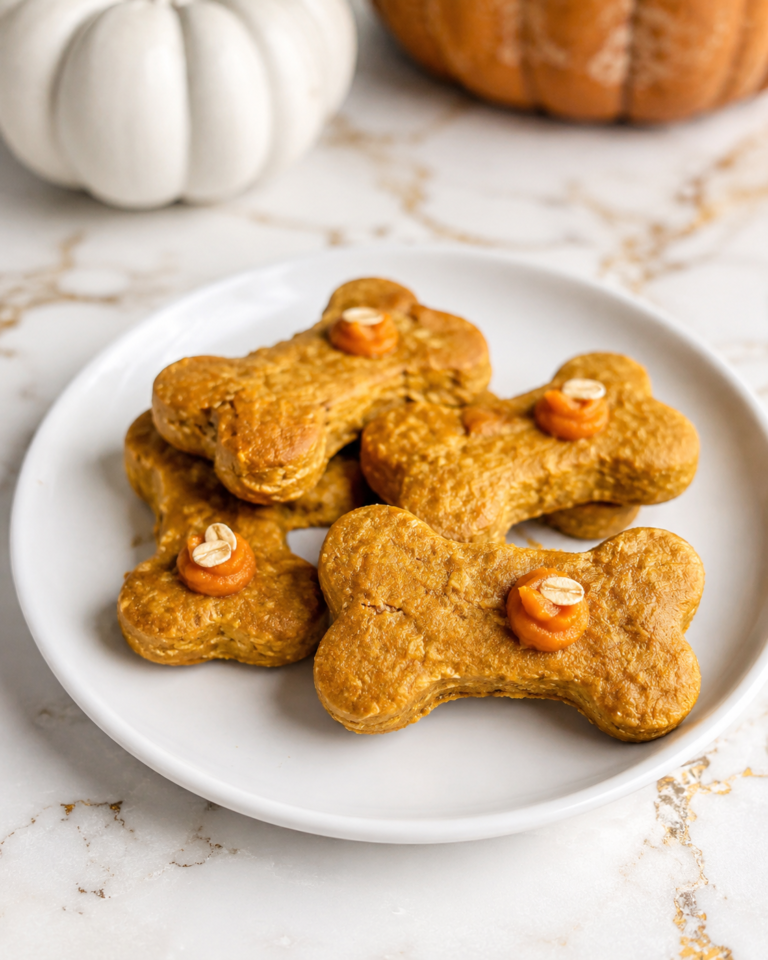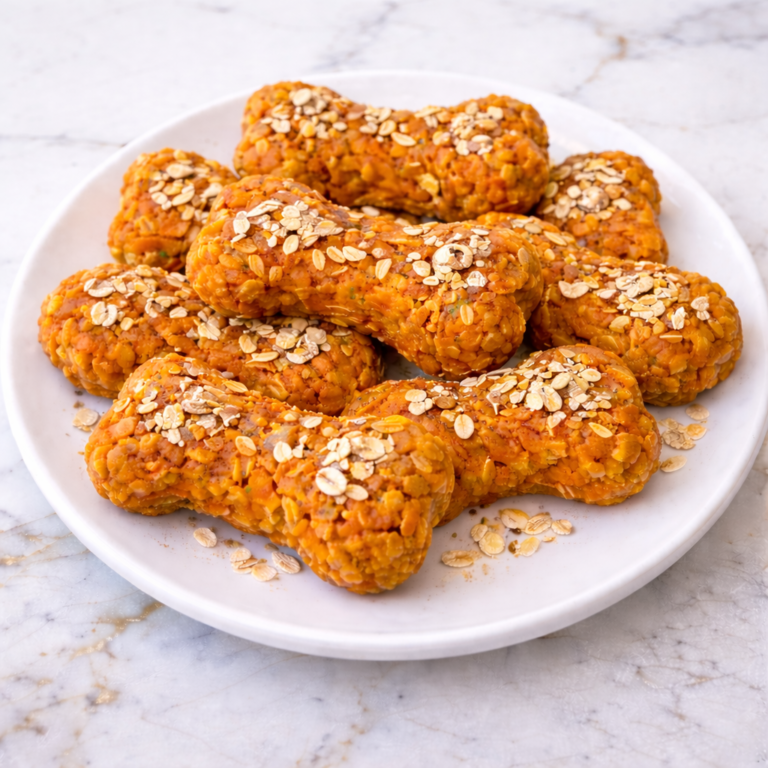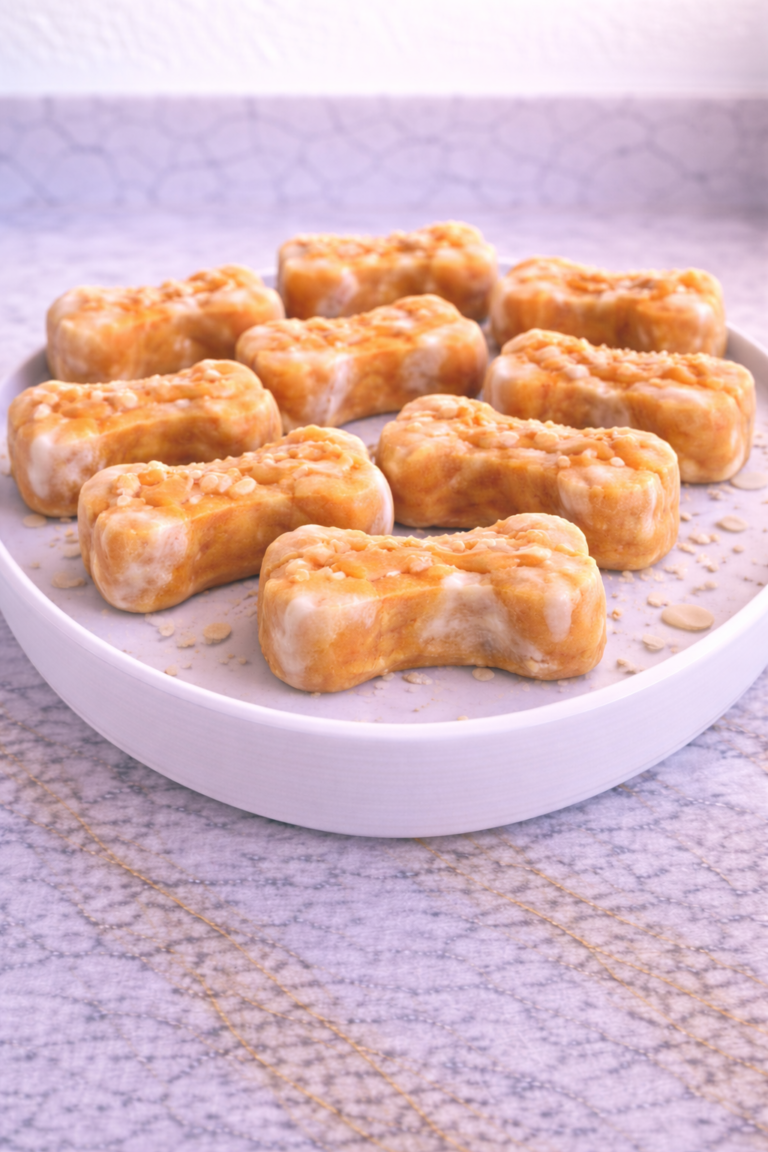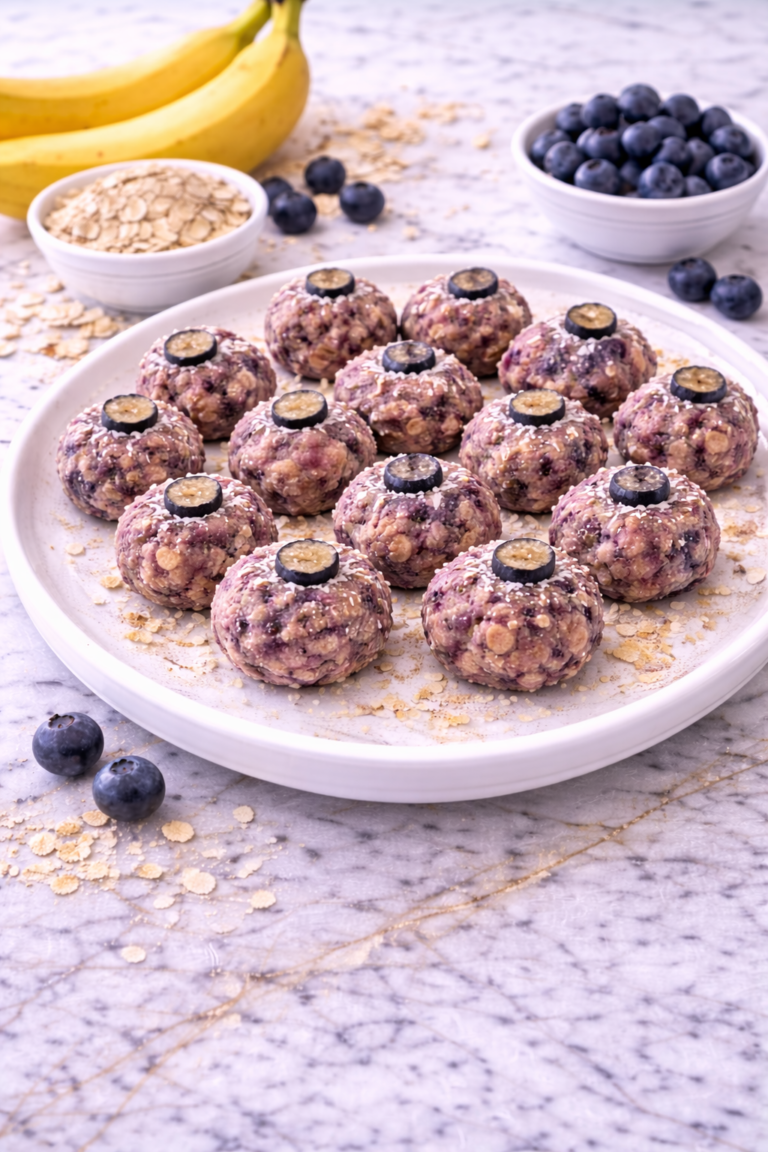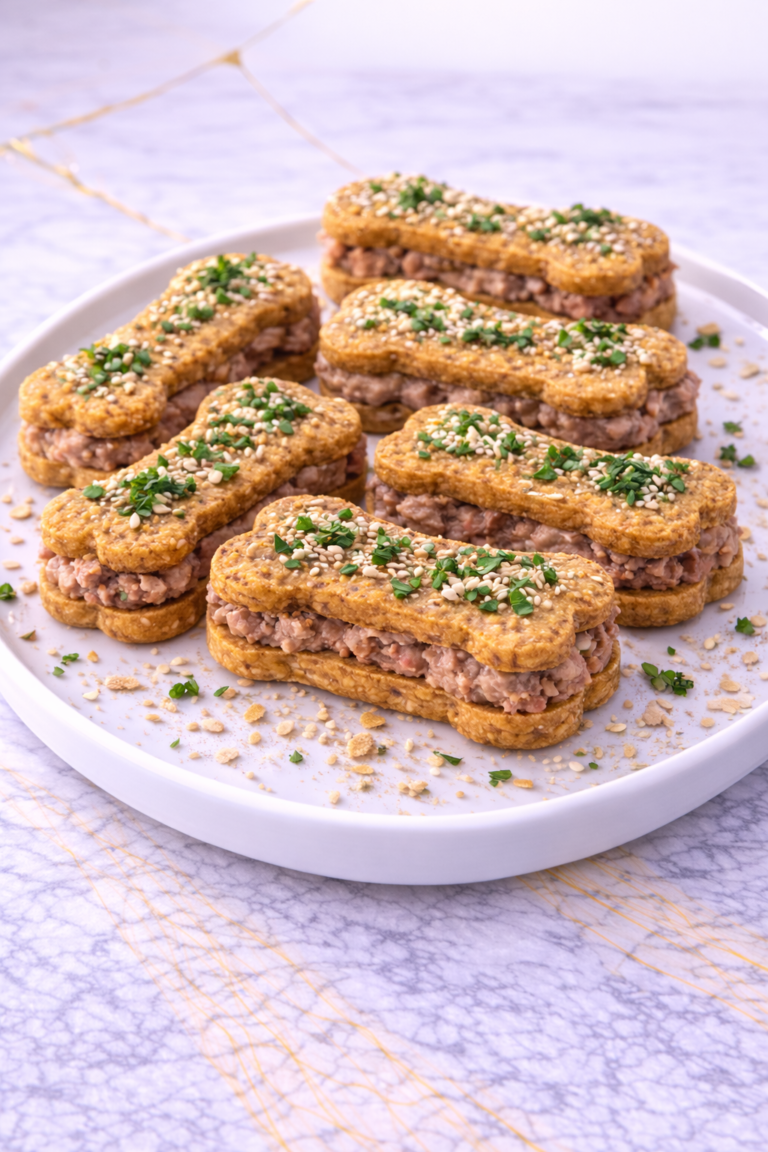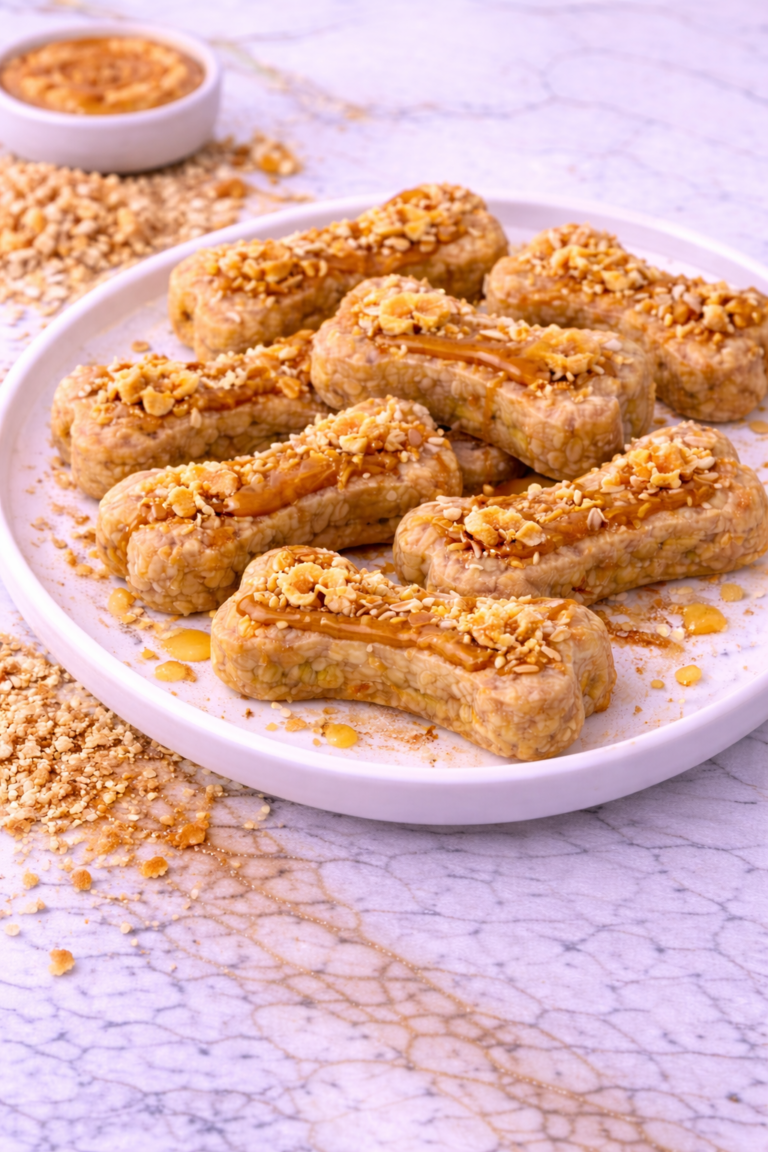

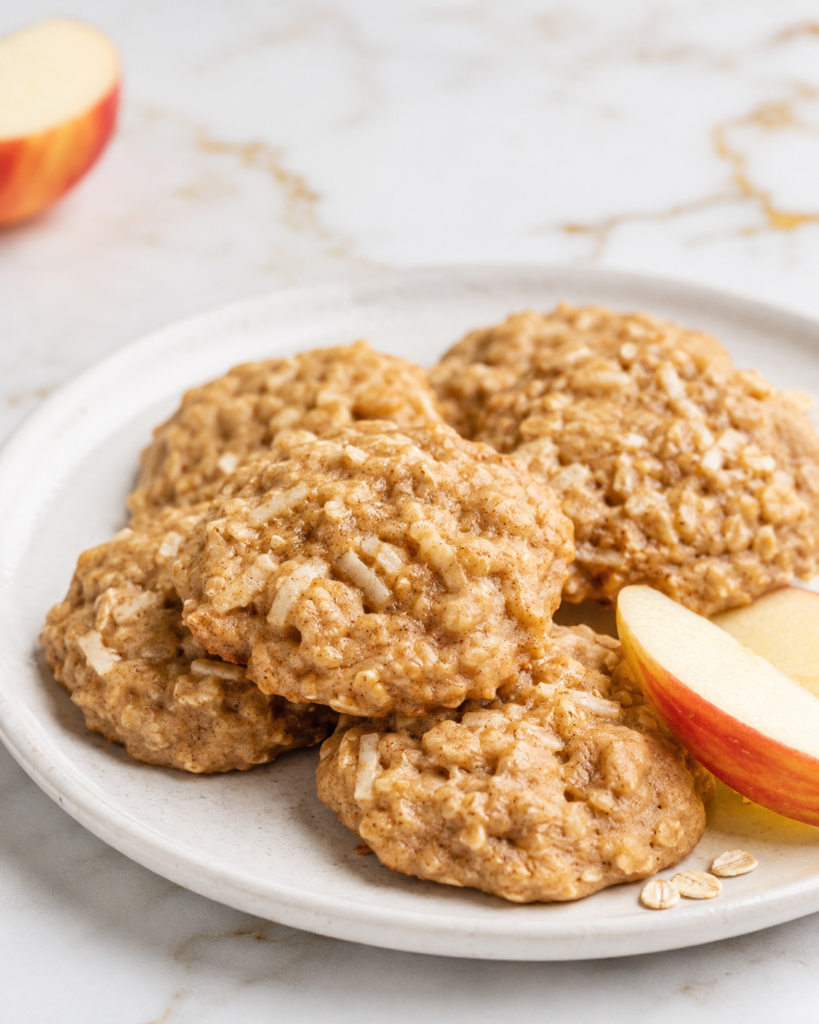
I enjoy making Homemade Apple Dog Cookies because they feel simple, cozy, and practical. Apples are easy to find, and when prepared carefully, they bring a naturally sweet flavor that works well in a homemade dog treat.
This recipe feels thoughtful because it starts with familiar ingredients and turns them into something small and special for your dog. The process is calm and hands-on, from peeling and grating the apple to shaping the dough into little cookies.
These cookies fit naturally into everyday dog care routines. They can be used as a small reward after a walk, a gentle training treat, or an occasional homemade snack during a quiet part of the day.
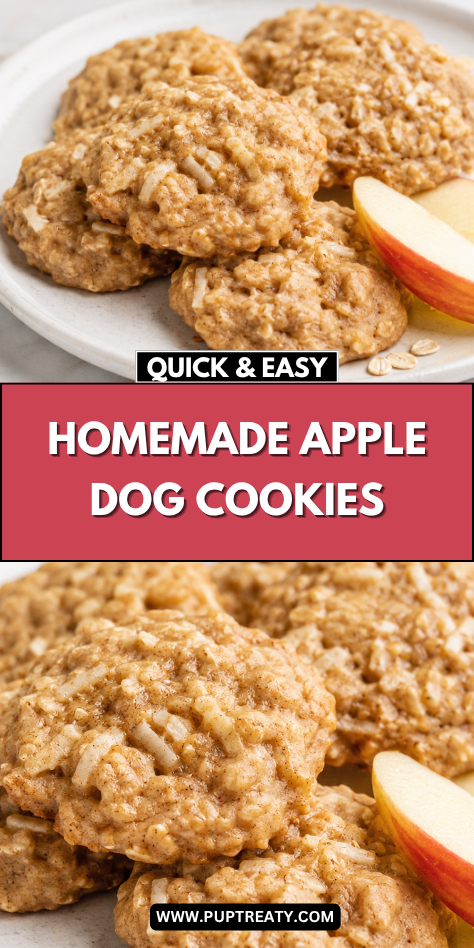
I also like that apple-based treats have a fresh aroma while baking. The kitchen smells warm and comforting, and the finished cookies feel like a small homemade gesture that can be portioned with care.
Homemade treats like these are meant to complement your dog’s regular balanced meals. When served in moderation, they can add variety to treat time without becoming the main part of your dog’s diet.
Why This Recipe Is Great for Your Dog
Homemade Apple Dog Cookies use simple ingredients that are easy to recognize and measure. The recipe keeps the ingredient list short, which makes preparation feel manageable for beginner home bakers.
Apple gives the cookies a gentle natural sweetness and a pleasant smell. Removing the core and seeds is important, and using grated apple helps it blend evenly into the dough.
The texture is lightly chewy with a soft-crisp edge when baked properly. Dogs often enjoy treats that have a little bite without being too hard or difficult to chew.
This recipe is easy to prepare because the dough comes together in one bowl. You do not need special equipment beyond a grater, mixing bowl, baking sheet, and basic measuring tools.
The cookies can be shaped in a few different ways. You can roll and cut them into small shapes, or press the dough into simple rounds for a more relaxed method.
Many dogs enjoy the mild sweetness of apple paired with oats. The combination creates a familiar, home-baked treat that smells inviting and is easy to portion.
Ingredients
- 1/2 cup peeled grated apple
- 1 large egg
- 2 tablespoons unsweetened applesauce
- 1 tablespoon natural unsweetened peanut butter
- 1 1/4 cups oat flour
- 1/2 cup rolled oats
- 1/2 teaspoon ground cinnamon
- 1 tablespoon water, if needed
Tools You’ll Need
- Cutting board
- Paring knife
- Apple corer or small knife
- Box grater
- Mixing bowl
- Measuring cups
- Measuring spoons
- Wooden spoon or silicone spatula
- Baking sheet
- Parchment paper
- Rolling pin
- Small cookie cutter or knife
- Fork for pressing, if shaping rounds
- Wire cooling rack
- Airtight storage container
- Freezer-safe bag or container
Pro Tips
Peel, core, and seed the apple before grating it. Apple seeds and core pieces should not be included in homemade dog cookies, so take a little extra time with preparation.
Use finely grated apple so it spreads evenly through the dough. Large apple pieces can add too much moisture in some spots and make the cookies bake unevenly.
Keep the dough firm but slightly moist. If it feels crumbly, add water slowly, but stop as soon as the dough holds together.
Make the cookies small for easier portion control. Smaller cookies are useful for little dogs, training rewards, or dogs who receive treats throughout the week.
Watch the baking time closely near the end. Apple adds moisture, so the cookies should be set and lightly golden, not deeply browned or overly hard.
Let the cookies cool completely before storing. This helps the texture settle and prevents steam from building up inside the storage container.
How Long This Recipe Takes
Preparation takes about 15 to 20 minutes. This includes peeling, coring, and grating the apple, then mixing and shaping the dough.
Baking usually takes about 18 to 22 minutes. Smaller cookies may finish sooner, while thicker cookies may need a few extra minutes to bake through.
The full recipe takes about 45 to 55 minutes when cooling time is included. Cooling is part of the process because the cookies continue to firm slightly after baking.
The pacing is steady and beginner-friendly. Preparing the apple is the most detailed step, while the rest of the recipe follows a simple mix, shape, and bake method.
Make-Ahead Tips
Homemade Apple Dog Cookies work well for batch preparation because they can be portioned small and stored easily. You can make a full batch and keep some in the refrigerator while freezing the rest.
Because the recipe contains fresh grated apple and egg, refrigeration is recommended after baking. Store the fully cooled cookies in an airtight container in the refrigerator for short-term use.
Freezing is helpful if you want to make treats less often. Place cooled cookies in a freezer-safe bag or container, and separate layers with parchment paper if the cookies feel soft.
Portioning before freezing makes serving easier during the week. Freeze the cookies in small groups so you can thaw only what you plan to use over a few days.
Thaw frozen cookies in the refrigerator rather than leaving them out for long periods. Before serving, check that the cookies smell fresh and have a normal texture.
Step-by-Step Instructions
Step 1: Prepare the Baking Sheet
Preheat the oven to 325°F. Line a baking sheet with parchment paper so the cookies release cleanly after baking.
Set the baking sheet aside while you prepare the apple and mix the dough. Having it ready makes the shaping step feel easier and more organized.
Step 2: Prepare the Apple
Wash the apple well, then peel it. Remove the core and all seeds before grating.
Use a box grater to finely grate enough apple to measure 1/2 cup. Press out a little excess moisture with clean hands if the apple seems very juicy.
Step 3: Mix the Wet Ingredients
Place the grated apple in a mixing bowl. Add the egg, unsweetened applesauce, and natural unsweetened peanut butter.
Stir until the ingredients are evenly combined. The mixture should look moist and slightly textured from the grated apple.
Step 4: Add the Oat Flour
Add the oat flour to the bowl. Stir slowly until the flour begins to absorb the moisture and the mixture starts forming a soft dough.
Scrape the sides and bottom of the bowl as you mix. This helps prevent dry pockets and keeps the apple evenly distributed.
Step 5: Add the Rolled Oats and Cinnamon
Add the rolled oats and ground cinnamon to the dough. Stir until both are evenly mixed throughout the bowl.
The dough should become thicker after the oats are added. Let it sit for 2 to 3 minutes so the oats can absorb some moisture from the apple.
Step 6: Check the Dough Texture
Press a small amount of dough between your fingers. It should hold together without feeling wet or sticky.
If the dough feels too dry, add 1 tablespoon of water and mix again. If it feels too soft, let it rest a little longer before shaping.
Step 7: Roll the Dough
Place the dough on a lightly oat-floured surface. Roll it gently to about 1/4-inch thickness.
Try to keep the dough even from edge to edge. Even thickness helps the cookies bake at the same pace.
Step 8: Cut the Cookies
Use a small cookie cutter to cut the dough into shapes. You can also use a knife to cut small squares if you prefer a simpler method.
Gather the scraps and gently reroll them. Continue cutting until all the dough has been used.
Step 9: Arrange the Cookies
Place the cookies on the prepared baking sheet. Leave a little space between each cookie so heat can move evenly around them.
The cookies will not spread much during baking. Still, spacing helps the edges set properly and keeps the batch consistent.
Step 10: Bake the Cookies
Bake the cookies for 18 to 22 minutes. They should look set, lightly golden on the bottom, and slightly firm around the edges.
For a softer cookie, remove them closer to 18 minutes. For a firmer cookie, bake a few minutes longer while watching carefully.
Step 11: Cool on the Baking Sheet
Let the cookies rest on the baking sheet for 5 minutes after baking. This helps them firm slightly before being moved.
The cookies may feel tender at first because of the apple. A short rest makes them easier to transfer without breaking.
Step 12: Cool Completely
Move the cookies to a wire cooling rack. Let them cool completely before serving or storing.
Cooling allows the texture to settle and helps prevent moisture from collecting in the storage container. Once fully cool, the cookies are ready for refrigeration or freezing.
Nutritional Notes for Dogs
Homemade Apple Dog Cookies are designed as a complementary treat that can fit into a dog’s routine in small portions. They are not intended to replace complete meals, but they can add a simple homemade option to occasional treat time.
Apple adds natural sweetness and moisture to the dough. When peeled, cored, seeded, and grated, it blends evenly into the cookies and helps create a gently chewy texture.
Oat flour and rolled oats form the base of the recipe. They help the cookies hold their shape while giving them a mild, familiar texture that works well for homemade dog treats.
The egg helps bind the ingredients together and supports a more reliable cookie structure. It also helps the dough bake into a cookie that can be cooled, stored, and portioned more easily.
Unsweetened applesauce adds a little extra moisture without needing added sugar. It pairs naturally with the grated apple and helps keep the dough from becoming too dry.
A small amount of natural peanut butter adds flavor and aroma. Since peanut butter is rich, measured portions are helpful when deciding how often to serve these cookies.
Ground cinnamon is used in a small amount for gentle flavor. The recipe keeps it modest so it supports the apple flavor without overwhelming the cookie.
Treats like these are best served with a balanced feeding mindset. They should remain occasional extras alongside your dog’s regular food and other daily treats.
Ingredient Swaps and Variations
- Dairy-free: This recipe is naturally dairy-free when made with apple, egg, unsweetened applesauce, natural unsweetened peanut butter, oat flour, rolled oats, cinnamon, and water.
- Grain-free: Replace the oat flour with a small amount of coconut flour, adding it gradually because it absorbs moisture quickly and can make the dough firm.
- Flavor variation: Replace 1 tablespoon of grated apple with plain pumpkin puree for a slightly softer texture and mild flavor change.
- Texture adjustment: Bake for the shorter time for a softer cookie, or add 2 to 4 extra minutes for a firmer bite.
- Mini version: Cut the dough into tiny squares for small dogs, training rewards, or easier portion control.
How to Serve Safely
Serve Homemade Apple Dog Cookies in portions that match your dog’s size and usual chewing habits. Small dogs may only need a tiny piece, while larger dogs may be able to enjoy one small cookie.
For toy breeds or dogs that eat quickly, break the cookie into smaller pieces before offering it. This helps make the treat easier to manage and keeps portions more controlled.
Medium dogs can usually handle a modest cookie if the texture is not too hard. Start with a small amount the first time so you can observe how your dog handles the apple and oat texture.
Large dogs may be able to enjoy a full cookie, depending on the cookie size. Even for larger dogs, these should remain occasional treats rather than a large part of the day’s food.
Supervise your dog whenever serving homemade treats. This is especially helpful with a new recipe, a firmer texture, or a cookie size your dog has not tried before.
These cookies work well for calm reward moments, gentle training, after-walk routines, or quiet afternoon snacks. They are best used in moderation alongside your dog’s normal feeding routine.
Common Mistakes to Avoid
Leaving apple seeds or core pieces in the recipe is an important mistake to avoid. Always peel if preferred, then core and seed the apple carefully before grating.
Using apple pieces that are too large can make the cookies uneven. Finely grated apple blends better into the dough and helps the cookies bake more consistently.
Adding too much water can make the dough sticky and difficult to roll. Add water only if the dough feels crumbly, and mix well before deciding whether more is needed.
Skipping the resting time can make the dough harder to judge. Oats absorb moisture as they sit, so a brief rest can help the dough become easier to shape.
Rolling the dough too thick may leave the centers too soft. Aim for about 1/4-inch thickness so the cookies bake evenly.
Overbaking can make the cookies harder than intended. Check them near the end of the baking time and remove them when they are set and lightly golden.
Storing the cookies while warm can trap steam and shorten freshness. Let them cool completely before placing them in a container.
Storage and Freshness Tips
Because Homemade Apple Dog Cookies contain fresh apple and egg, they should not be stored at room temperature for long periods. Room-temperature holding is best limited to the day they are baked and only after they have cooled fully.
Refrigeration is the best choice for short-term storage. Place fully cooled cookies in an airtight container and refrigerate them for about 5 to 7 days.
Since grated apple adds moisture, these cookies should be checked regularly during storage. Keep the container sealed, and avoid leaving it open on the counter.
For longer storage, freeze the cookies in a freezer-safe bag or container. Use parchment paper between layers if the cookies are soft or if you want to prevent sticking.
Frozen cookies can usually be stored for up to 2 months. Labeling the container with the date helps you rotate batches and use older cookies first.
Thaw frozen cookies in the refrigerator before serving. This keeps thawing steady and helps avoid leaving moist homemade treats at warm room temperature for too long.
Before serving stored cookies, check their smell, texture, and appearance. Discard any cookie that shows mold, sour odor, unusual stickiness, excess moisture, or visible changes.
FAQs
Can I use applesauce instead of grated apple?
You can use applesauce, but the texture will be softer and less chewy. If replacing the grated apple, use plain unsweetened applesauce and add oat flour gradually if the dough feels too wet.
Do I need to peel the apple?
Peeling is optional if the apple is washed well and your dog tolerates apple skin. Some bakers prefer peeling because it creates a smoother dough and softer cookie.
Are apple seeds safe in dog cookies?
Apple seeds should be removed before making the cookies. Core and seed the apple carefully so only the prepared fruit goes into the dough.
Can I leave out the cinnamon?
Yes, you can leave out the cinnamon if you prefer a plainer cookie. The apple flavor will still come through, especially with the applesauce included.
Can I make these cookies softer?
Yes, bake them closer to the lower end of the time range. Let them cool completely, since they will settle and firm slightly as they rest.
Can I make these cookies crunchy?
You can bake them a few minutes longer for a firmer texture. Watch closely so the edges do not become too dark or hard.
Can I freeze Homemade Apple Dog Cookies?
Yes, these cookies freeze well after baking and cooling. Thaw them in the refrigerator before serving, and check freshness before offering them to your dog.
A Cozy Batch of Apple Cookies for Your Dog
Homemade Apple Dog Cookies bring together gentle apple flavor, simple oat texture, and a calm baking process that fits naturally into occasional treat routines. When prepared carefully, portioned thoughtfully, and stored with attention to freshness, they offer a warm homemade option alongside your dog’s regular balanced meals.