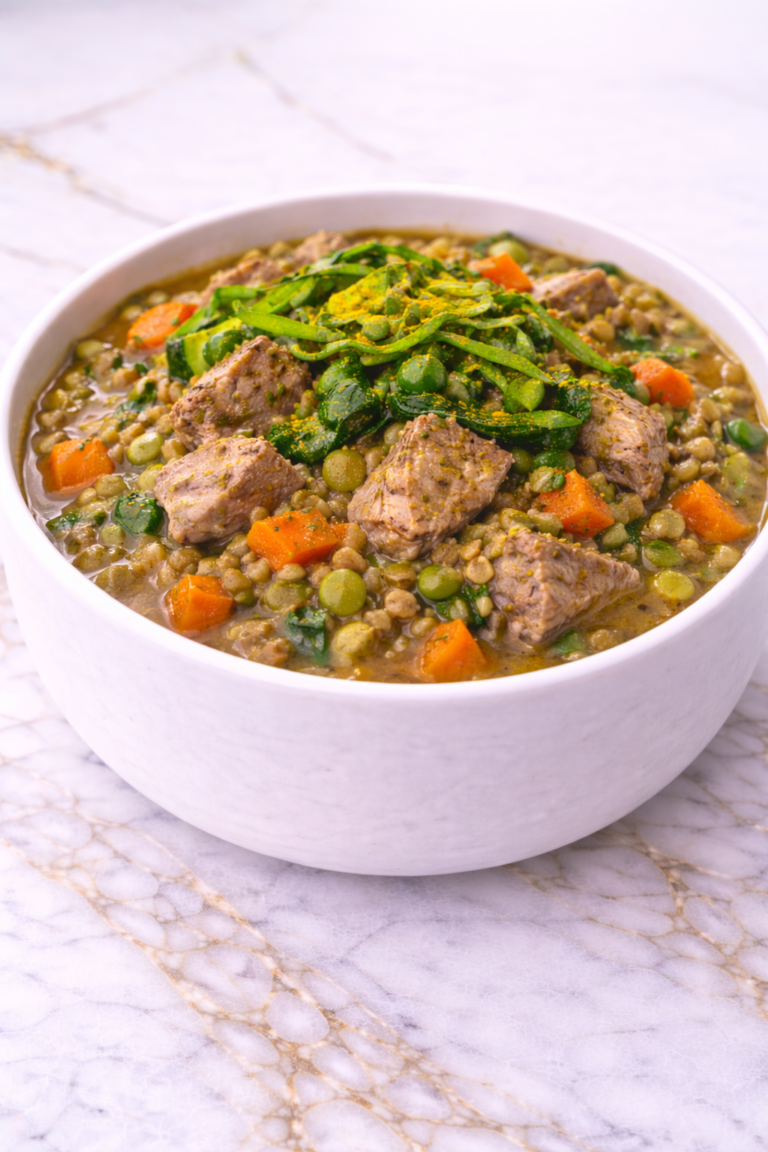

Preparing homemade meals for dogs can be a thoughtful way to support their daily feeding routine. A lamb carrot dog food recipe combines simple ingredients to create a warm, balanced dish that many dogs enjoy. With gentle flavors and familiar ingredients, this meal can be prepared at home using straightforward cooking methods.
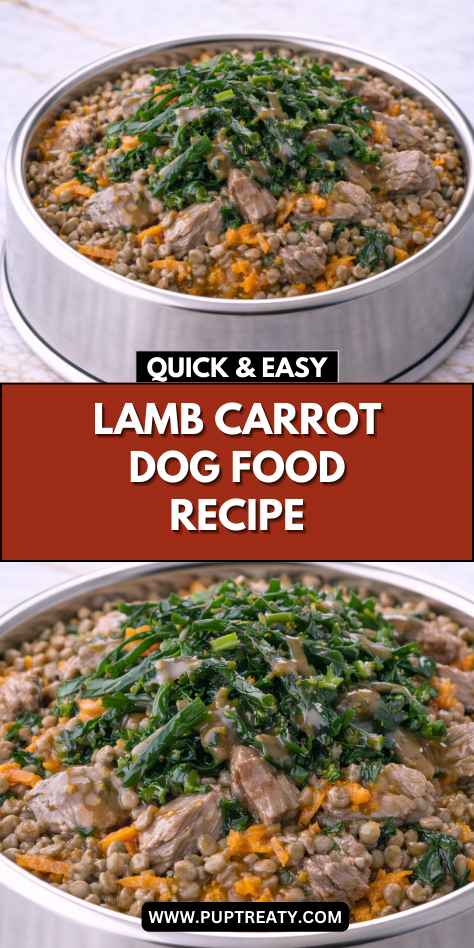
I often enjoy preparing homemade dog meals because the process feels calm and intentional. Cooking a meal for a dog can become part of the regular rhythm of kitchen routines. Using recognizable ingredients makes the preparation process comfortable and manageable.
Lamb is frequently used in homemade dog food recipes because of its rich flavor and tender texture when cooked. When chopped into small pieces and simmered gently, lamb becomes soft and easy to mix with vegetables and grains.
Carrots add mild sweetness and a pleasant texture to the dish. When cooked until tender, they blend smoothly with the lamb and help create a balanced consistency.
Another benefit of this recipe is the flexibility in portioning. The finished meal can be divided into individual servings and stored for convenient feeding throughout the week. This helps maintain consistency in daily routines.
Homemade meals can also create small moments of connection during preparation time. Dogs often notice when something is cooking and may stay nearby while the food is being prepared. These small moments can become part of the routine of caring for them.
Keeping prepared meals stored properly in the refrigerator can make feeding time more convenient. A ready portion can be warmed slightly and served at regular mealtimes.
Why This Recipe Is Great for Your Dog
One of the most appealing aspects of this recipe is the simplicity of the ingredients. Each ingredient is easy to recognize and commonly used in homemade dog food recipes.
The texture of the finished dish is soft and moist. This can make it comfortable for many dogs to eat.
Preparation is also straightforward. The ingredients cook together in one pot, allowing flavors to combine gradually.
Dogs often respond well to the savory flavor of lamb. When combined with vegetables and grains, the result is a balanced meal with gentle flavor.
Another advantage of this recipe is the ability to prepare several portions at once. Cooking in batches can help simplify feeding routines during the week.
Ingredients
- 1 pound ground lamb
- 1 cup diced carrots
- 1 cup cooked brown rice
- ½ cup chopped spinach
- 1 tablespoon olive oil
- 1 cup water
Tools You’ll Need
- Cutting board
- Knife
- Measuring cups
- Measuring spoons
- Large skillet or saucepan
- Wooden spoon or spatula
- Mixing bowl
- Storage containers
Pro Tips
Choose fresh ground lamb with no added seasoning. Plain meat helps keep the recipe simple and suitable for dogs.
Dice the carrots into small pieces so they cook evenly. Smaller pieces soften more quickly during cooking.
Cook the rice ahead of time so it is ready to add to the dish. Pre-cooked rice blends easily with the other ingredients.
Stir the mixture occasionally while cooking to help distribute heat evenly. This helps the ingredients cook at a steady pace.
Allow the finished meal to cool completely before portioning it into storage containers. Cooling helps maintain proper texture.
Divide the food into individual servings before storing. This makes feeding time quicker and more convenient.
How Long This Recipe Takes
Preparing the ingredients usually takes about fifteen minutes. This includes chopping the vegetables and measuring the remaining ingredients.
Cooking the meal generally requires about twenty to twenty-five minutes. During this time the lamb cooks through and the vegetables become tender.
Once the ingredients are fully cooked, the mixture should rest briefly before portioning. Allowing it to cool for about fifteen minutes helps the texture settle.
Although the recipe requires some cooking time, the preparation remains straightforward. Most of the work involves simple chopping and stirring.
The entire process can typically be completed in about forty-five minutes. Once finished, several portions may be ready for upcoming meals.
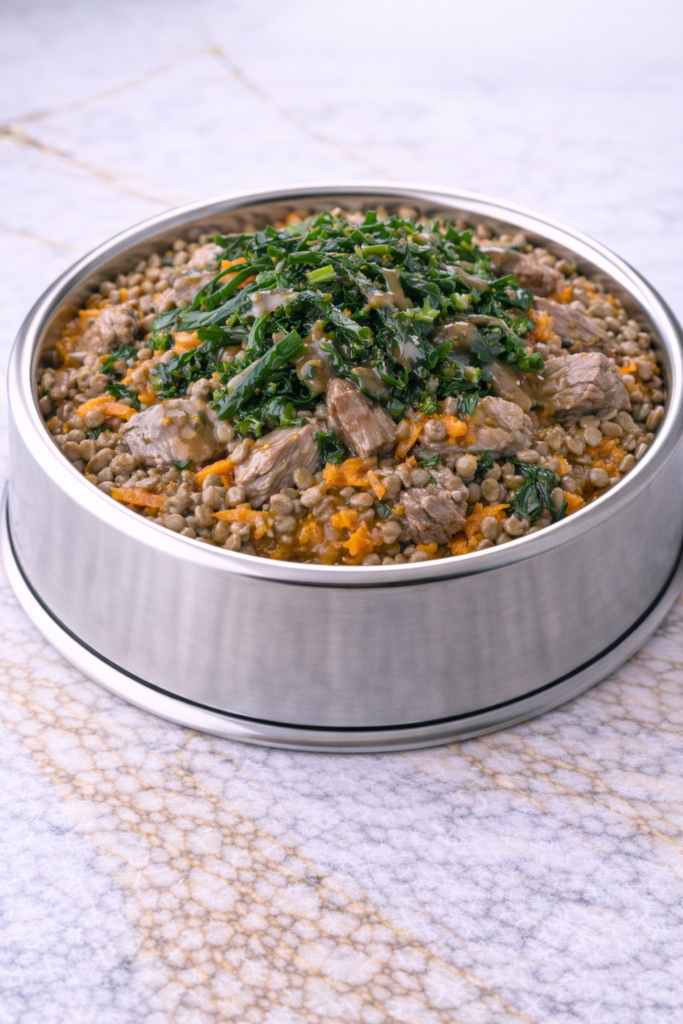
Make-Ahead Tips
Homemade dog meals can be prepared ahead of time to simplify feeding routines. This recipe works well for batch preparation.
After cooking, divide the food into individual portions using storage containers. This helps make serving easier during the week.
Refrigeration works well for short-term storage. Prepared portions can remain fresh in sealed containers for several days.
For longer storage, freezing is a convenient option. Individual servings can be placed in freezer-safe containers or bags.
Labeling the containers with the preparation date can help keep track of freshness. This can be helpful when storing multiple portions.
When using frozen portions, allow them to thaw gradually in the refrigerator before serving. Gentle thawing helps maintain the texture of the meal.
Step-by-Step Instructions
Step 1: Prepare the Ingredients
Wash and peel the carrots if necessary. Dice them into small pieces so they cook evenly.
Measure the remaining ingredients and set them within reach.
Step 2: Cook the Lamb
Place the ground lamb in a large skillet or saucepan over medium heat. Cook the meat while stirring occasionally.
Break the lamb into smaller pieces as it cooks.
Step 3: Add the Carrots
Add the diced carrots to the pan with the lamb. Stir the mixture so the vegetables distribute evenly.
Continue cooking until the carrots begin to soften.
Step 4: Add the Water
Pour the water into the pan and stir the mixture gently. This helps create a moist cooking environment for the ingredients.
Allow the mixture to simmer for several minutes.
Step 5: Add the Rice
Stir the cooked brown rice into the mixture. Combine the rice with the lamb and carrots until evenly distributed.
Continue cooking while stirring occasionally.
Step 6: Add the Spinach
Add the chopped spinach to the pan. Stir the mixture until the spinach softens and blends into the dish.
Cook for several more minutes until all ingredients are fully combined.
Step 7: Finish the Dish
Stir in the olive oil and mix thoroughly. Remove the pan from the heat once everything is fully cooked.
Allow the mixture to cool before portioning it into storage containers.
Ingredient Swaps and Variations
- Grain-free: Replace the brown rice with cooked quinoa or mashed sweet potato to create a similar texture while avoiding traditional grains.
- Different vegetables: Finely chopped green beans or zucchini can replace part of the carrots for a slightly different vegetable balance while maintaining a similar consistency.
- Protein variation: Ground turkey or lean beef can be used in place of lamb if needed. The preparation method remains the same when changing the protein.
- Texture adjustment: For a softer consistency, add a small amount of warm water or unsalted broth when mixing the finished meal.
- Mini portion version: The recipe can be portioned into smaller servings for smaller dogs or for dogs that eat several small meals throughout the day.
Nutritional Notes for Dogs
Lamb is commonly used in homemade dog food recipes because it provides a rich flavor and tender texture once cooked. When ground lamb is cooked thoroughly and broken into small pieces, it blends well with vegetables and grains.
Carrots contribute gentle sweetness and a soft texture when cooked. They mix easily with other ingredients and help create a balanced consistency throughout the meal.
Brown rice provides structure and helps create a satisfying base for the recipe. When fully cooked, rice combines smoothly with the meat and vegetables.
Spinach adds variety in texture and blends easily into the dish once wilted. When chopped finely, it distributes evenly throughout the mixture.
Olive oil helps bring the ingredients together and adds a smooth texture to the finished meal. Using a small amount allows the ingredients to mix evenly.
Homemade dog meals are best used as a complementary feeding option rather than replacing balanced feeding plans entirely. Maintaining a varied and moderate feeding routine supports overall consistency.
How to Serve Safely
Portion size should be appropriate for the dog’s size, activity level, and regular feeding routine. Smaller dogs may require smaller servings, while larger dogs may comfortably eat larger portions.
Always allow the food to cool fully before serving. Serving food that is too hot may cause discomfort for dogs.
Supervising dogs during mealtime can help ensure they eat comfortably. Observing how a dog responds to a new meal can help guide portion sizes in the future.
This meal can be served on its own or mixed with a dog’s regular food. Mixing small portions can help introduce homemade meals gradually.
Moderation remains important when adding new foods to a dog’s routine. Offering balanced portions helps maintain consistency in feeding habits.
Common Mistakes to Avoid
One common mistake is not cooking the lamb thoroughly. Ground meat should always be fully cooked before being served to dogs.
Another issue occurs when vegetables are cut too large. Larger pieces may not soften properly during cooking and can affect the final texture.
Adding too much liquid during cooking can create a mixture that becomes overly watery. Liquid should be added gradually while the ingredients cook.
Not stirring the mixture occasionally may allow ingredients to cook unevenly. Gentle stirring helps distribute heat and moisture.
Serving the meal before it has cooled sufficiently can cause discomfort. Allowing the food to rest and cool helps ensure safe serving temperature.
Storing the meal without proper containers may reduce freshness. Airtight containers help maintain quality during storage.
Storage and Freshness Tips
Once the meal has cooled completely, divide it into airtight containers for storage. Portioning the food immediately helps make future feeding easier.
Refrigeration works well for short-term storage. Sealed containers stored in the refrigerator help maintain freshness for several days.
For longer storage, freezing individual portions is a convenient option. Freezer-safe containers or bags help protect the food from freezer burn.
Labeling containers with the preparation date can help keep track of storage time. This can be helpful when preparing larger batches.
When using frozen portions, allow them to thaw gradually in the refrigerator. Slow thawing helps maintain the texture of the ingredients.
Before serving stored food, check for any unusual odor or appearance. If anything appears questionable, it should be discarded.
FAQs
Can dogs safely eat lamb in homemade meals?
Yes, lamb is commonly used in homemade dog food recipes when it is cooked thoroughly and served without seasoning. Ground lamb blends well with vegetables and grains.
Do the vegetables need to be cooked for this recipe?
Yes, vegetables should be cooked until tender. Cooking softens them and helps them mix evenly with the other ingredients.
Can I replace brown rice in this recipe?
Yes, cooked quinoa or mashed sweet potato can replace brown rice. Small adjustments to texture may be needed when changing ingredients.
Can this recipe be prepared in advance?
Yes, this recipe works well for batch preparation. Portions can be stored in the refrigerator or freezer for convenient feeding.
Can homemade meals be mixed with regular dog food?
Yes, small portions of homemade meals can be mixed with regular dog food. Gradual introduction helps dogs adjust to new foods.
Can this meal be frozen?
Yes, freezing is a practical option for longer storage. Individual portions can be thawed gradually in the refrigerator before serving.
How long does homemade dog food usually last in the refrigerator?
When stored in sealed containers, homemade dog food typically remains fresh for several days. Freezing can extend its storage time.
A Warm Homemade Meal with Simple Ingredients
A lamb carrot dog food recipe offers a straightforward way to prepare a homemade meal using familiar ingredients. The cooking process is simple and can produce several portions for upcoming meals.
Once prepared and stored properly, this meal can become part of a consistent feeding routine. The soft texture and mild flavor make it a comfortable addition to occasional homemade feeding.