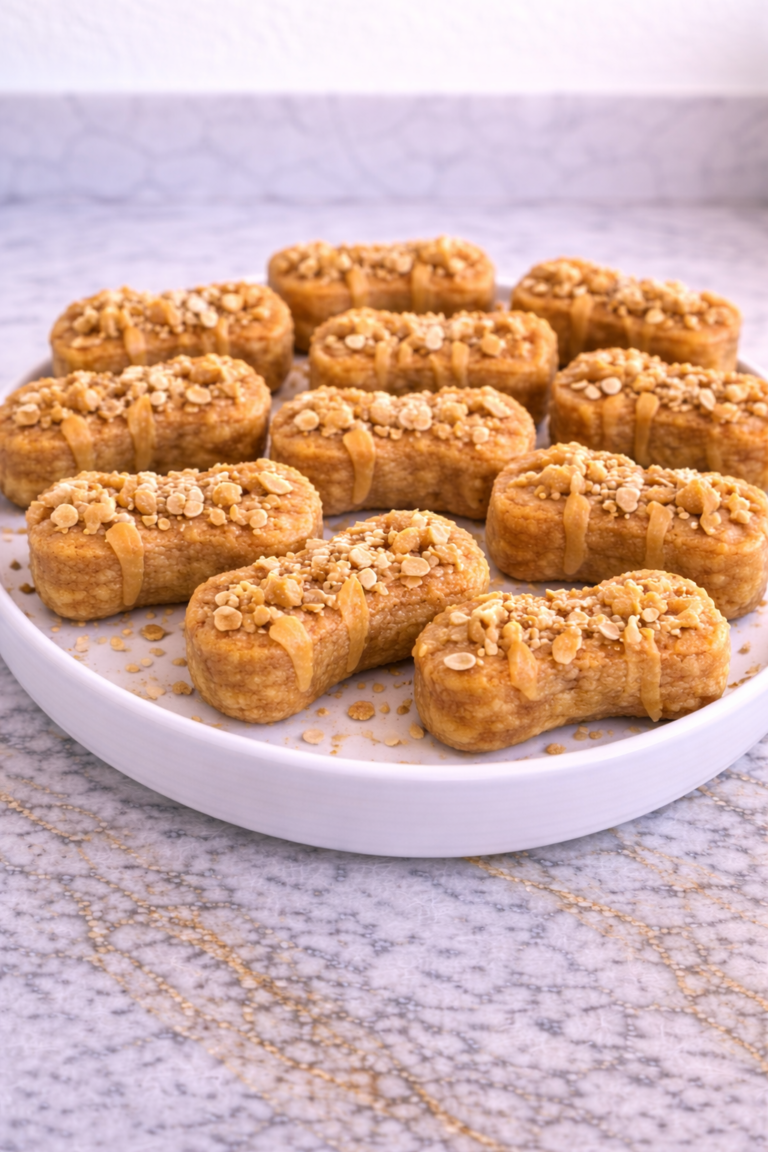

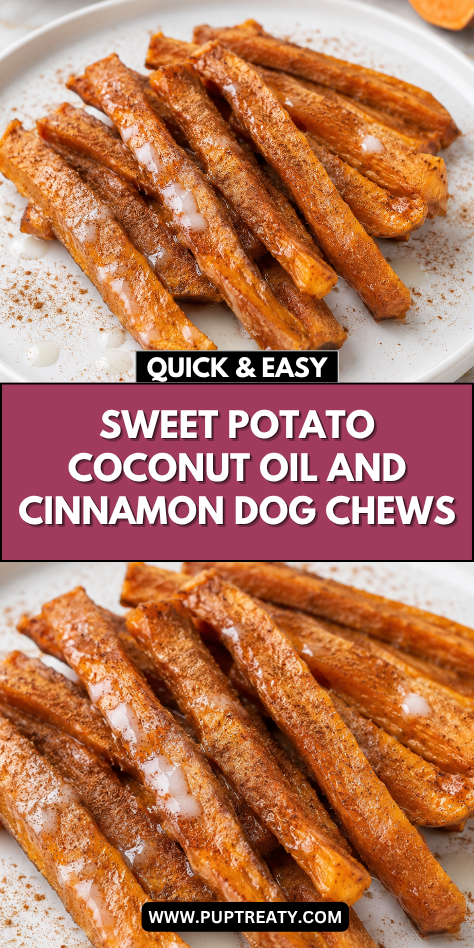
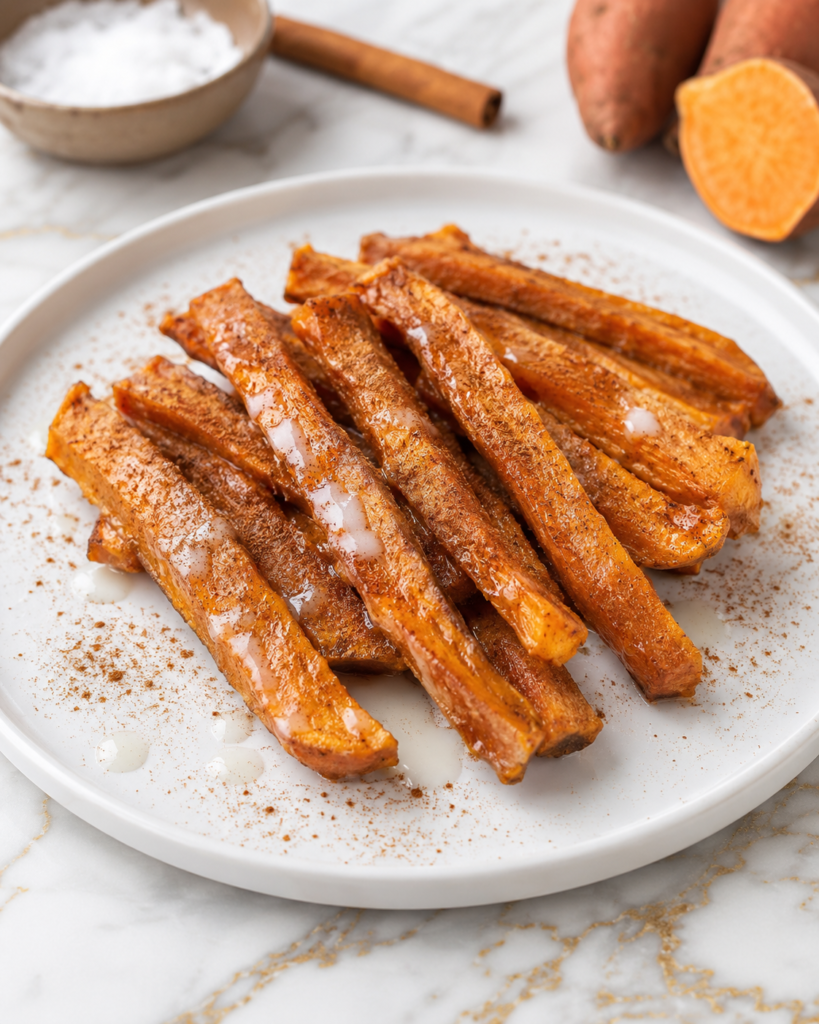
I enjoy making sweet potato, coconut oil, and cinnamon dog chews because they feel simple, warm, and practical for everyday treat prep. The recipe uses familiar ingredients and turns them into chewy pieces that can be made with a calm, steady process.
This type of chew feels thoughtful because it starts with plain sweet potato and uses only a small amount of added flavor. Coconut oil gives the pieces a light coating, while cinnamon adds a gentle aroma when used carefully.
I like recipes like this for everyday dog care because the chews can be portioned into small strips or rounds. A homemade chew can fit naturally after a walk, during a quiet afternoon, or as an occasional snack when your dog has time to settle.
There is something comforting about slicing sweet potato and arranging the pieces slowly on a baking sheet. Even a simple recipe can create a quiet kitchen moment that feels connected to the routine of caring for your dog.
These chews are meant to be a homemade complementary snack, not a complete diet replacement. They should be served in moderation and sized carefully for your dog’s age, size, chewing style, and regular feeding routine.
Why This Recipe Is Great for Your Dog
This recipe uses simple, dog-appropriate ingredients that are easy to recognize. Sweet potato, coconut oil, and a small amount of cinnamon create a short ingredient list that stays calm and practical.
The ingredients are familiar and easy to prepare at home. The sweet potato should be washed well, sliced evenly, and cooked until the texture is chewy rather than hard.
The chew experience is different from a soft treat ball or a crisp biscuit. These pieces are designed to be firm and bendable, giving dogs something to work through slowly while still being portion-friendly.
For home cooks, this recipe is approachable and low effort. The main task is slicing the sweet potato evenly and baking it gently until the pieces dry out and become chewy.
Dogs often enjoy the mild sweetness of sweet potato and the warm aroma from the oven. The coconut oil helps the cinnamon cling lightly to the slices without making the chews greasy.
This recipe also supports careful portioning. You can cut thin strips for larger dogs or smaller half-moons for smaller dogs, depending on what feels manageable for your dog’s chewing habits.
Ingredients
- 2 medium sweet potatoes
- 1 tablespoon unsweetened coconut oil, melted
- 1/4 teaspoon ground cinnamon
Tools You’ll Need
- Cutting board
- Sharp knife
- Vegetable peeler
- Measuring spoons
- Small microwave-safe bowl or saucepan
- Large mixing bowl
- Tongs or clean hands
- Baking sheet
- Parchment paper
- Cooling rack
- Airtight storage container
- Freezer-safe bag or container
Pro Tips
Slice the sweet potatoes evenly so the chews bake at the same pace. Uneven pieces can leave some slices too soft while others become too dry.
Keep the slices on the thinner side for a chewier texture. Very thick slices may stay soft in the center and take much longer to dry properly.
Use only plain ground cinnamon and measure it carefully. Avoid cinnamon sugar, spice blends, or anything containing nutmeg or added sweeteners.
Melt the coconut oil gently and use just enough to lightly coat the slices. Too much oil can make the chews greasy and may affect how well they dry in the oven.
Let the chews cool completely before serving or storing. They continue to firm slightly as they cool, and storing them warm can create moisture inside the container.
Check the finished texture before offering a chew. The pieces should be chewy and flexible, not sharp, brittle, or overly hard.
How Long This Recipe Takes
Preparation usually takes about 15 to 20 minutes. Most of that time is spent washing, peeling if preferred, slicing the sweet potatoes, and coating them lightly with coconut oil and cinnamon.
Baking takes about 2 to 3 hours, depending on the thickness of the slices and the texture you want. Thin pieces may finish sooner, while thicker chews need more time to become properly chewy.
The full recipe takes about 2 1/2 to 3 1/2 hours when cooling time is included. Most of the process is hands-off once the sweet potato slices are arranged in the oven.
The pacing is calm and slow rather than difficult. This is a good recipe for a day when you are already at home and can check the oven occasionally.
Make-Ahead Tips
This recipe works well for make-ahead preparation because the chews can be baked in a batch and stored for later. Once cooled, divide them into small portions based on how often you plan to serve them.
For short-term use, store the cooled chews in an airtight container in the refrigerator. Refrigeration is helpful because sweet potato chews hold some moisture even after baking.
For longer storage, freeze the chews in small batches. Place a few pieces in each freezer-safe bag or container so you can thaw only what you need.
Portioning before storage keeps serving simple. Smaller groups of chews are easier to rotate, thaw, and check for freshness.
Thaw frozen chews in the refrigerator rather than on the counter. Once thawed, check the smell, texture, and appearance before serving, and keep thawed chews refrigerated.
Step-by-Step Instructions
Step 1: Prepare the Baking Sheet
Preheat the oven to 250°F. Line a baking sheet with parchment paper so the sweet potato slices are easier to remove after baking.
Set the prepared baking sheet near your work area. This makes it easier to arrange the slices as soon as they are coated.
Step 2: Wash the Sweet Potatoes
Wash the sweet potatoes thoroughly under cool running water. Scrub away any dirt from the skin, especially if you plan to leave the peel on.
Pat the sweet potatoes dry with a clean towel. Dry surfaces help the coconut oil coat the slices more evenly.
Step 3: Peel If Preferred
Use a vegetable peeler to remove the skin if you want a smoother chew. Leaving the skin on is also possible if the sweet potatoes are well scrubbed and your dog handles the texture comfortably.
Choose one approach for the whole batch if possible. This helps the pieces bake more consistently.
Step 4: Slice the Sweet Potatoes
Place each sweet potato on a cutting board and slice it into long strips or thin rounds. Aim for slices about 1/4-inch thick.
Keep the slices as even as you can. Similar thickness helps the chews dry at the same pace in the oven.
Step 5: Melt the Coconut Oil
Place 1 tablespoon of unsweetened coconut oil in a small microwave-safe bowl or saucepan. Warm it gently until just melted.
Let the oil cool slightly before using it. It should be liquid but not hot when it touches the sweet potato slices.
Step 6: Add the Cinnamon
Stir 1/4 teaspoon of plain ground cinnamon into the melted coconut oil. Mix until the cinnamon is evenly distributed.
The cinnamon should be light and subtle. A small measured amount is enough for the full batch.
Step 7: Coat the Sweet Potato Slices
Place the sweet potato slices in a large mixing bowl. Drizzle the coconut oil and cinnamon mixture over the top.
Use tongs or clean hands to toss the slices gently. Each piece should have a very light coating without feeling oily.
Step 8: Arrange the Slices
Place the coated sweet potato slices on the parchment-lined baking sheet. Arrange them in a single layer with a little space between each piece.
Avoid overlapping the slices. Overlapped pieces can steam instead of drying into a chewy texture.
Step 9: Bake Slowly
Bake the sweet potato slices at 250°F for about 2 to 3 hours. Turn the pieces halfway through so both sides dry evenly.
Check the texture near the 2-hour mark. The chews should look slightly darker, feel dry on the surface, and bend without snapping.
Step 10: Cool Completely
Transfer the baked chews to a cooling rack. Let them cool completely before serving or storing.
The chews will firm a little more as they cool. Check the center of thicker pieces to make sure no warmth remains before placing them in a container.
Step 11: Portion and Store
Sort the cooled chews by size if needed. Smaller pieces can be used for smaller dogs, while longer strips may be saved for larger dogs who chew more slowly.
Place the chews in an airtight container for refrigeration or in freezer-safe bags for longer storage. Label the container with the recipe name and date so freshness is easy to track.
Nutritional Notes for Dogs
Sweet Potato Coconut Oil and Cinnamon Dog Chews are made with a very short list of familiar ingredients. Sweet potato forms the base, while a small amount of coconut oil and cinnamon adds light coating and gentle aroma.
Sweet potato gives these chews their naturally firm, chewy texture once baked slowly. It also brings mild sweetness, which many dogs tend to enjoy in small portions.
Coconut oil is used sparingly to help the cinnamon coat the slices. The amount should stay modest so the chews do not become greasy or overly rich.
Cinnamon is included in a small measured amount for flavor and scent. Plain ground cinnamon should be used carefully, and spice blends should be avoided because they may include ingredients that are not appropriate for dogs.
These chews are best served as a complementary homemade snack. They are not meant to replace balanced meals, and they should fit into your dog’s regular feeding routine in small amounts.
Moderation is especially helpful with chewy treats because dogs may spend more time with them than with a small bite. Serving one appropriately sized piece at a time keeps the experience simple and controlled.
A balanced approach matters over time. Homemade chews can add variety to your dog’s routine, but regular meals should remain the main source of daily food.
Ingredient Swaps and Variations
Dairy-free: This recipe is naturally dairy-free as written because it does not include milk, yogurt, butter, or cheese. Keep it dairy-free by avoiding creamy coatings or dairy-based add-ins.
Grain-free: This recipe is naturally grain-free as written. Keep it grain-free by avoiding oat coatings, flour dusting, or grain-based crumbs.
Flavor variation: Leave out the cinnamon for a plain sweet potato chew. You can also use only the melted coconut oil for a simpler version with a milder scent.
Texture adjustment: Slice the sweet potatoes thinner for a drier, firmer chew or slightly thicker for a softer, more flexible chew. Watch the oven closely near the end so the pieces do not become brittle.
Mini version: Cut the sweet potatoes into small half-moons or short strips for small dogs. Smaller pieces bake faster, so begin checking them earlier than larger chews.
How to Serve Safely
Serve these chews in sizes that match your dog’s body size, chewing habits, and regular feeding routine. Small dogs should receive small pieces, while larger dogs may be able to handle longer strips.
Offer one small chew the first time your dog tries this recipe. This gives you a chance to observe how your dog handles the chewy texture and the sweet potato base.
Supervise your dog while eating any chew-style treat. Even homemade chews should be watched to make sure your dog is chewing comfortably and not trying to swallow large pieces.
These chews are suitable for occasional snack moments, calm enrichment, or quiet time after activity. They work best when your dog is settled and you can keep an eye on the chewing process.
Moderation should stay central when serving them. Sweet potato chews may look simple, but they still add to your dog’s daily intake.
Check the texture before offering a piece. The chew should be flexible and firm, not sharp, brittle, or too hard for your dog to manage comfortably.
Common Mistakes to Avoid
Cutting the slices too unevenly can lead to inconsistent baking. Try to keep each piece close to the same thickness so the chews dry at a similar pace.
Using too much coconut oil can make the chews greasy. A light coating is enough to help the cinnamon cling without weighing down the sweet potato.
Adding too much cinnamon can make the flavor too strong. Measure carefully, use plain ground cinnamon, and avoid cinnamon sugar or spice blends.
Baking at too high a temperature can dry the outside too quickly. A low oven helps the sweet potato slices become chewy rather than crisp or overly browned.
Overlapping the slices on the baking sheet can cause steaming instead of drying. Arrange them in a single layer with a little space around each piece.
Storing the chews before they are fully cool can trap moisture. Let them cool completely on a rack before placing them in a container.
Serving pieces that are too large can make chewing less manageable. Cut or break chews into smaller portions when needed, especially for small dogs or fast eaters.
Storage and Freshness Tips
Room-temperature storage is not the best choice for these chews unless they are baked very dry and used quickly. Because sweet potato can retain moisture, refrigeration is the safer everyday storage option.
For short-term storage, place fully cooled chews in an airtight container and keep them in the refrigerator. Use them within 4 to 5 days for the best texture and freshness.
If the chews are on the softer side, refrigerate them and use them sooner. Softer chews hold more moisture, which can shorten their freshness window.
For longer storage, freeze the chews in small portions. Place a few pieces in each freezer-safe bag or container so you can thaw only what you need.
Frozen chews are best used within 2 to 3 months for quality. Label the container with the recipe name and date so older batches can be used first.
Thaw frozen chews in the refrigerator rather than on the counter. Once thawed, keep them chilled and use them within a few days.
Discard chews that smell sour, show mold, feel slimy, or become unusually wet. Homemade chews do not contain preservatives, so careful storage and freshness checks are important.
FAQs
Can I leave the sweet potato skin on?
Yes, you can leave the skin on if the sweet potatoes are scrubbed very well. If your dog prefers a smoother texture, peeling them may make the chews easier to enjoy.
Can I make these without coconut oil?
Yes, you can leave out the coconut oil. The cinnamon may not coat as evenly, but the sweet potato slices can still bake into simple chews.
Is cinnamon required?
No, cinnamon is optional. If you use it, choose plain ground cinnamon and keep the amount small and measured.
Can I make these chews softer?
Yes, slice them slightly thicker and bake them for less time while checking the texture carefully. They should still be cooked through and cool completely before serving.
Can I make them crunchier?
You can bake thinner slices longer for a drier texture. Watch closely so they do not become sharp, brittle, or too hard.
Are these chews meant to replace meals?
No, these chews are intended as a complementary homemade snack. They should be served in moderation alongside your dog’s regular balanced feeding routine.
How many chews can I give my dog?
The right amount depends on your dog’s size, activity level, chewing habits, and regular diet. Start with one small piece and keep servings occasional because sweet potato can be filling.
A Warm Sweet Potato Chew for Quiet Moments
Sweet Potato Coconut Oil and Cinnamon Dog Chews are a simple homemade snack with a gentle aroma, chewy texture, and short ingredient list. With even slicing, slow baking, careful cooling, small portions, and safe storage, they can become a calm treat to keep ready for occasional everyday moments with your dog.