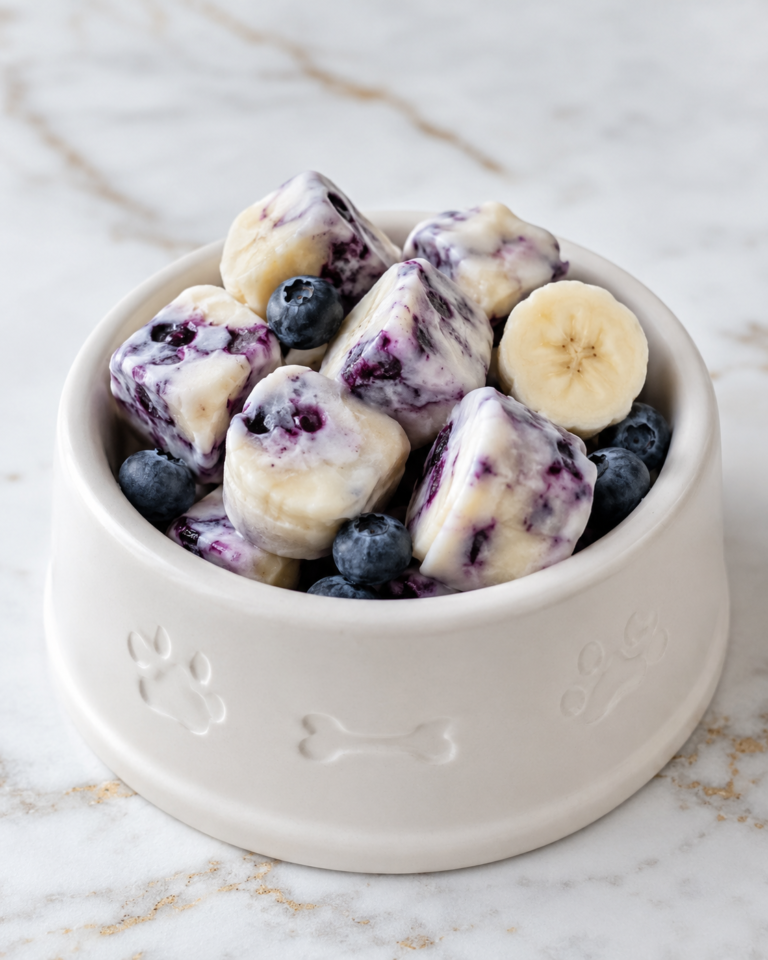

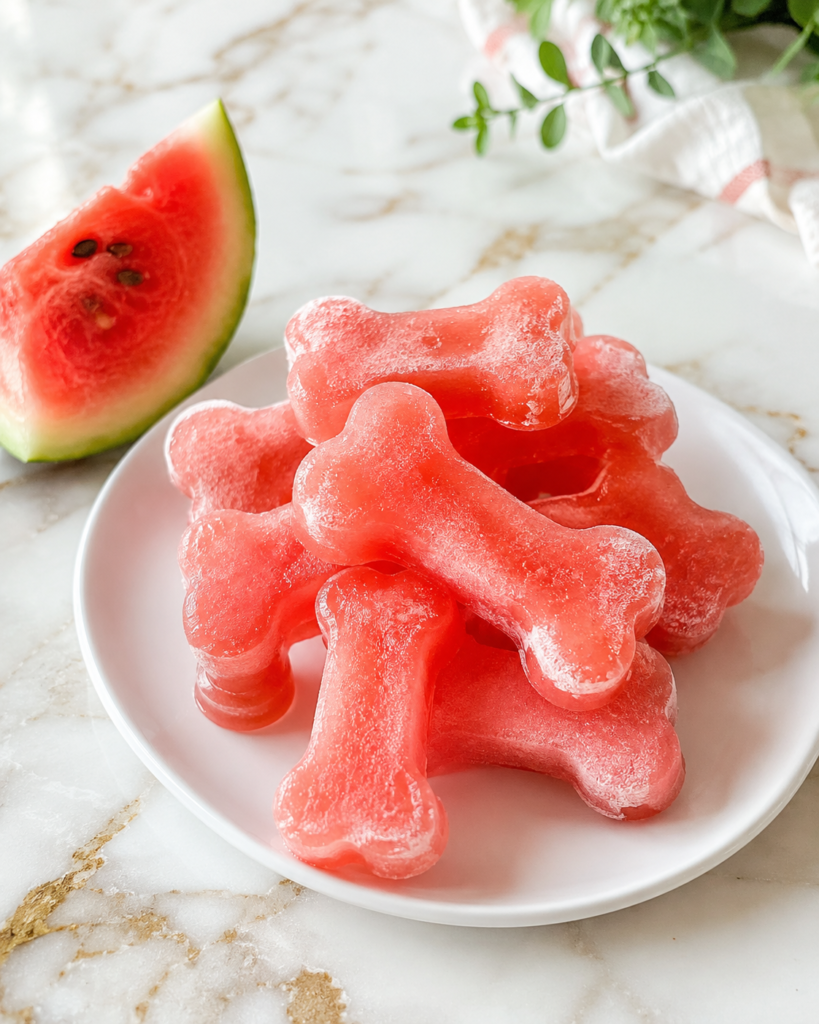
I enjoy making watermelon dog treats because they feel light, simple, and especially easy to prepare during warmer days. Watermelon has a naturally juicy texture, so it works well in a frozen treat that can be portioned into small, manageable servings.
This recipe feels thoughtful because it starts with careful preparation. Removing the rind and seeds, then blending the fruit with plain yogurt, turns a familiar summer ingredient into a calm homemade treat for your dog.
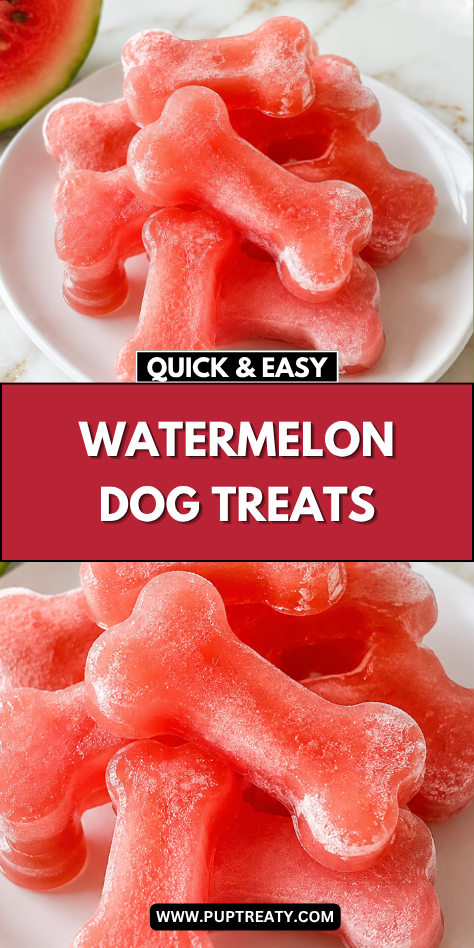
I like recipes like this when I want something refreshing to keep in the freezer without needing to bake. The process is quiet and simple, and it gives me a small homemade option to offer during everyday routines.
Watermelon dog treats fit naturally into warm afternoons, post-walk moments, or relaxed enrichment time at home. They can be served in small amounts as an occasional treat while your dog stays on their regular feeding routine.
These treats are meant to complement your dog’s normal meals, not replace them. When prepared safely and served in moderation, they can become a practical freezer treat for simple bonding moments.
Why This Recipe Is Great for Your Dog
This recipe uses simple, familiar ingredients that are easy to recognize. Seedless watermelon, plain unsweetened yogurt, and a small amount of water create a light frozen treat without added sugar, spices, or rich extras.
Watermelon brings a naturally juicy texture and mild sweetness. Because it contains a lot of moisture, it blends easily and freezes into a refreshing bite.
The texture is smooth, cold, and easy to adjust based on your dog’s needs. Smaller frozen pieces soften faster, while larger molds create a longer-lasting licking experience.
This recipe is easy for home cooks because there is no baking, rolling, or dough shaping. The mixture is blended, poured into molds, and frozen until firm.
Dogs often enjoy watermelon treats because the fruit has a fresh scent and gentle sweetness. When blended with plain yogurt, the mixture becomes lightly creamy while still staying simple.
The recipe is also easy to portion for different dog sizes. Mini molds are useful for small dogs, while medium molds can work for larger dogs when servings stay controlled.
Ingredients
- 2 cups seedless watermelon cubes
- 1/2 cup plain unsweetened yogurt
- 2 tablespoons water
- 1 tablespoon plain unsweetened applesauce
Tools You’ll Need
- Cutting board
- Sharp knife
- Measuring cups
- Measuring spoons
- Blender or food processor
- Spoon or silicone spatula
- Silicone dog treat molds or ice cube tray
- Baking sheet
- Freezer-safe airtight container
- Freezer-safe storage bag
Pro Tips
Use seedless watermelon and check each piece carefully before blending. Remove any black seeds, white seed pieces, rind, or tough pale flesh so only the soft red fruit goes into the treats.
Keep the pieces small before blending so the mixture becomes smooth quickly. Smaller cubes are easier on the blender and help create an even texture.
Choose plain unsweetened yogurt with no added flavors or sweeteners. Always check the label and avoid any yogurt that contains xylitol.
Place silicone molds or an ice cube tray on a baking sheet before filling. This keeps the molds steady and makes it easier to move them to the freezer without spilling.
Use small molds if your dog is new to frozen treats. Smaller portions soften more quickly and are easier to supervise during serving.
Let a very firm frozen treat rest for 2 to 3 minutes before serving. A slightly softened edge can make it easier for your dog to lick or nibble comfortably.
How Long This Recipe Takes
Preparation takes about 10 to 15 minutes. Most of that time is spent cutting the watermelon, checking for seeds and rind, blending the mixture, and filling the molds.
Freezing usually takes 3 to 4 hours. Small silicone molds may freeze closer to 3 hours, while deeper ice cube trays may need the full time to become firm.
The overall pacing of this recipe is calm and flexible. You can prepare the mixture in the morning and have frozen treats ready later in the day.
Because this recipe does not require baking, it is useful when you want a homemade treat without heating the kitchen. It also works well as a make-ahead freezer recipe for occasional warm-weather serving.
Make-Ahead Tips
Watermelon dog treats are well suited for make-ahead preparation because they are meant to stay frozen. You can prepare one batch and keep the treats ready for small, occasional servings.
After the treats are fully frozen, remove them from the molds and transfer them to a freezer-safe airtight container or storage bag. This protects the treats from freezer odors and keeps the molds available for another batch.
For easy portioning, choose mold sizes that match your dog’s size. Mini molds are helpful for small dogs, while standard ice cube trays can work for medium or larger dogs when served thoughtfully.
If you want the treats to stay separate, freeze them in the molds first and then place them in a single layer in a container. Once they are fully firm, they can be stacked with parchment paper between layers.
Safe thawing is simple because these treats are usually served frozen or slightly softened. If a treat feels too hard, let it sit briefly at room temperature, but do not leave it out for an extended period.
Step-by-Step Instructions
Step 1: Prepare the Molds
Place silicone dog treat molds or an ice cube tray on a baking sheet. This creates a flat, stable base for filling and transferring the treats to the freezer.
Choose molds that create portions appropriate for your dog. Smaller molds are often easier to serve and help keep the treats moderate.
Step 2: Cut the Watermelon
Place the watermelon on a cutting board and cut away the rind completely. Use only the soft red fruit for this recipe.
Cut the fruit into small cubes and measure 2 cups. Check the pieces carefully and remove any seeds, rind, or tough pale sections before blending.
Step 3: Add Watermelon to the Blender
Place the watermelon cubes in a blender or food processor. Spread the pieces out so they blend more evenly.
If your blender is small, work in two batches. This keeps the mixture smooth and prevents overfilling.
Step 4: Add the Yogurt
Add the plain unsweetened yogurt to the blender with the watermelon. Use a spoon or spatula to scrape all of the measured yogurt into the container.
The yogurt helps create a lightly creamy frozen texture. Make sure it is plain and free from added sweeteners or flavoring.
Step 5: Add the Applesauce and Water
Add the plain unsweetened applesauce and 2 tablespoons of water. These ingredients help the mixture blend smoothly and pour more easily into the molds.
If the watermelon is very juicy, you may not need extra water beyond the measured amount. Keep the mixture light but not overly thin.
Step 6: Blend Until Smooth
Blend the mixture until it looks smooth and evenly combined. Stop and scrape down the sides if needed so no pockets of yogurt remain.
The finished mixture should be pourable and pale pink. If there are small watermelon bits, blend a little longer for a smoother frozen treat.
Step 7: Fill the Molds
Carefully pour or spoon the mixture into the prepared molds or ice cube tray. Fill each cavity close to the top without overflowing.
Try to keep the portions even so they freeze at the same pace. Wipe away spills around the edges to make the treats easier to remove later.
Step 8: Freeze Until Firm
Transfer the baking sheet with the filled molds to the freezer. Freeze for 3 to 4 hours, or until the treats are completely firm.
Keep the molds flat while the treats freeze. Avoid placing heavy items on top of them while the mixture sets.
Step 9: Remove from the Molds
Once the treats are frozen solid, gently pop them out of the silicone molds or ice cube tray. If they resist, let the mold sit at room temperature for about 1 minute.
Work slowly so the treats keep their shape. Avoid forcing them out too hard, especially if your molds have small details.
Step 10: Store for Later
Transfer the frozen treats to a freezer-safe airtight container or storage bag. Label the container with the date so you can keep track of freshness.
Return the treats to the freezer right away after packing them. Remove one portion at a time when you are ready to serve.
Nutritional Notes for Dogs
Watermelon dog treats are meant to be a complementary homemade treat within your dog’s regular feeding routine. They are not a meal replacement, but they can be a light occasional option when served in small portions.
Watermelon brings moisture, mild natural sweetness, and a soft blended texture to this recipe. Because it is naturally juicy, it freezes well into a refreshing treat that can be easy to portion.
Plain unsweetened yogurt gives the mixture a lightly creamy texture. It helps the frozen treats soften a little after resting briefly, which can make them easier for many dogs to lick or nibble.
Plain unsweetened applesauce adds a small amount of fruit flavor and helps the mixture blend smoothly. It should be used without added sugar, spices, or artificial sweeteners.
These treats fit best into a balanced feeding routine when they are served occasionally. Regular meals should remain the foundation of your dog’s diet, with homemade treats kept as small additions.
Moderation is especially important with fruit-based treats because fruit adds natural sweetness to the day. Start with a small piece when introducing watermelon treats and observe how your dog handles the cold texture and ingredients.
Ingredient Swaps and Variations
Dairy-free: Use plain unsweetened coconut yogurt instead of dairy yogurt, making sure it contains no xylitol, added sugar, or unsafe sweeteners.
Grain-free: This recipe is naturally grain-free because it does not include oats, wheat, rice, or any grain-based ingredients.
Flavor variation: Replace the applesauce with 1 tablespoon of plain pumpkin puree for a slightly thicker texture and mild earthy flavor.
Texture adjustment: Use less water for a firmer, fruitier frozen treat, or add a small splash more water if the mixture is too thick to pour.
Mini version: Freeze the mixture in mini silicone molds or fill standard molds only halfway for smaller dogs, puppies, or tiny occasional rewards.
How to Serve Safely
Serve watermelon dog treats in portions that match your dog’s size, age, and chewing style. A small dog may only need one mini frozen piece, while a medium or large dog may be able to enjoy one standard ice cube-sized portion.
When offering these treats for the first time, begin with a small serving. This gives you a chance to observe how your dog handles the cold texture and the fruit-based mixture.
Always supervise your dog while they eat frozen treats. Some dogs lick frozen treats slowly, while others try to bite them right away, so watching helps you decide what size works best.
If a treat feels very hard straight from the freezer, let it sit at room temperature for 2 to 3 minutes before serving. This softens the edges slightly and can make the treat easier to lick or nibble.
These treats are suitable for warm afternoons, quiet enrichment moments, or a small reward after a walk. They can also be served in a dog-safe bowl to help contain drips as they soften.
Keep moderation in mind when adding frozen treats to your dog’s routine. Even simple homemade treats should remain a small part of the day alongside regular meals.
Common Mistakes to Avoid
Leaving seeds in the watermelon is an important mistake to avoid. Check each piece carefully and remove any black seeds or seed fragments before blending.
Including rind or tough pale watermelon flesh can affect the texture and safety of the treat. Use only the soft red fruit and discard the rind completely.
Using sweetened or flavored yogurt can add ingredients that are not appropriate for dogs. Choose plain unsweetened yogurt and read the label before using it.
Forgetting to check for xylitol is a serious safety concern. Avoid any yogurt, applesauce, or packaged ingredient that lists xylitol or unsafe sweeteners.
Adding too much water can make the treats very icy and less pleasant in texture. Use the measured amount and add more only if the mixture truly needs help blending.
Making the treats too large can make serving harder, especially for small dogs. Use mini molds or partially fill larger molds so the portions are easier to manage.
Leaving frozen treats uncovered in the freezer can affect flavor and texture. Once they are fully frozen, move them to an airtight freezer-safe container or sealed freezer bag.
Storage and Freshness Tips
Watermelon dog treats should be stored in the freezer. They are not suited for room-temperature storage because they melt quickly and contain fruit and yogurt.
Room-temperature time should be limited to brief softening before serving. If a treat melts completely or sits out for an extended period, discard it rather than refreezing it.
Once the treats are frozen solid, remove them from the molds and transfer them to a freezer-safe airtight container. This helps protect them from freezer odors and reduces heavy ice buildup.
A freezer-safe storage bag also works well if you press out extra air before sealing. If the treats are slightly sticky, place parchment paper between layers to help prevent them from freezing together.
These treats are best used within 1 to 2 months. They may remain frozen longer, but the texture and freshness are usually better within that window.
Label the container with the date the batch was made. This simple habit makes it easier to rotate homemade treats and avoid leaving them forgotten in the freezer.
Check the treats before serving, especially if they have been stored for several weeks. Discard any that smell sour, show unusual discoloration, have heavy freezer burn, or appear to have thawed and refrozen.
FAQs
Can I use frozen watermelon?
Yes, frozen watermelon can be used if it is plain and seedless. Let it soften slightly before blending so your blender can process it smoothly.
Can I make these treats without yogurt?
Yes, you can replace the yogurt with plain unsweetened coconut yogurt or a little extra watermelon. The texture may be icier without yogurt, but the treats will still freeze.
Do I need seedless watermelon?
Seedless watermelon is easiest, but you should still check it carefully. Remove any black seeds, white seed pieces, rind, or tough pale flesh before blending.
Can puppies have watermelon dog treats?
Puppies may have a tiny amount if the ingredients fit their current feeding routine. Keep the portion very small and supervise closely because frozen textures may be new.
How long do these treats need to freeze?
Most molds need 3 to 4 hours to freeze fully. Larger or deeper molds may need additional time until the centers are firm.
Why are my treats too icy?
The mixture may have too much water or not enough yogurt. Use less added water next time and choose smaller molds so the treats soften more quickly.
How often can I serve these treats?
Serve them occasionally and in portions that match your dog’s size and routine. Treats should remain a small part of the day alongside regular meals.
Cool Watermelon Treats for Warm, Quiet Moments
Watermelon dog treats are a light, freezer-friendly homemade option made with simple ingredients and careful portioning in mind. With seed-free fruit, safe storage, and thoughtful serving sizes, they can fit naturally into warm days, post-walk routines, and calm everyday care.