
Preparing homemade training treats can be a practical way to support everyday learning with dogs. Chicken training dog treats are designed to be small, soft, and easy to chew, making them especially helpful during short practice sessions. With simple ingredients and straightforward preparation, this recipe can fit comfortably into a regular kitchen routine.

I enjoy making training treats that rely on familiar ingredients and balanced flavors. Chicken is a commonly used protein in homemade dog recipes because it blends well with grains and vegetables. When prepared carefully, it can create soft treats that are easy to portion for training.
These treats are especially useful because they can be made in very small sizes. Smaller pieces allow dogs to receive frequent rewards during training without interrupting the flow of practice. This makes them practical for reinforcing commands or encouraging calm behavior.
Chicken also contributes a mild, savory flavor that many dogs recognize and enjoy. When finely shredded or blended into dough, it distributes evenly throughout the mixture. This helps create treats that remain consistent in texture and flavor.
Another benefit of homemade training treats is the flexibility in shaping the dough. The mixture can be rolled thin and cut into tiny squares or shaped into small rounds. This allows the portion size to be adjusted depending on the dog receiving them.
Homemade treats can also create small moments of connection during the day. Dogs often notice when ingredients are being prepared and may watch closely from nearby. These quiet interactions can become part of the familiar routine of caring for them.
Keeping a container of small training treats nearby can make daily practice easier. Whether used during obedience training or short reinforcement sessions, homemade treats can help support consistent reward routines.
Why This Recipe Is Great for Your Dog
One of the most appealing aspects of this recipe is the simplicity of the ingredients. Each ingredient is easy to recognize and commonly used in homemade dog treat recipes.
The texture of these treats is soft and slightly tender after baking. This makes them easy to chew quickly during training sessions without slowing the learning process.
Preparation is also very manageable. Once the chicken is cooked and shredded, the dough forms quickly when combined with the remaining ingredients.
Dogs often respond well to the familiar flavor of chicken. When blended with simple ingredients like oats and flour, the flavor becomes balanced and mild.
Another advantage of training treats is their small size. The dough can easily be shaped into bite-sized pieces that work well for frequent rewards.
Ingredients
- 1 cup cooked shredded chicken
- 1 cup whole wheat flour
- ½ cup rolled oats
- 1 large egg
- 2 tablespoons unsweetened applesauce
- 1 tablespoon water
Tools You’ll Need
- Mixing bowl
- Cutting board
- Knife
- Fork or food processor
- Measuring cups
- Measuring spoons
- Spoon or spatula
- Rolling pin
- Cookie cutter or knife for shaping
- Baking sheet
- Parchment paper
- Cooling rack
- Airtight storage container
Pro Tips
Use plain cooked chicken without added seasoning. Simple cooked chicken helps keep the treats suitable for dogs.
Shred the chicken finely so it blends smoothly into the dough. Smaller pieces help the treats bake evenly.
If the chicken pieces seem large, pulse them briefly in a food processor. This creates a finer texture that mixes more easily with the dough.
Roll the dough thin when preparing training treats. Thin dough allows you to cut many small pieces suitable for frequent rewards.
If the dough feels sticky while shaping, lightly dust the surface with flour. This helps prevent sticking during rolling.
Allow the treats to cool completely before storing them. Proper cooling helps them develop their final soft texture.
How Long This Recipe Takes
Preparing the ingredients usually takes about fifteen minutes. This includes cooking and shredding the chicken if it has not already been prepared.
Mixing the dough and shaping the treats typically requires another fifteen minutes. Rolling and cutting the dough into small pieces may take slightly longer depending on the number of treats.
Baking the treats usually takes about twenty to twenty-five minutes. During this time the dough firms up while remaining soft inside.
After baking, the treats should cool on a rack for at least twenty minutes. Cooling helps the treats set and develop their final texture.
Overall, the entire process can usually be completed within about one hour. The steps remain simple and manageable from start to finish.
Make-Ahead Tips
The dough for these training treats can be prepared ahead of time if needed. After mixing, it can be wrapped and stored in the refrigerator for several hours before baking.
Preparing a larger batch can be helpful for households that train regularly. Doubling the ingredients allows more treats to be prepared in a single session.
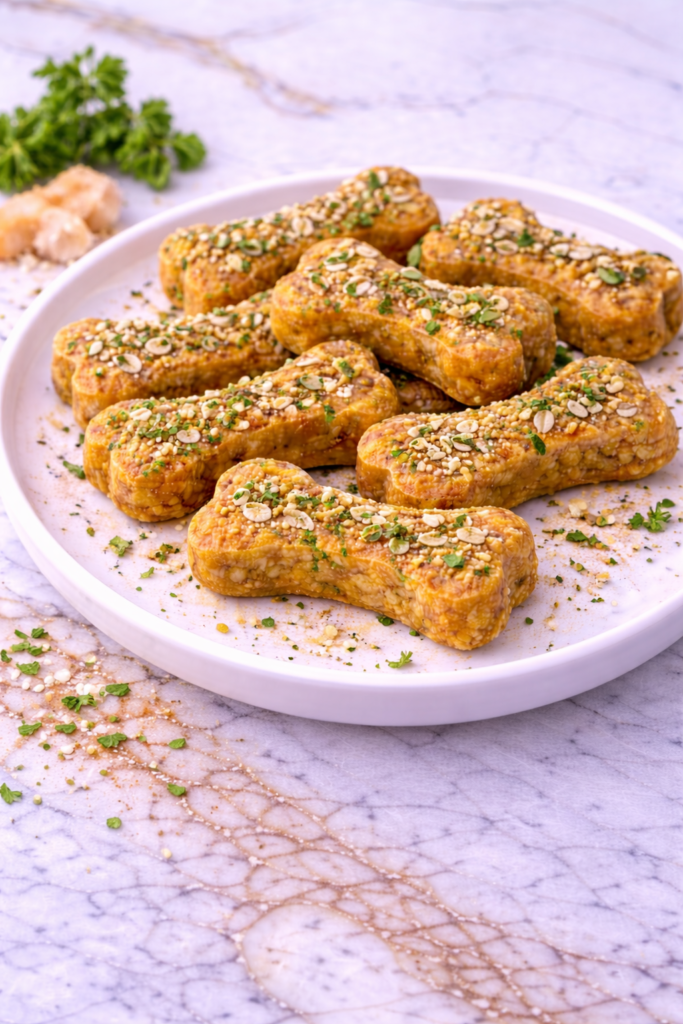
Once baked and cooled, the treats can be stored in airtight containers for convenient use during training sessions. Proper storage helps maintain their soft texture.
Freezing is another useful option for longer storage. The treats can be placed in freezer-safe containers or bags once cooled completely.
Dividing the treats into smaller freezer portions can make serving easier later. Only a small portion needs to be thawed at a time.
When thawing frozen treats, allow them to rest briefly at room temperature before serving. This helps maintain their texture.
Step-by-Step Instructions
Step 1: Prepare the Chicken
Cook the chicken thoroughly if it has not already been prepared. Plain baked or boiled chicken works well for this recipe.
Once cooked, allow the chicken to cool slightly and shred it into small pieces.
Step 2: Chop or Process the Chicken
Place the shredded chicken on a cutting board and chop it finely with a knife. Smaller pieces blend more evenly into the dough.
If preferred, pulse the chicken briefly in a food processor.
Step 3: Combine the Wet Ingredients
Place the shredded chicken into a mixing bowl. Add the egg and applesauce.
Stir the ingredients together until they form a consistent mixture.
Step 4: Add the Dry Ingredients
Add the whole wheat flour and rolled oats to the bowl. Stir gradually while combining the ingredients.
Continue mixing until the ingredients begin forming a soft dough.
Step 5: Adjust the Dough
Add the water and continue mixing until the dough becomes smooth and workable. If the dough feels sticky, sprinkle in a small amount of flour.
The dough should be soft but firm enough to roll.
Step 6: Roll and Cut the Dough
Place the dough onto a lightly floured surface and roll it thin. Use a knife or small cutter to cut the dough into tiny squares.
Place the pieces onto a parchment-lined baking sheet.
Step 7: Bake the Treats
Place the baking sheet in a preheated oven at 350°F. Bake the treats for about 20 to 25 minutes until they are set and lightly firm.
Remove the treats from the oven and transfer them to a cooling rack. Allow them to cool completely before storing or serving.
Ingredient Swaps and Variations
- Dairy-free: This recipe is naturally dairy-free when prepared with simple whole ingredients. Always check packaged ingredients such as applesauce to confirm they contain no dairy additives.
- Grain-free: Replace the whole wheat flour and rolled oats with oat flour or another dog-safe grain-free flour blend. When using alternative flour, small adjustments to moisture may be needed to keep the dough workable.
- Flavor variation: Finely grated carrot or mashed sweet potato can replace part of the chicken to create a slightly different flavor while maintaining a similar dough consistency.
- Texture adjustment: For slightly firmer treats, roll the dough thinner and extend the baking time by a few minutes. For softer treats, roll the dough slightly thicker and reduce the baking time slightly.
- Mini version: Cut the dough into very small squares or use mini cookie cutters to create bite-sized treats. Smaller pieces are especially useful for longer training sessions.
Nutritional Notes for Dogs
Chicken is commonly used in homemade dog treat recipes because it provides a mild, familiar flavor that many dogs enjoy. When cooked and shredded finely, it blends easily into dough and distributes evenly throughout the treats.
Whole wheat flour helps provide structure to the dough. It allows the treats to hold their shape during baking and creates a stable texture once cooled.
Rolled oats add gentle texture and help absorb moisture from the chicken and applesauce. This helps create a balanced dough that is easy to shape and bake.
Eggs serve as a natural binding ingredient in many baked dog treat recipes. They help keep the ingredients combined so the treats maintain their structure during baking.
Applesauce contributes a small amount of moisture and mild sweetness to the mixture. Using unsweetened applesauce helps keep the ingredient list simple.
Homemade training treats should be offered in moderation. They work best as small rewards alongside a dog’s regular meals rather than replacing balanced feeding routines.
How to Serve Safely
Portion size should remain small when using training treats. Small pieces allow dogs to receive frequent rewards without consuming large amounts of food during training sessions.
Supervising dogs during treat time helps ensure they chew comfortably. Observing how a dog interacts with a new treat helps confirm the size and texture are appropriate.
These treats are best served during short training sessions, obedience practice, or calm reinforcement moments. Their small size helps maintain the rhythm of training.
If the treats are slightly larger than needed, they can easily be broken into smaller pieces. This helps maintain proper portion control during longer practice sessions.
Moderation remains important even with small treats. Maintaining balance between rewards and regular meals supports consistent feeding habits.
Common Mistakes to Avoid
One common mistake is using chicken that contains seasoning or added ingredients. Plain cooked chicken should always be used in homemade dog treats.
Another issue occurs when the chicken is not chopped or shredded finely enough. Larger pieces may prevent the dough from mixing evenly.
Adding too much moisture during mixing can make the dough sticky and difficult to roll. Liquid should be added gradually until the dough becomes workable.
Adding too much flour can also affect the texture of the finished treats. Excess flour may create dry or dense pieces.
Rolling the dough unevenly may lead to inconsistent baking. Some treats may become firmer while others remain soft if the thickness varies widely.
Storing treats before they have cooled completely may trap moisture inside the container. This can shorten their shelf life.
Storage and Freshness Tips
Once the treats have cooled completely, place them in an airtight container. Proper sealing helps maintain their texture and freshness.
Because these treats contain cooked chicken, refrigeration is recommended for short-term storage. Store them in a sealed container in the refrigerator.
For longer storage, freezing is a convenient option. Once cooled, the treats can be placed in freezer-safe bags or containers.
Dividing the treats into smaller freezer portions can make serving easier later. Only the needed amount can be thawed at one time.
When thawing frozen treats, allow them to rest briefly in the refrigerator or at room temperature. This helps maintain their texture.
Before serving stored treats, inspect them for signs of spoilage. Any unusual odor, discoloration, or visible mold indicates they should be discarded.
FAQs
Can dogs safely eat chicken in homemade treats?
Yes, plain cooked chicken is commonly used in homemade dog treat recipes. It should always be prepared without seasoning or added ingredients.
What type of chicken works best for this recipe?
Boneless, skinless chicken breast or thigh works well. The chicken should be cooked thoroughly and shredded finely before mixing.
Can I replace whole wheat flour in this recipe?
Yes, alternative flours such as oat flour can replace whole wheat flour. Minor adjustments to moisture may be needed to maintain the dough consistency.
How small should training treats be?
Training treats should be small enough for a dog to chew quickly without interrupting the flow of practice. Bite-sized pieces are usually ideal.
Can these treats be used for puppies?
Small, soft treats like these can sometimes be used during early training. Portion size should be very small and appropriate for the puppy’s size.
Can homemade chicken dog treats be frozen?
Yes, freezing is an effective way to store homemade chicken treats for longer periods. Once thawed, they can be served normally.
How long do homemade chicken training treats usually last?
When stored in the refrigerator, homemade chicken treats typically last several days. Freezing can extend their shelf life for longer storage.
A Practical Homemade Reward for Training
Chicken training dog treats offer a simple way to prepare small rewards using familiar ingredients. The recipe is easy to follow and produces soft treats that are convenient for frequent use.
Once baked and stored properly, these treats can be ready whenever a training session begins. Their mild flavor and small size make them a practical addition to everyday reward routines.