
Turkey Jerky Chews for Dogs are a simple homemade treat for days when you want something savory, lean, and easy to portion. I enjoy preparing recipes like this because they use one main ingredient and turn it into a chewy snack with careful, slow drying.
There is something thoughtful about making jerky at home for your dog. You can choose plain turkey, skip unnecessary seasonings, and control the thickness and texture of each strip.
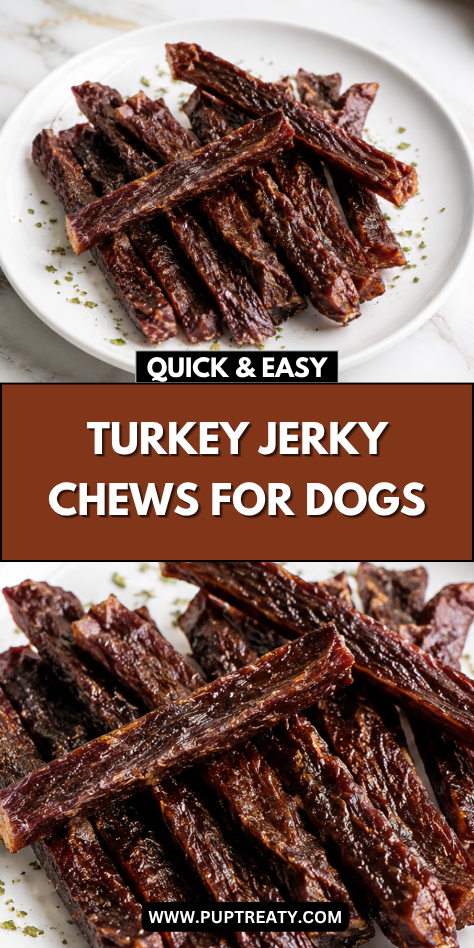
This recipe fits naturally into everyday dog care because the finished chews can be stored in small portions. They work well as an occasional reward after a walk, during calm training, or as a special snack during quiet moments.
Turkey has a mild flavor that many dogs enjoy. When dried slowly, it becomes chewy and aromatic without needing added salt, garlic, onion, sauces, or spices.
These chews are meant to be a complementary homemade treat, not a meal replacement. They should be served in moderation alongside your dog’s regular balanced food.
Why This Recipe Is Great for Your Dog
This recipe keeps the ingredient list very simple. Plain turkey breast is sliced thinly, arranged in a single layer, and dried slowly until it becomes firm and chewy.
The texture is one of the main reasons dogs tend to enjoy jerky-style treats. A properly dried strip gives dogs something to chew without being overly hard or crumbly.
The preparation is also straightforward for home cooks. The most important parts are slicing the turkey evenly, drying it fully, and storing it safely after cooling.
Turkey has a mild savory smell that becomes more noticeable as it dries. This makes the finished chews appealing while still keeping the recipe plain and dog-appropriate.
These chews are easy to adjust based on your dog’s size. You can cut thin strips for small dogs or slightly longer strips for larger dogs that chew steadily.
This recipe is useful when you want a homemade meat treat without extra ingredients. It takes time, but most of that time is hands-off while the turkey dries.
Ingredients
- 1 pound boneless, skinless turkey breast
- 1 tablespoon water, if needed for patting surface moisture
Tools You’ll Need
- Cutting board
- Sharp knife
- Paper towels
- Kitchen shears, optional
- Measuring spoon
- Dehydrator or baking sheet
- Parchment paper, if using oven
- Wire cooling rack
- Tongs
- Airtight storage container
- Refrigerator-safe container
- Freezer-safe bag or container
Pro Tips
Use boneless, skinless turkey breast for the cleanest texture. Remove any visible fat, skin, or tough connective pieces before slicing.
Slice the turkey as evenly as possible. Thin, even strips dry more consistently and are easier to portion for different dog sizes.
Pat the turkey dry before arranging it on the tray. Removing surface moisture helps the strips dry more evenly and reduces excess wetness during the process.
Do not add salt, garlic, onion, marinades, sauces, or seasoning blends. Plain turkey is the safest and simplest choice for this homemade dog treat.
Dry the turkey until it is firm and chewy, not soft or wet. Underdried meat can spoil quickly, so take time to check the texture carefully.
Cool the jerky completely before storing. Warm strips can release steam inside a container and affect freshness.
How Long This Recipe Takes
Preparation takes about 15 to 20 minutes. This includes trimming the turkey, slicing it into strips, patting it dry, and arranging it on the drying tray.
Dehydrator drying usually takes about 4 to 6 hours. The exact timing depends on the thickness of the strips and the strength of your dehydrator.
Oven drying can take about 2 1/2 to 4 hours at a low temperature. The strips should be checked regularly near the end so they become dry and chewy without turning brittle.
The full recipe usually takes about 3 to 6 hours from start to finish. Most of that time is hands-off, but the jerky should still be checked for texture and doneness.
This recipe works best when you are not rushed. Slow drying gives the chews a better texture and helps make storage safer.
Make-Ahead Tips
Turkey Jerky Chews are a good make-ahead treat because they can be portioned after drying. Once fully cooled, cut longer strips into smaller pieces based on your dog’s size.
You can prepare a batch and store a small amount in the refrigerator for short-term use. Keep the rest in the freezer if you do not plan to serve it within a few days.
For batch preparation, arrange the turkey strips in a single layer and avoid overlapping. Air needs to move around each piece so the jerky dries evenly.
Refrigeration is the best option for everyday storage after drying. Homemade meat treats do not contain preservatives, so they should be kept chilled.
For longer storage, freeze the cooled jerky in small portions. This makes it easy to thaw only what you need.
Thaw frozen turkey jerky in the refrigerator before serving. Avoid leaving meat treats at room temperature for long periods, especially in warm kitchens.
Step-by-Step Instructions
Step 1: Prepare the Turkey
Place the boneless, skinless turkey breast on a clean cutting board. Trim away any visible fat, skin, or tough pieces.
Lean turkey dries more evenly than fatty pieces. Fat can also affect freshness, so it is best to remove as much as possible.
Step 2: Slice into Thin Strips
Use a sharp knife to slice the turkey into thin strips. Aim for pieces about 1/8 inch to 1/4 inch thick.
Try to keep the strips similar in thickness. Even pieces dry at a similar pace and make the finished chews more consistent.
Step 3: Adjust the Size
Cut the strips shorter if you are making treats for small dogs. Larger dogs may be able to handle longer strips, but the pieces should still be easy to chew.
Kitchen shears can help trim pieces neatly. Avoid thick chunks, since they take longer to dry and may stay moist in the center.
Step 4: Pat the Turkey Dry
Place the turkey strips on paper towels. Gently pat both sides to remove surface moisture.
The turkey should not be dripping wet before drying. A drier surface helps the strips firm up more evenly.
Step 5: Prepare the Dehydrator or Oven
If using a dehydrator, arrange the turkey strips on the trays in a single layer. Leave a little space between each strip so air can circulate.
If using an oven, preheat it to the lowest safe setting, usually around 170°F. Line a baking sheet with parchment paper and place a wire rack on top if available.
Step 6: Arrange the Turkey Strips
Place the turkey strips in a single layer without overlapping. Overlapping can prevent parts of the meat from drying properly.
Make sure each strip lies as flat as possible. This helps create an even chewy texture from edge to edge.
Step 7: Begin Drying
Place the trays in the dehydrator or the baking sheet in the oven. Let the turkey dry slowly until the strips begin to shrink and firm up.
If using the oven, turn the strips halfway through drying. This helps both sides dry more evenly.
Step 8: Check the Texture
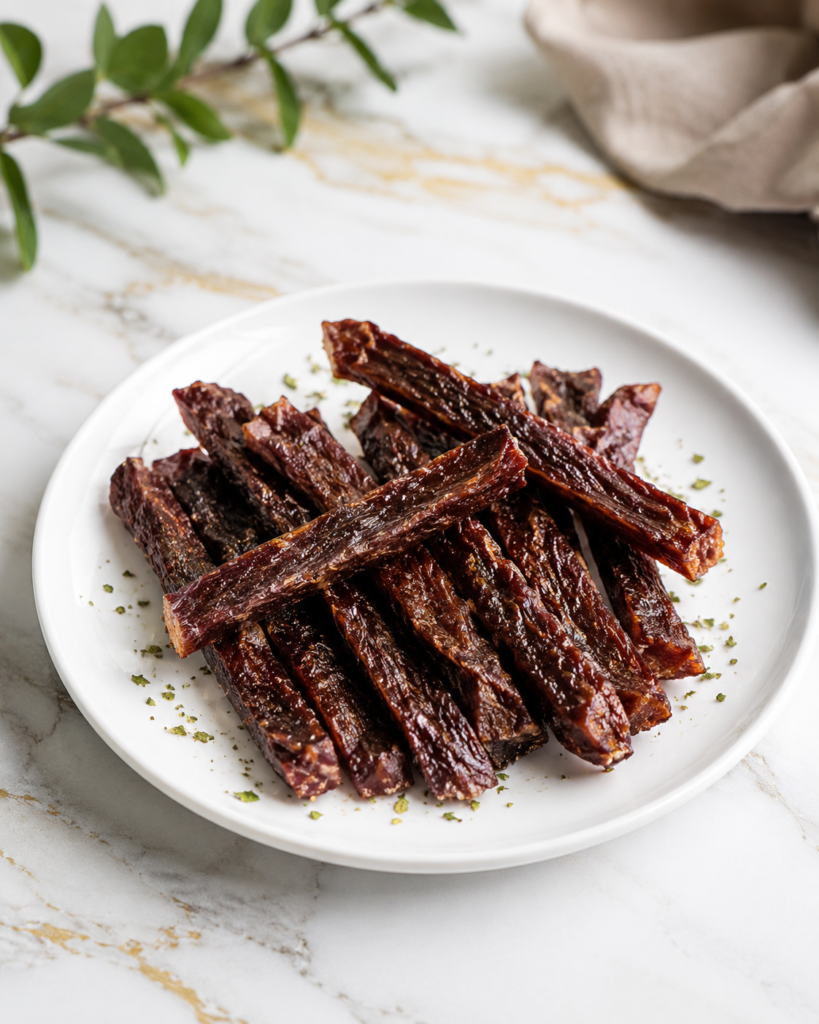
Start checking the turkey near the lower end of the drying time. The strips should look darker, feel firm, and bend slightly without feeling wet.
If any strip feels soft, damp, or thick in the center, continue drying. Homemade jerky should not have a raw or moist interior.
Step 9: Cool Completely
Transfer the dried turkey strips to a wire cooling rack. Let them cool completely before handling or storing.
Cooling helps the final texture settle. It also prevents trapped steam from softening the jerky in the container.
Step 10: Portion the Chews
Cut cooled jerky strips into smaller pieces if needed. Match the portion size to your dog’s body size and chewing habits.
Small dogs may need tiny strips or pieces. Larger dogs may enjoy a longer chew as an occasional treat with supervision.
Step 11: Store Safely
Place the cooled turkey jerky in an airtight container. Store it in the refrigerator for short-term use or freeze it for longer freshness.
Label the container with the date. This makes it easier to track storage time and keep each batch fresh.
Nutritional Notes for Dogs
Turkey Jerky Chews for Dogs are intended to be served as a homemade treat, not as a full meal. They can fit into your dog’s routine when offered in small portions alongside regular balanced food.
Turkey is a lean protein ingredient with a mild flavor that many dogs enjoy. In this recipe, it is kept plain so the treat stays simple and focused.
Because the turkey is dried, the flavor and texture become more concentrated. A small piece can feel satisfying, so portions do not need to be large.
These chews should be served occasionally. Even plain meat treats can add extra food to your dog’s day when given too often.
The best feeding approach is steady and moderate. Use these jerky chews as a small reward, not as a main part of your dog’s daily diet.
It is helpful to observe your dog when offering a new homemade treat. Start with a small piece and watch how your dog chews, swallows, and responds.
Avoid adding seasoning, salt, sauces, garlic, onion, or spice blends. Plain turkey is enough for a safe, simple homemade chew.
Ingredient Swaps and Variations
- Dairy-free: This recipe is naturally dairy-free because it uses plain turkey only.
- Grain-free: This recipe is naturally grain-free because it does not include oats, wheat, rice, or other grains.
- Flavor variation: Use plain boneless, skinless chicken breast instead of turkey breast for a similar chewy treat.
- Texture adjustment: Slice thinner strips for a drier, firmer chew or slightly thicker strips for a softer chew, making sure the meat dries fully.
- Mini version: Cut the turkey into small narrow strips before drying for small dogs or training-style portions.
How to Serve Safely
Serve Turkey Jerky Chews in portions that fit your dog’s size and chewing style. Small dogs may only need a tiny strip, while larger dogs may enjoy a longer piece occasionally.
Always supervise your dog while eating jerky-style treats. Chewy meat strips can be exciting for dogs, and some may try to swallow pieces too quickly.
If your dog tends to gulp treats, cut the jerky into smaller pieces before serving. Smaller portions are easier to manage and make treat time more controlled.
These chews can be served after walks, during calm training, or as a small reward during quiet routines. They also work well when you want a simple, savory homemade treat.
Keep servings moderate because dried meat is more concentrated than fresh cooked meat. One small piece is often enough, especially if your dog has already had treats that day.
Do not serve jerky that feels damp, sticky, spoiled, or unusual. Homemade meat treats need careful storage because they do not contain preservatives.
If the jerky has been frozen, thaw it in the refrigerator before serving. Avoid leaving meat treats out on the counter for long periods.
Common Mistakes to Avoid
Using seasoned turkey is one of the biggest mistakes to avoid. Salt, garlic, onion, sauces, marinades, and spice blends should not be used in this recipe.
Leaving visible fat on the turkey can affect texture and freshness. Trim away skin, fat, and tough pieces before slicing the meat.
Cutting strips too thick can cause uneven drying. Thick pieces may look dry on the outside but stay moist in the center.
Overlapping the turkey on the tray can prevent proper airflow. Arrange the strips in a single layer with space between each piece.
Drying the turkey for too little time can make storage unsafe. The strips should feel firm and dry on the surface, without soft or wet centers.
Drying the jerky too long can make it brittle or sharp at the edges. Check the texture near the end and stop when the pieces are dry but still chewable.
Storing warm jerky in a sealed container can trap steam. Let the strips cool completely before placing them in storage.
Keeping homemade turkey jerky at room temperature for too long can reduce freshness. Since it is a homemade meat treat, refrigeration or freezing is the better choice.
Serving large strips to small dogs can make chewing harder. Cut the jerky into pieces that match your dog’s size and eating habits.
Forgetting to label the storage container can make freshness harder to track. Add the date so you know when the batch was prepared.
Storage and Freshness Tips
Store fully cooled Turkey Jerky Chews in an airtight container in the refrigerator. Homemade meat treats should be kept chilled because they do not include preservatives.
For best freshness, use refrigerated turkey jerky within 3 to 4 days. Keep the container sealed and remove pieces with clean hands or tongs.
Room-temperature storage is not recommended for this recipe. Even when dried, homemade turkey jerky can still hold some moisture and should be handled carefully.
For longer storage, freeze the cooled jerky in small portions. Place the pieces in a freezer-safe bag or container and press out extra air before sealing.
Frozen turkey jerky can be stored for up to 2 months. Label the container with the date so the batch is easy to track.
Thaw frozen jerky in the refrigerator before serving. This keeps the texture steady and helps the treat stay fresh.
Avoid thawing and refreezing the same pieces repeatedly. Portioning the jerky before freezing makes it easier to remove only what you need.
Check the jerky before offering it to your dog. Discard it if it smells sour, feels slimy, looks moldy, or has an unusual color.
If any piece feels damp after storage, use extra caution. When in doubt, throw it away and make a fresh batch.
FAQs
Can dogs eat turkey jerky chews?
Yes, many dogs can enjoy plain turkey jerky chews in small portions. Use boneless, skinless turkey breast and avoid seasoning, salt, garlic, onion, and sauces.
Does homemade turkey jerky need to be refrigerated?
Yes, refrigeration is recommended for homemade turkey jerky. Since it does not contain preservatives, it should be stored chilled and used within a few days.
Can I make this recipe in the oven?
Yes, you can dry turkey strips in a low-temperature oven. Check them often and make sure the strips dry fully without burning.
How dry should the jerky be?
The jerky should feel firm, dry on the surface, and chewy. It should not feel wet, soft in the center, or raw.
Can I use ground turkey?
Ground turkey is not ideal for this simple chew-style recipe. Sliced turkey breast creates a cleaner strip and is easier to dry evenly.
Can puppies have turkey jerky?
Puppies may have a tiny piece if they already tolerate turkey and can chew it safely. Keep portions very small and supervise closely.
How many pieces can I give my dog?
The amount depends on your dog’s size, normal diet, and daily treat routine. Start with one small piece and keep jerky as an occasional treat.
A Simple Turkey Chew for Calm Reward Moments
Turkey Jerky Chews for Dogs are a plain, savory homemade treat that fits well into thoughtful feeding routines. With careful drying, safe storage, and small portions, they can offer a chewy reward while keeping treat time simple, moderate, and comfortable for your dog.