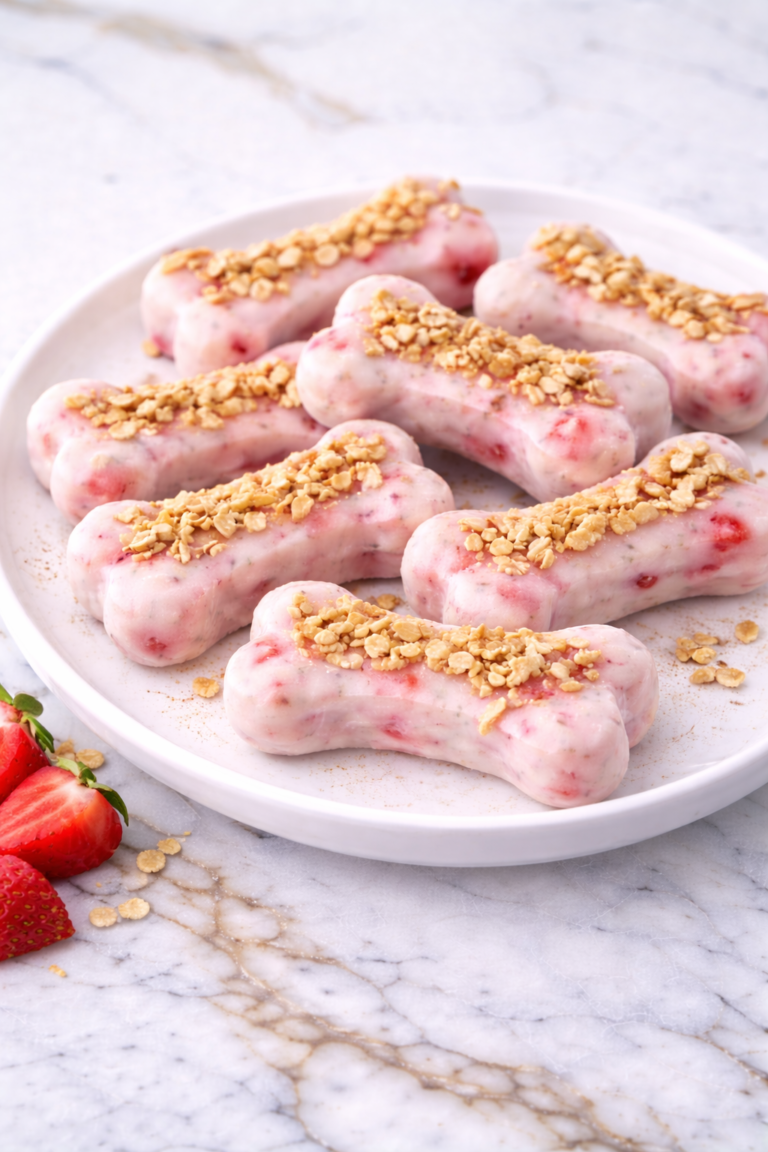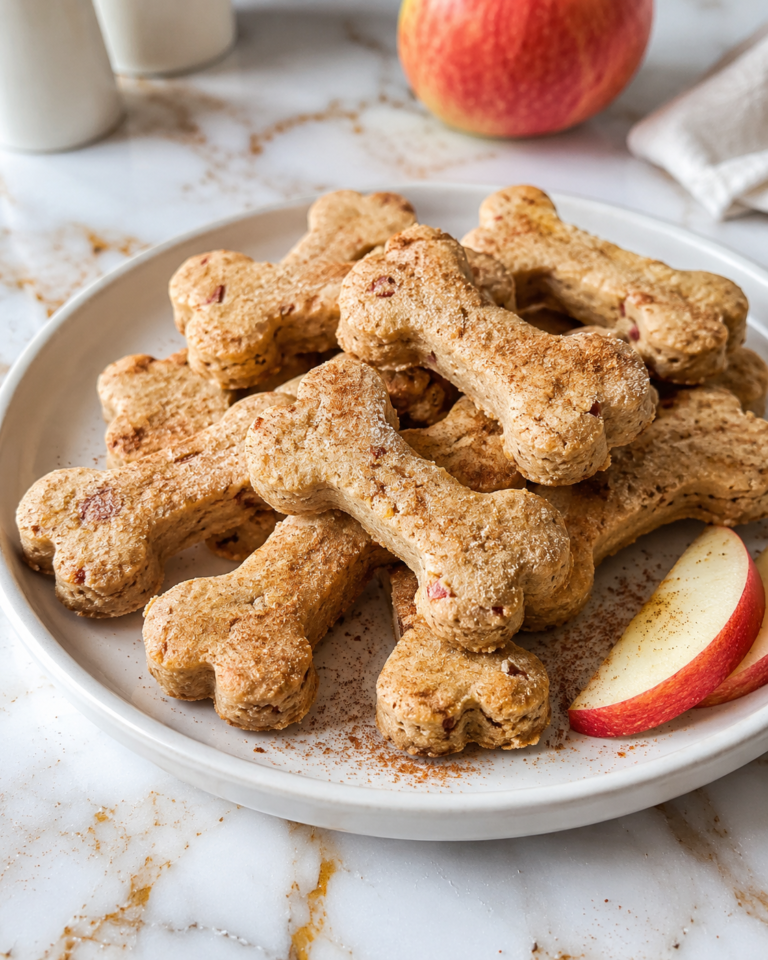

I enjoy making apple, carrot, and oat dog chews because they feel simple, familiar, and easy to prepare with everyday ingredients. The recipe has a calm rhythm, with a little grating, mixing, shaping, and slow baking.
This type of chew feels thoughtful because it brings together gentle produce and hearty oats in a homemade form. Apple adds moisture and mild fruit flavor, carrot brings natural sweetness, and oats help create a firm, chewy texture.
I like recipes like this for everyday dog care because the chews can be shaped into small portions and stored for occasional use. A homemade chew can fit naturally after a walk, during a quiet afternoon, or as a calm reward.
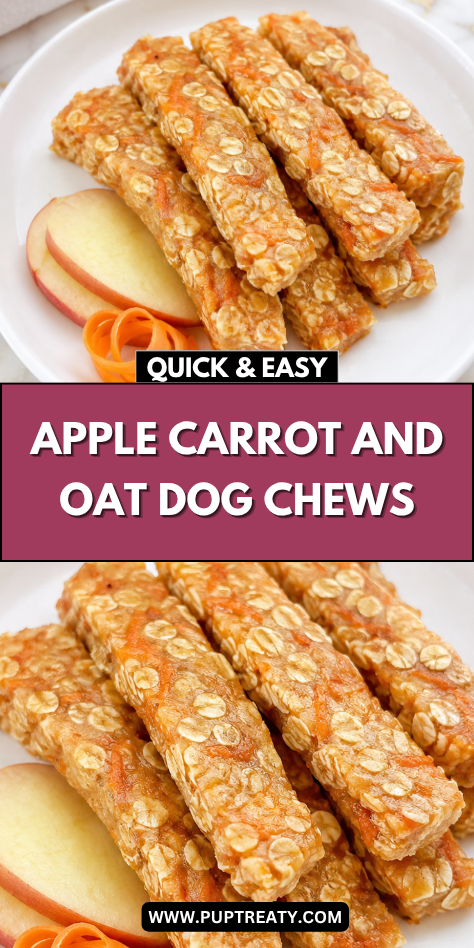
There is something comforting about grating an apple and carrot while your dog waits nearby with patient interest. Even a simple recipe can become a small kitchen moment that feels connected to daily care.
These chews are meant to be a homemade complementary snack, not a complete diet replacement. They should be served in moderation and sized carefully for your dog’s age, size, chewing habits, and regular feeding routine.
Why This Recipe Is Great for Your Dog
This recipe uses simple, dog-appropriate ingredients that are easy to recognize. Apple, carrot, oats, egg, and oat flour come together into a mixture that can be shaped and baked into chewy pieces.
The ingredients are familiar and practical for home preparation. The apple should be washed, cored, seeded, and finely grated, while the carrot should be grated small enough to blend evenly.
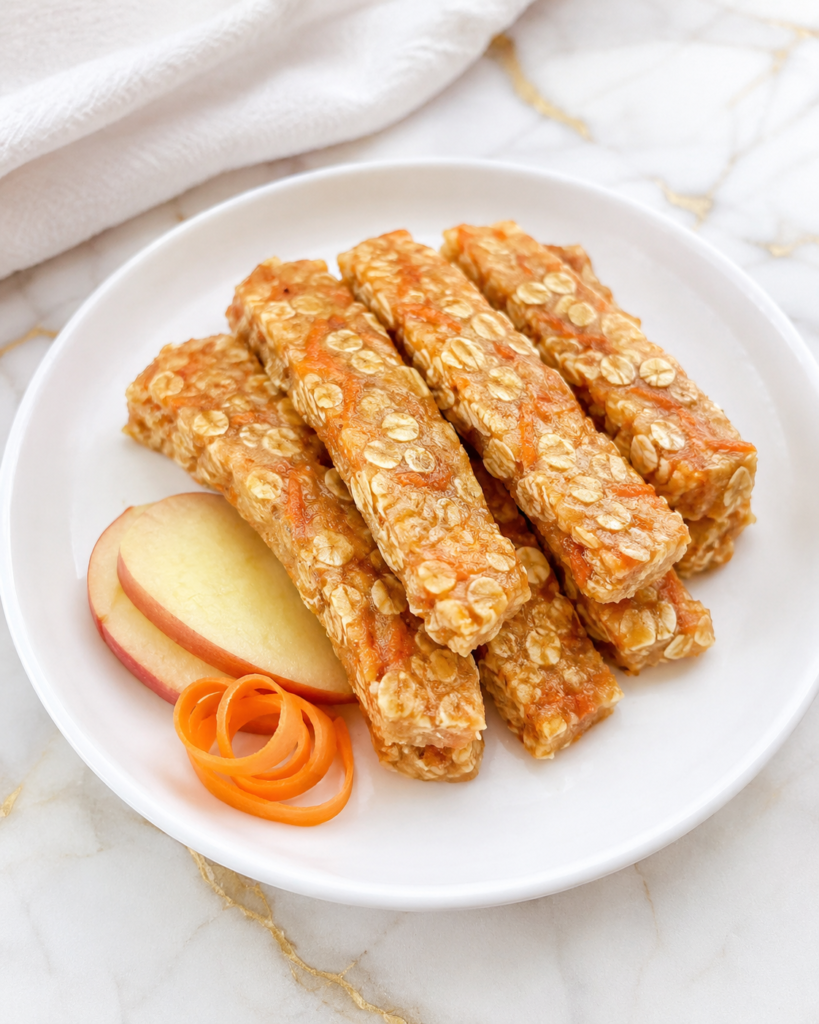
The chew experience is firmer than a soft treat ball but gentler than a hard biscuit. The finished pieces should be chewy and flexible, giving dogs a little texture without becoming sharp or brittle.
For home cooks, this recipe is approachable and steady. The mixture comes together in one bowl, and the chews can be shaped by hand or pressed into simple strips.
Dogs often enjoy the mild sweetness of apple and carrot. The oats give each chew a hearty texture, while the slow bake helps the pieces hold their shape.
This recipe also supports careful portioning. You can make short strips for larger dogs or small flattened bites for smaller dogs who need more manageable pieces.
Ingredients
- 1/2 cup finely grated apple
- 1/2 cup finely grated carrot
- 1 large egg
- 1 tablespoon unsweetened applesauce
- 1 cup old-fashioned rolled oats
- 1/2 cup oat flour
- 1 tablespoon water
Tools You’ll Need
- Cutting board
- Sharp knife
- Apple corer or small spoon
- Box grater
- Measuring cups
- Measuring spoons
- Mixing bowl
- Wooden spoon or silicone spatula
- Clean kitchen towel
- Baking sheet
- Parchment paper
- Cooling rack
- Airtight storage container
- Freezer-safe bag or container
Pro Tips
Remove the apple stem, core, and seeds before grating. Only the prepared apple flesh should go into the recipe, so check the pieces carefully.
Grate the apple and carrot finely so the mixture holds together well. Larger pieces can make shaping harder and may lead to uneven baking.
Squeeze the grated apple gently if it seems very wet. Too much moisture can make the chews soft in the center and harder to dry properly.
Shape the chews evenly so they bake at the same pace. Thin strips will become firmer, while thicker pieces may stay softer and need more time.
Let the chews cool completely before serving or storing. They continue to firm slightly as they cool, and storing them warm can create moisture inside the container.
Check the finished texture before offering one to your dog. The chews should be firm and bendable, not sharp, overly hard, or crumbly.
How Long This Recipe Takes
Preparation usually takes about 15 to 20 minutes. Most of that time is spent washing, coring, grating, measuring, and mixing the ingredients.
Baking usually takes about 35 to 45 minutes. The exact time depends on the thickness of the chews and how firm you want the finished texture.
The full recipe takes about 1 hour to 1 hour and 15 minutes when cooling time is included. It is a steady recipe that works well when you can check the oven near the end of baking.
The pacing is calm and manageable. Once the mixture is shaped and in the oven, the remaining time is mostly hands-off while the chews firm and dry.
Make-Ahead Tips
This recipe works well for make-ahead preparation because the chews can be baked, cooled, and portioned for later. Once fully cooled, divide them into small groups based on how often you plan to serve them.
For short-term use, store the chews in an airtight container in the refrigerator. Refrigeration is helpful because apple and carrot add moisture to the finished treats.
For longer storage, freeze the chews in small portions. Place a few pieces in each freezer-safe bag or container so you can thaw only what you need.
Portioning before storage keeps serving simple. Smaller groups are easier to rotate, check for freshness, and fit into your dog’s routine.
Thaw frozen chews in the refrigerator rather than on the counter. Once thawed, check the smell, texture, and appearance before serving, and keep thawed chews refrigerated.
Step-by-Step Instructions
Step 1: Prepare the Baking Sheet
Preheat the oven to 325°F. Line a baking sheet with parchment paper so the chews release easily after baking.
Set the prepared baking sheet near your work area. This makes it easier to transfer the shaped chews once the mixture is ready.
Step 2: Prepare the Apple
Wash the apple thoroughly and place it on a cutting board. Remove the stem, core, and seeds completely before grating.
Use a box grater to finely grate enough apple to measure 1/2 cup. If the grated apple seems very wet, press it gently in a clean kitchen towel.
Step 3: Prepare the Carrot
Wash the carrot well and peel it if preferred. Grate it finely until you have 1/2 cup.
Fine carrot pieces blend more evenly with the oats and apple. This helps the chews hold together and bake with a steadier texture.
Step 4: Mix the Wet Ingredients
Add the grated apple, grated carrot, egg, and unsweetened applesauce to a mixing bowl. Stir slowly until the ingredients are evenly combined.
The mixture should look moist and lightly textured. Make sure the egg is fully incorporated before adding the dry ingredients.
Step 5: Add the Rolled Oats
Add 1 cup of old-fashioned rolled oats to the bowl. Stir until the oats are evenly coated with the apple, carrot, and egg mixture.
Let the mixture rest for a few minutes. This gives the oats time to absorb some moisture and makes the mixture easier to shape.
Step 6: Add the Oat Flour
Sprinkle 1/2 cup of oat flour over the mixture. Stir until the oat flour is fully blended and the mixture begins to hold together.
The mixture should feel thick and slightly sticky. If it seems too loose, let it rest a little longer before adding more oat flour.
Step 7: Check the Texture
Press a small amount of mixture between your fingers. It should hold together without feeling runny or falling apart.
If the mixture feels too dry, add water a few drops at a time. If it feels too wet, add a small pinch of oat flour and stir again.
Step 8: Shape the Chews
Scoop small portions of the mixture onto the parchment-lined baking sheet. Shape each portion into a short strip, oval, or flattened bite.
Keep the chews even in thickness. This helps them bake consistently and makes the finished texture easier to manage.
Step 9: Bake the Chews
Bake the chews for 35 to 45 minutes. Turn them once halfway through baking so both sides firm evenly.
Check the texture near the end of baking. The chews should feel firm on the outside and lightly dry, but they should not become sharp or brittle.
Step 10: Cool Completely
Transfer the baked chews to a cooling rack. Let them cool fully before offering one to your dog or placing them in storage.
The chews will firm a little more as they cool. Check thicker pieces carefully to make sure no warmth remains inside.
Step 11: Portion and Store
Sort the cooled chews by size if needed. Smaller pieces can be used for smaller dogs, while longer strips may be saved for larger dogs who chew more slowly.
Place the chews in an airtight container for refrigeration or in freezer-safe bags for longer storage. Label the container with the recipe name and date so freshness is easy to track.
Nutritional Notes for Dogs
Apple Carrot and Oat Dog Chews are made with simple ingredients that create a firm, gently chewy homemade snack. Apple, carrot, oats, egg, applesauce, oat flour, and water work together to form a mixture that can be shaped and baked into portion-friendly chews.
Apple adds mild fruit flavor and moisture to the recipe. It should always be prepared carefully by removing the stem, core, and seeds before grating.
Carrot brings natural sweetness and a little texture when finely grated. Small pieces blend more evenly into the mixture and help the chews hold together during baking.
Old-fashioned rolled oats give the chews structure and a hearty texture. They absorb moisture from the apple, carrot, egg, and applesauce, helping the mixture become easier to shape.
Oat flour helps firm the mixture and supports a steadier baked texture. It also helps prevent the chews from falling apart once they are cooled and stored.
The egg helps bind the ingredients together during baking. Unsweetened applesauce adds a little extra moisture, which keeps the mixture workable without needing much added water.
These chews are best served as a complementary homemade snack. They are not meant to replace balanced meals, and portions should stay modest within your dog’s regular feeding routine.
Moderation is important because chewy treats can feel more substantial than small soft bites. Serve thoughtfully, observe your dog’s chewing style, and keep regular meals as the main part of the day.
Ingredient Swaps and Variations
Dairy-free: This recipe is naturally dairy-free as written because it does not include milk, yogurt, butter, or cheese. Keep it dairy-free by avoiding creamy coatings or dairy-based add-ins.
Grain-free: Replace the rolled oats and oat flour with finely ground unsweetened coconut flakes and a small amount of chickpea flour, adding slowly until the mixture holds together. The texture will be different and may be more delicate, so shape the chews gently.
Flavor variation: Replace the unsweetened applesauce with plain pumpkin puree for a slightly earthier flavor. Add it gradually so the mixture does not become too wet.
Texture adjustment: Shape the chews thinner for a firmer, drier chew or slightly thicker for a softer, more flexible texture. Watch the baking time closely so they do not become brittle.
Mini version: Shape the mixture into tiny flattened bites instead of longer strips. This works well for small dogs, quick rewards, or dogs who need smaller portions.
How to Serve Safely
Serve these chews in portions that match your dog’s size, chewing habits, and regular feeding routine. Small dogs should receive small pieces, while medium and large dogs may be able to manage slightly longer strips.
Offer one small chew the first time your dog tries this recipe. This gives you time to observe how your dog handles the texture, size, and apple-carrot mixture.
Supervise your dog while eating any chew-style treat. Even homemade chews should be watched so you can make sure your dog is chewing comfortably and not trying to swallow large pieces.
These chews are suitable for occasional snack moments, quiet enrichment, or calm rewards. They work best when your dog is settled and you can keep an eye on the chewing process.
Moderation should stay central when serving them. Apple, carrot, and oats add substance to the day, so the chews should remain a small part of your dog’s overall routine.
Check the texture before offering a piece. The chew should be firm and bendable, not sharp, brittle, or too hard for your dog to manage comfortably.
Common Mistakes to Avoid
Leaving apple seeds or core pieces in the mixture is an important preparation mistake. Wash the apple well, remove the stem, core, and seeds completely, then grate only the prepared apple flesh.
Grating the apple or carrot too coarsely can make the chews harder to shape. Fine pieces blend more smoothly with the oats and help the mixture bake with a consistent texture.
Skipping the rest time after adding oats can make the mixture seem wetter than it really is. Let the oats absorb moisture for a few minutes before deciding whether to adjust the texture.
Adding too much water can make the mixture loose and difficult to shape. Add only a few drops at a time, and stir well before adding more.
Shaping the chews unevenly can lead to inconsistent baking. Keep the pieces close in size and thickness so they firm at the same pace.
Overbaking can make the chews too hard or brittle. Check them near the end of baking and remove them when they feel firm but still safe and flexible.
Storing the chews before they are fully cool can trap steam. Let them cool completely on a rack before placing them in a container.
Storage and Freshness Tips
Room-temperature storage is not the best choice for these chews unless they are baked very dry and used quickly. Because apple and carrot add moisture, refrigeration is the safer everyday storage option.
For short-term storage, place fully cooled chews in an airtight container and keep them in the refrigerator. Use them within 4 to 5 days for the best texture and freshness.
If the chews are softer or thicker, use them sooner. Softer chews hold more moisture, which can shorten their freshness window.
For longer storage, freeze the chews in small portions. Place a few pieces in each freezer-safe bag or container so you can thaw only what you need.
Frozen chews are best used within 2 to 3 months for quality. Label the container with the recipe name and date so older batches can be used first.
Thaw frozen chews in the refrigerator rather than on the counter. Once thawed, keep them chilled and use them within a few days.
Discard chews that smell sour, show mold, feel slimy, or become unusually wet. Homemade chews do not contain preservatives, so careful storage and freshness checks are important.
FAQs
Can I use any kind of apple?
Yes, many common apple varieties can work as long as the apple is fresh, washed, and prepared carefully. Remove the stem, core, and seeds before grating it into the mixture.
Do I need to peel the apple?
Peeling is optional if the apple is washed well. If your dog prefers a smoother texture, peeling can make the finished chews a little softer.
Can I use quick oats instead of rolled oats?
Yes, quick oats can be used if that is what you have. They may create a softer texture and blend into the mixture more smoothly.
Can I make these chews without egg?
You can try replacing the egg with extra unsweetened applesauce or plain pumpkin puree. The chews may be softer and more delicate after baking.
How do I make the chews firmer?
Shape the chews thinner and bake them a little longer while watching closely. They should become firm and dry on the surface without turning sharp or brittle.
Are these chews meant to replace meals?
No, these chews are intended as a complementary homemade snack. They should be served in moderation alongside your dog’s regular balanced feeding routine.
How many chews can I give my dog?
The right amount depends on your dog’s size, activity level, chewing habits, and regular diet. Start with one small chew and keep servings occasional because oats and produce are filling.
A Gentle Apple Carrot Chew for Quiet Moments
Apple Carrot and Oat Dog Chews are a simple homemade snack with familiar ingredients, a steady texture, and an easy-to-portion shape. With careful apple preparation, fine grating, gentle baking, complete cooling, and safe storage, they can become a calm treat to keep ready for occasional everyday moments with your dog.